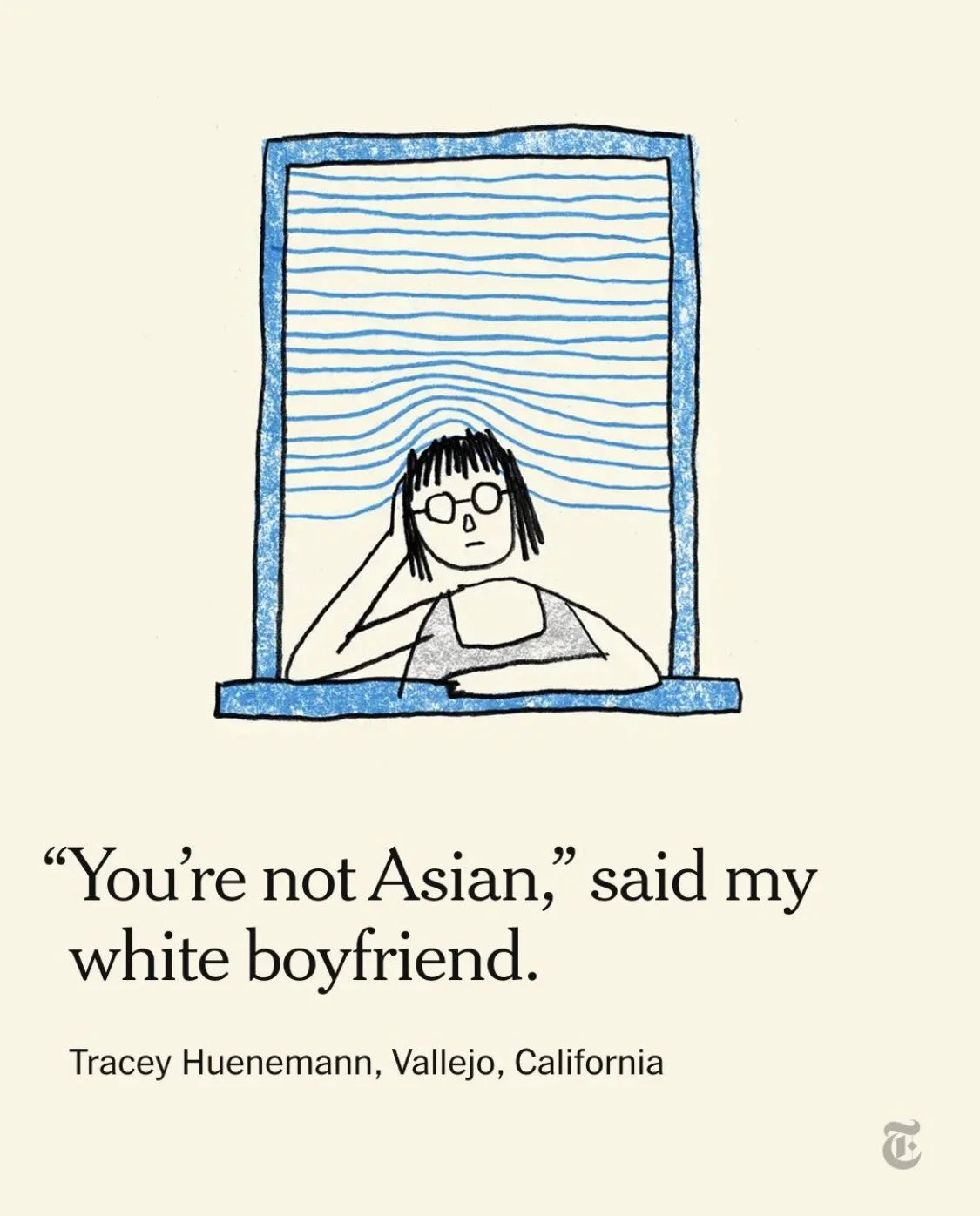
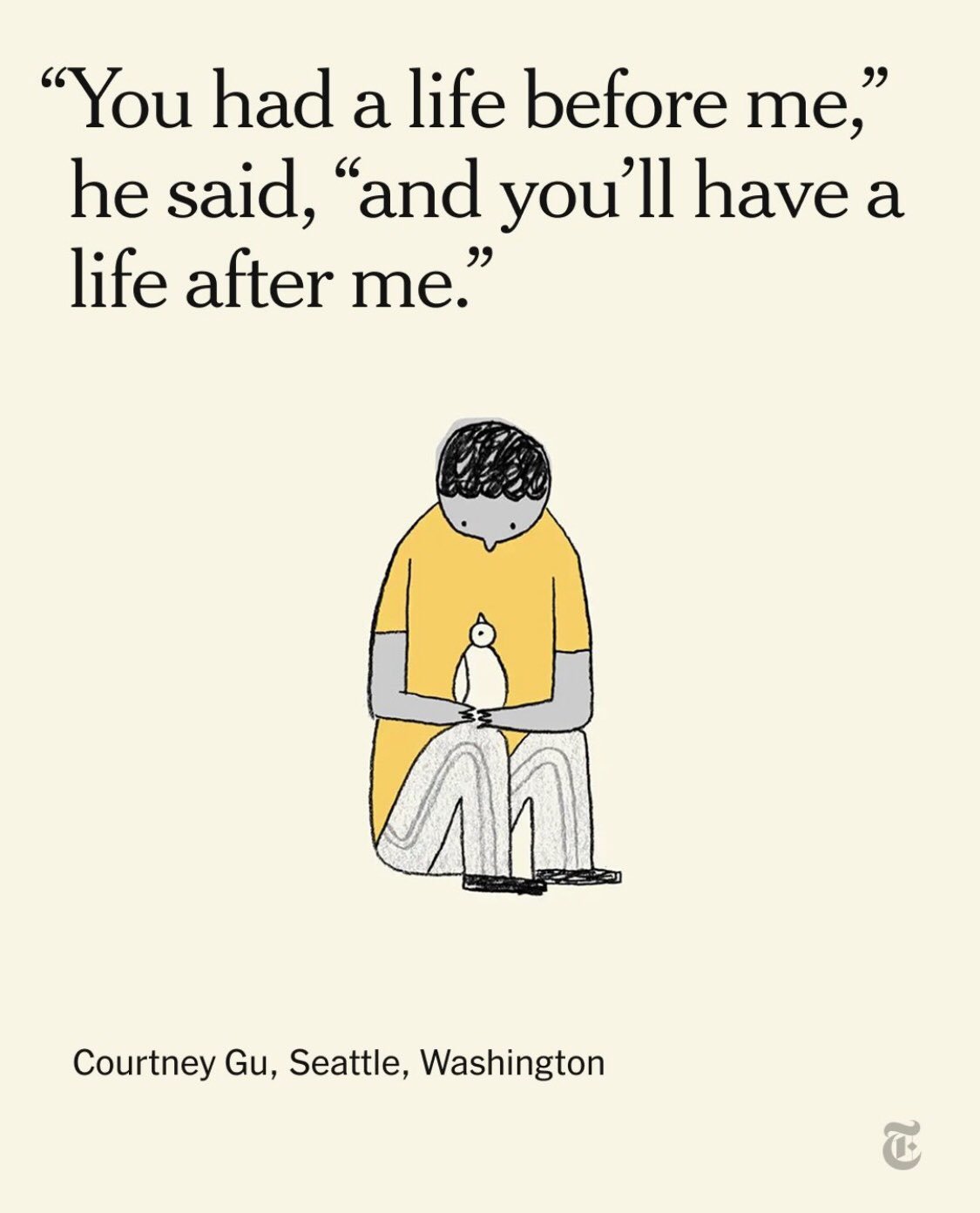
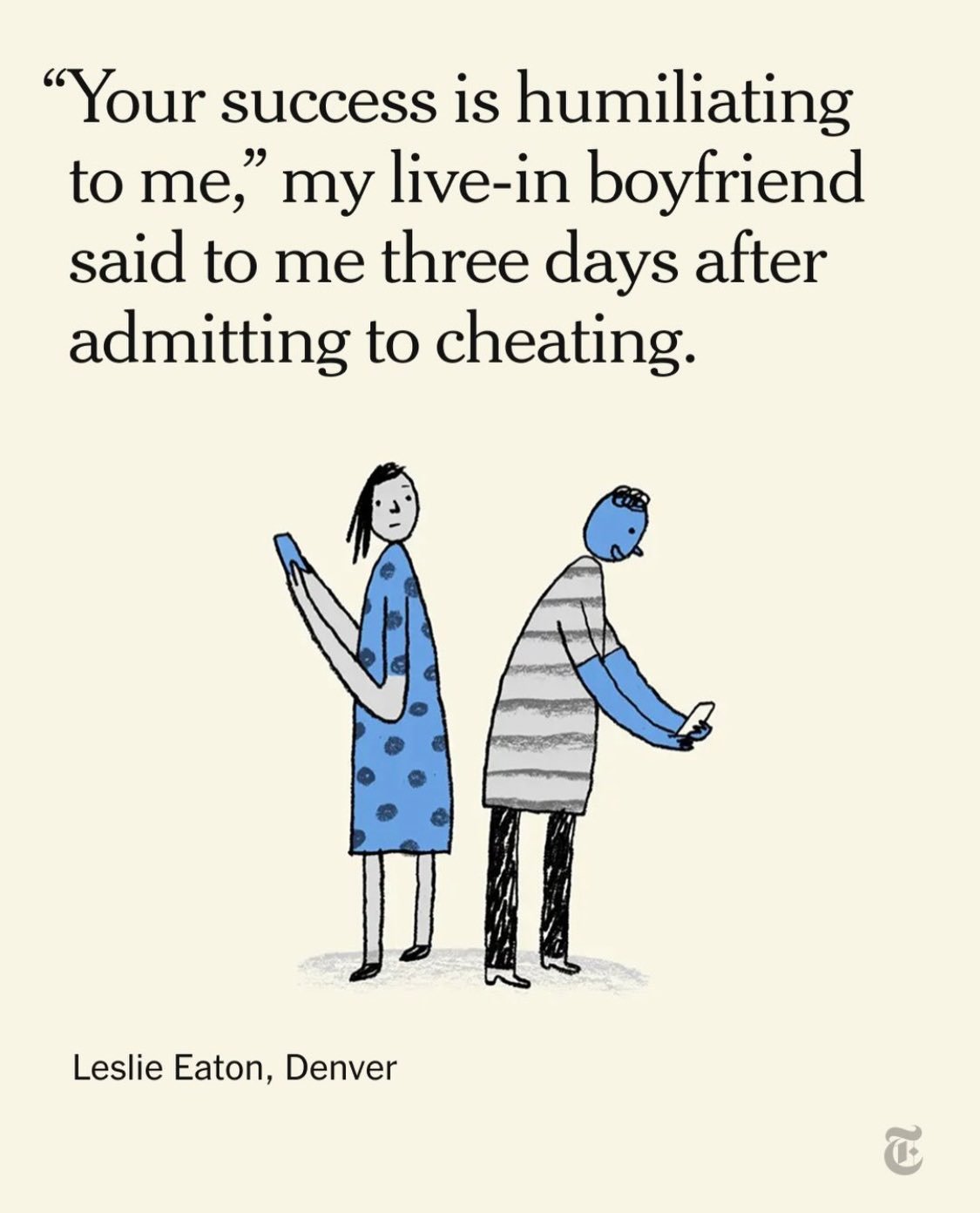
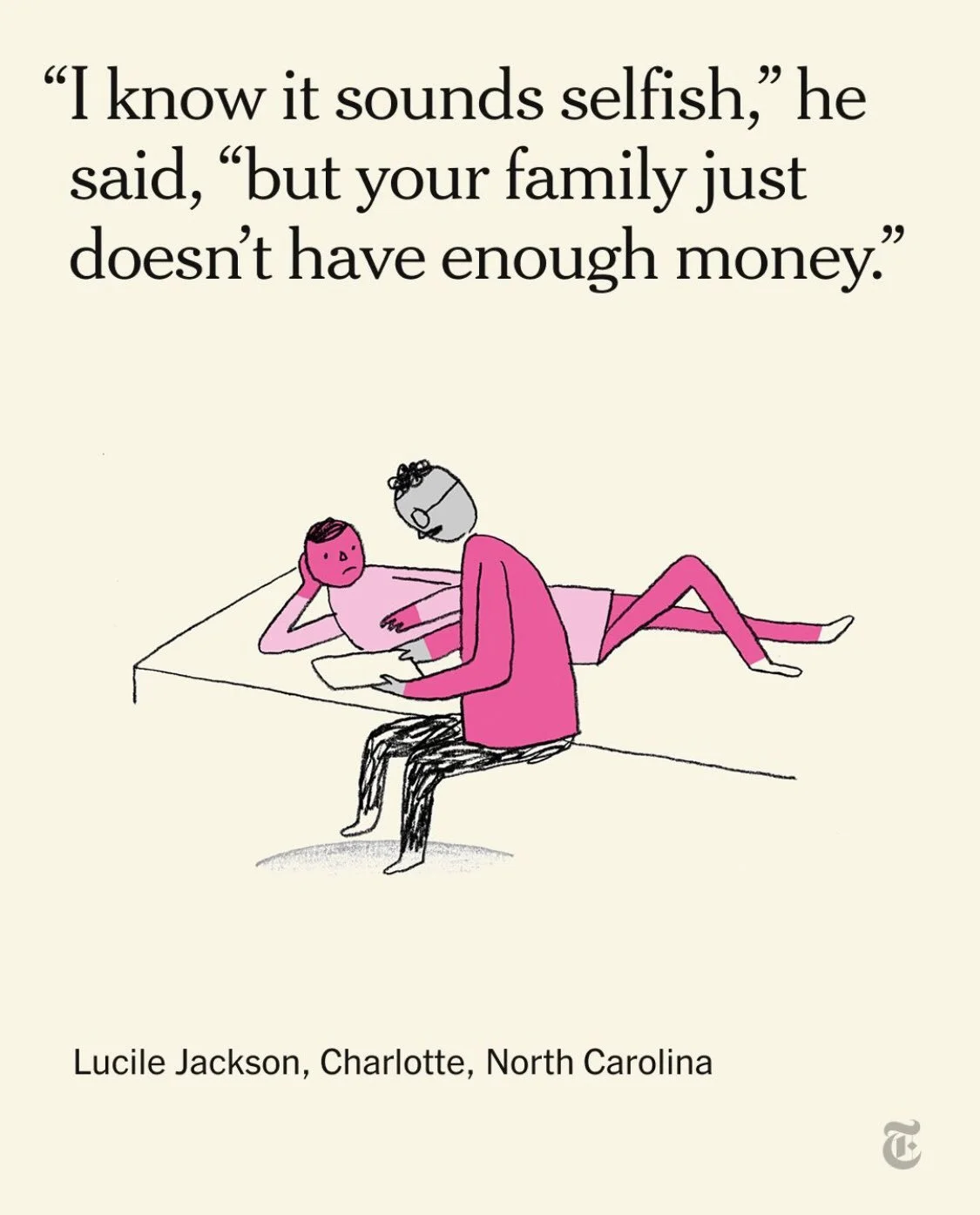
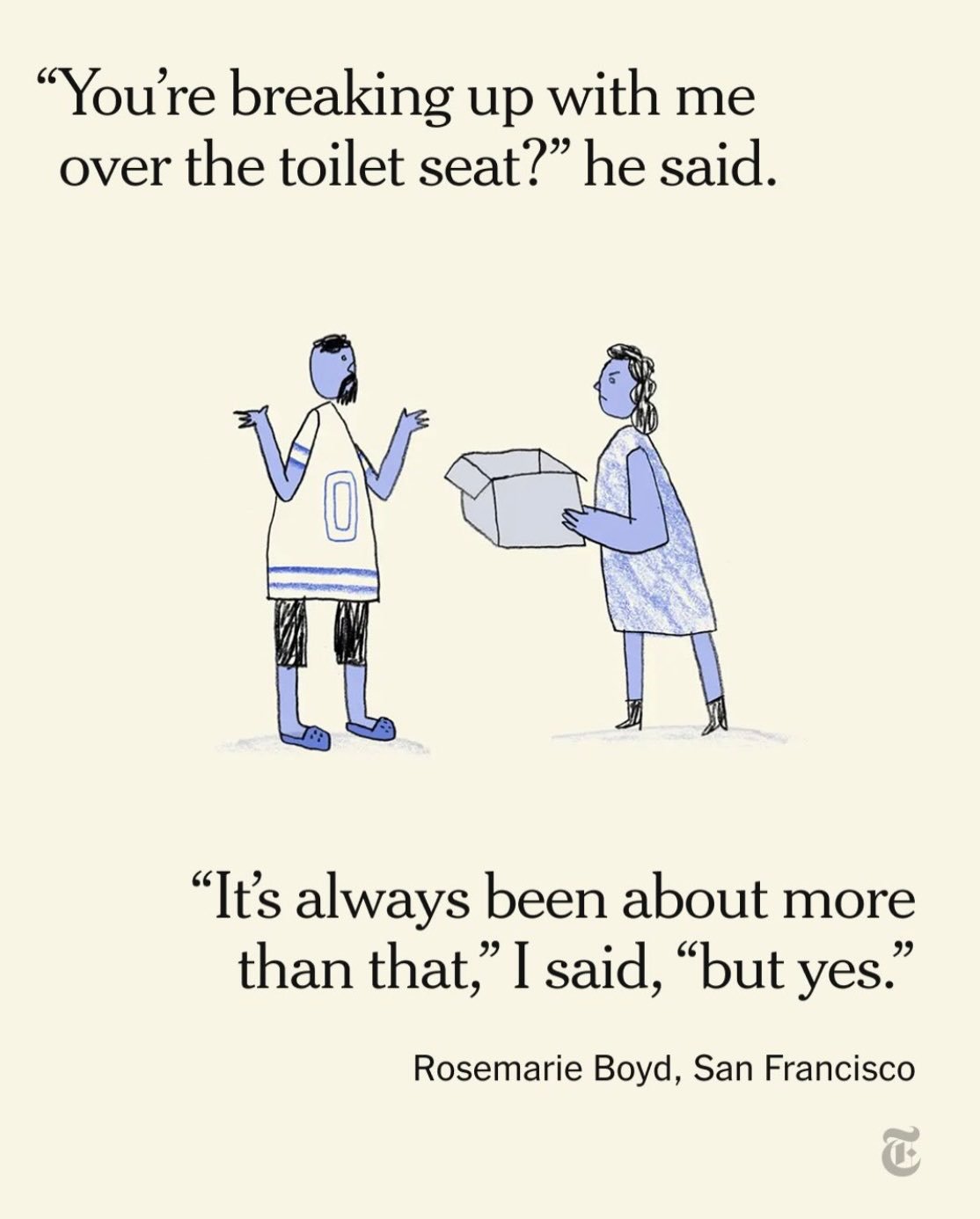
Brian Rea illustrates 52 Break-Up Lines for The New York Times, Modern Love
Spring has a habit of making everything feel possible again. Light stretches further into the evening, windows open, and with it comes that quiet audit of our lives, including who we’re sharing them with. If winter is for hibernation, spring is for decisions. And, as it turns out, a surprising number of those decisions end in breakups.
The New York Times Modern Love feature, “The 52 Best Breakup Lines (Said in Real Life)”, a crowdsourced collection of parting words submitted from around the world illustrates this story. Nearly 800 responses were sifted down to 52, funny, brutal, oddly poetic, and sometimes unintentionally profound.
Illustrator Brian Rea has long been one of the defining visual voices of Modern Love, known for his ability to distill complex emotional states into simple, quietly affecting images. His work sits in that rare space between humour and melancholy, where a single line drawing can carry the weight of an entire relationship.
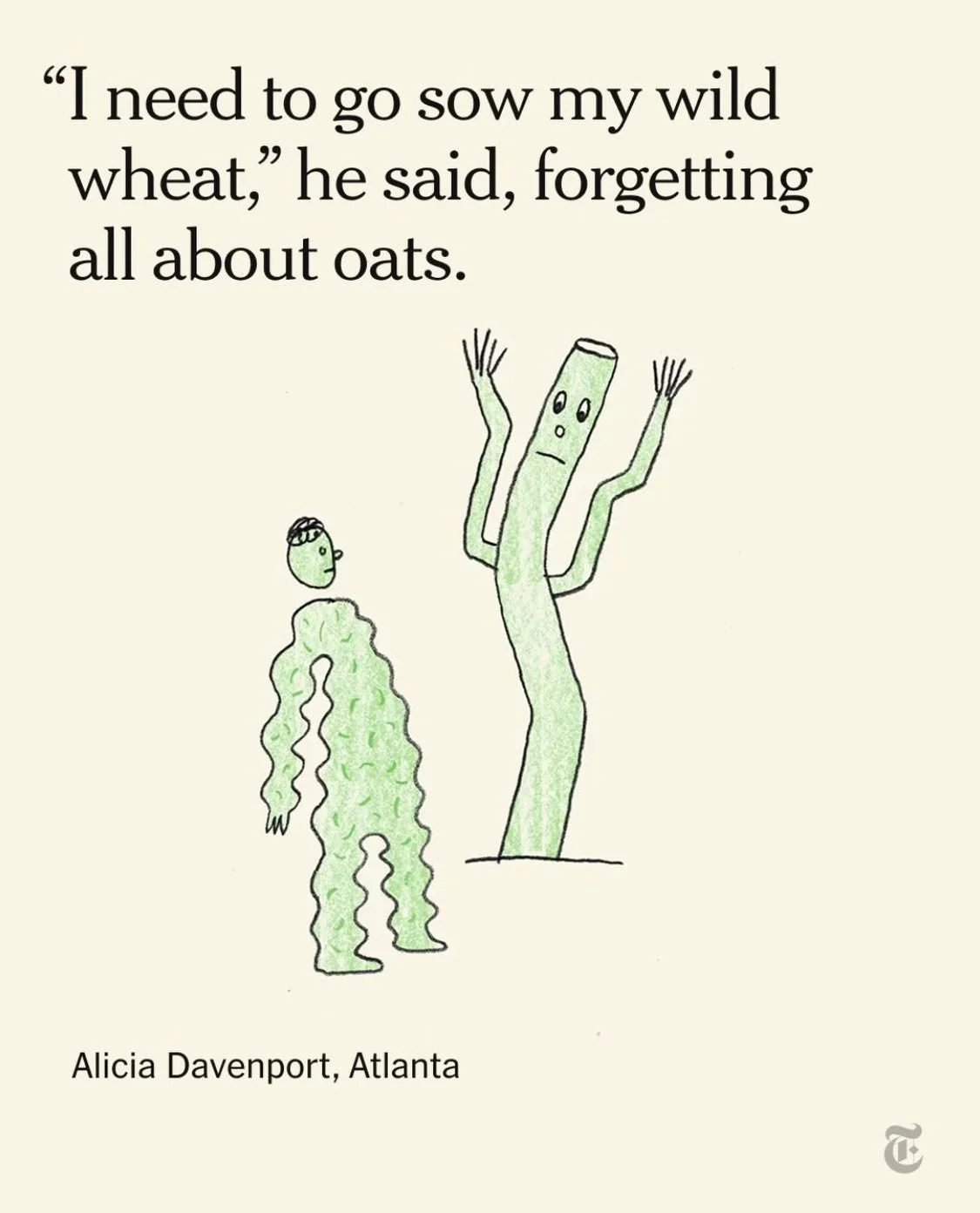
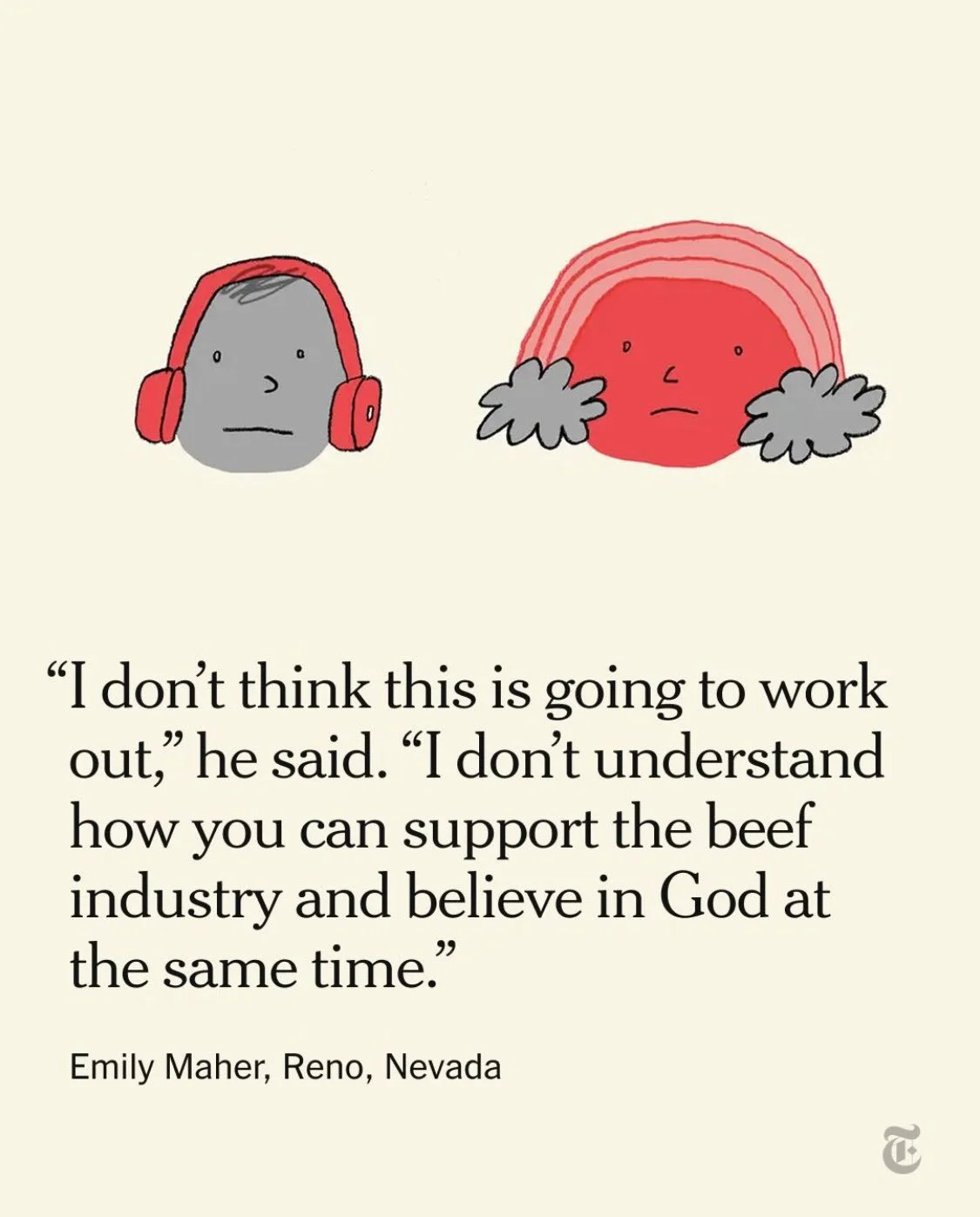
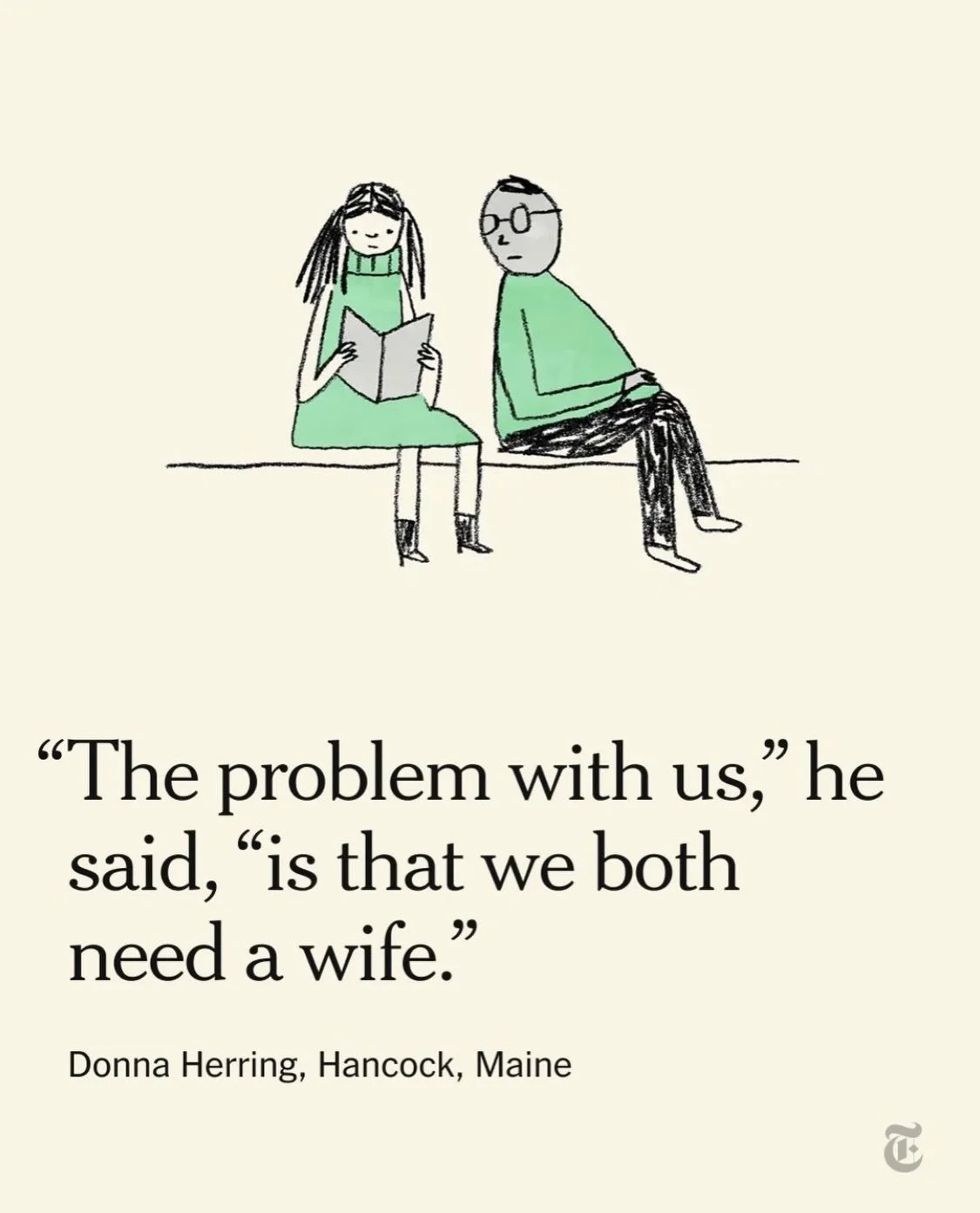
Here, Brian leans fully into that sensibility. His illustrations are deceptively simple, landing somewhere between a child’s sketchbook and a therapist’s notebook. The characters are loose, awkward, slightly off-balance, much like the people delivering (or receiving) these lines. There’s no melodrama, just quiet absurdity.
A man earnestly says he can’t reconcile belief in God with the beef industry. Another points out, with devastating clarity, that “we both need a wife.” Someone else offers the kindest possible exit, you had a life before me… and you’ll have one after. Then, of course, there’s the casually savage, your success is humiliating to me.
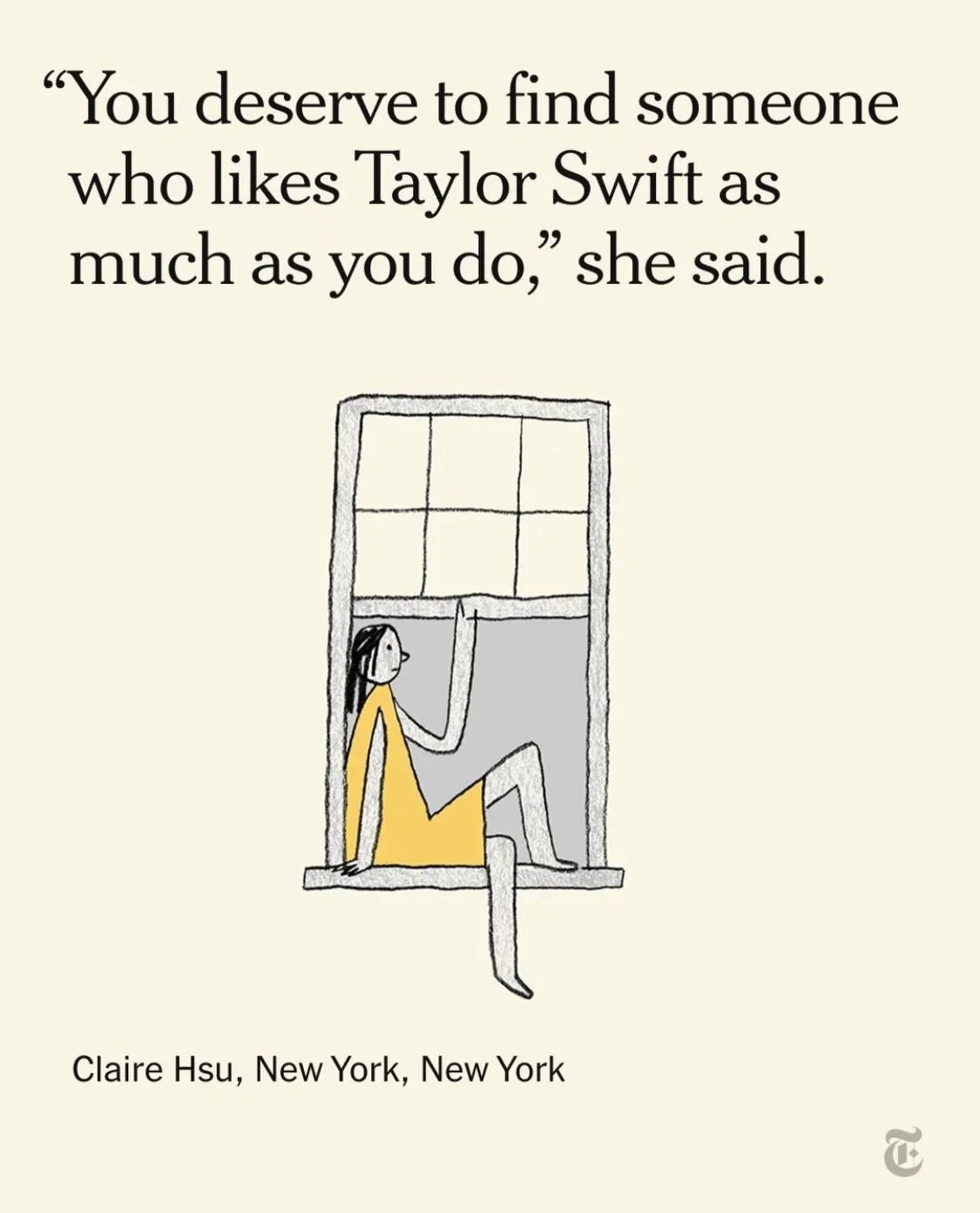
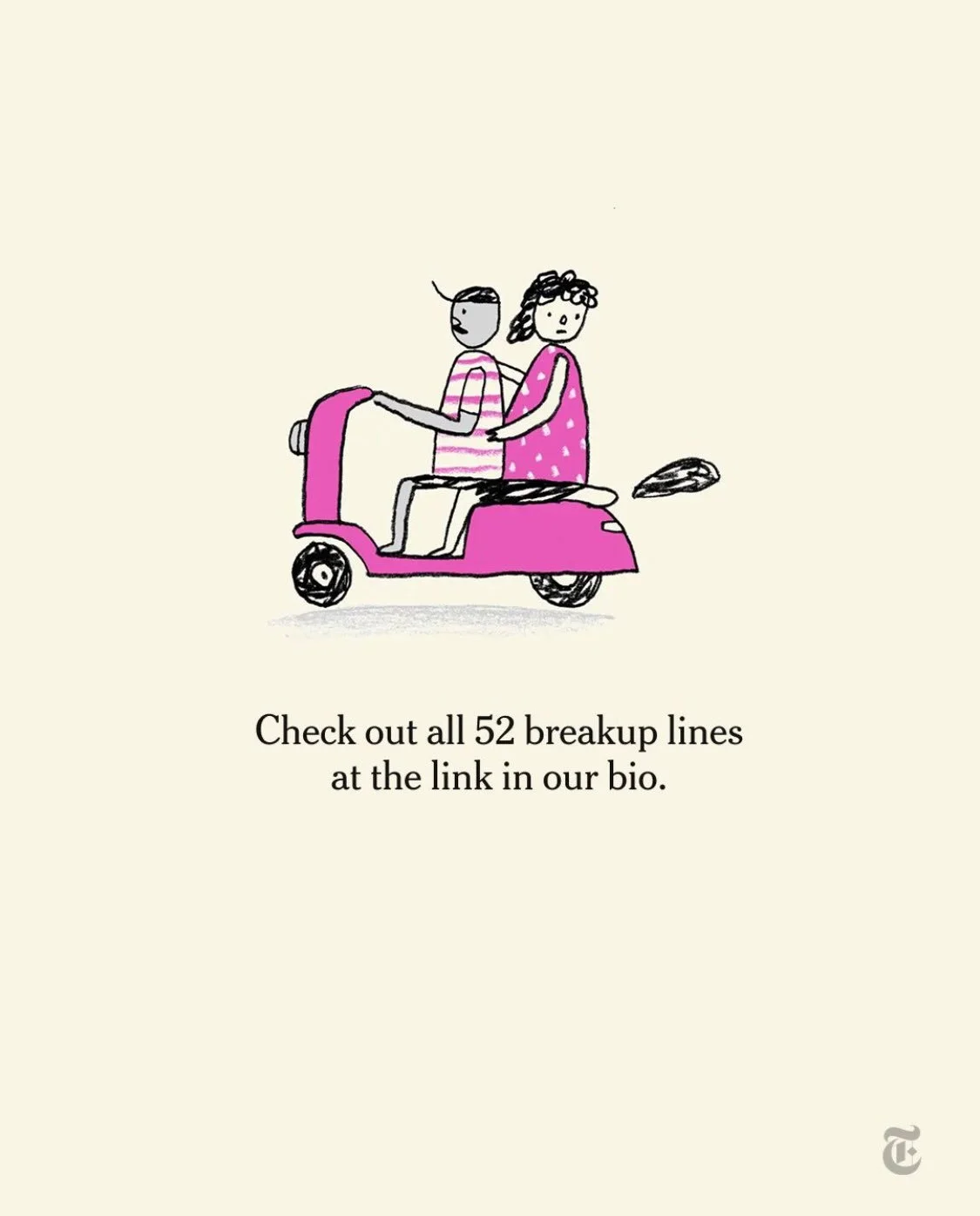
Brian’s genius is restraint. The drawings amplify the humour and emotion, sitting alongside the words and letting their weight, or ridiculousness, hang in the air. A cloud cries. A couple sits apart on a scooter. A figure stares out a window that feels a little too large. It’s observational humour at its most human, specific enough to feel real, abstract enough to feel universal.
The result is less about breakups and more about language, how people reach for meaning when something is ending. Some lines are defensive, some are poetic, some are just… baffling. But together, they form a kind of accidental anthropology of modern relationships.
Spring, then, isn’t just about new beginnings. It’s also about the strange, awkward, often unintentionally funny ways we bring things to a close.
And if nothing else, this collection proves one thing, there’s no such thing as a “good” breakup line, only memorable ones.