CARA: A New App by Artists, for Artists
In the ever-evolving landscape of social media, illustrators have long sought a dedicated space to share their work without the complications imposed by large platforms. Recently, a new app called CARA, created by the renowned artist-photographer Jingna Zhang, has emerged as a promising solution tailored specifically for the art community.
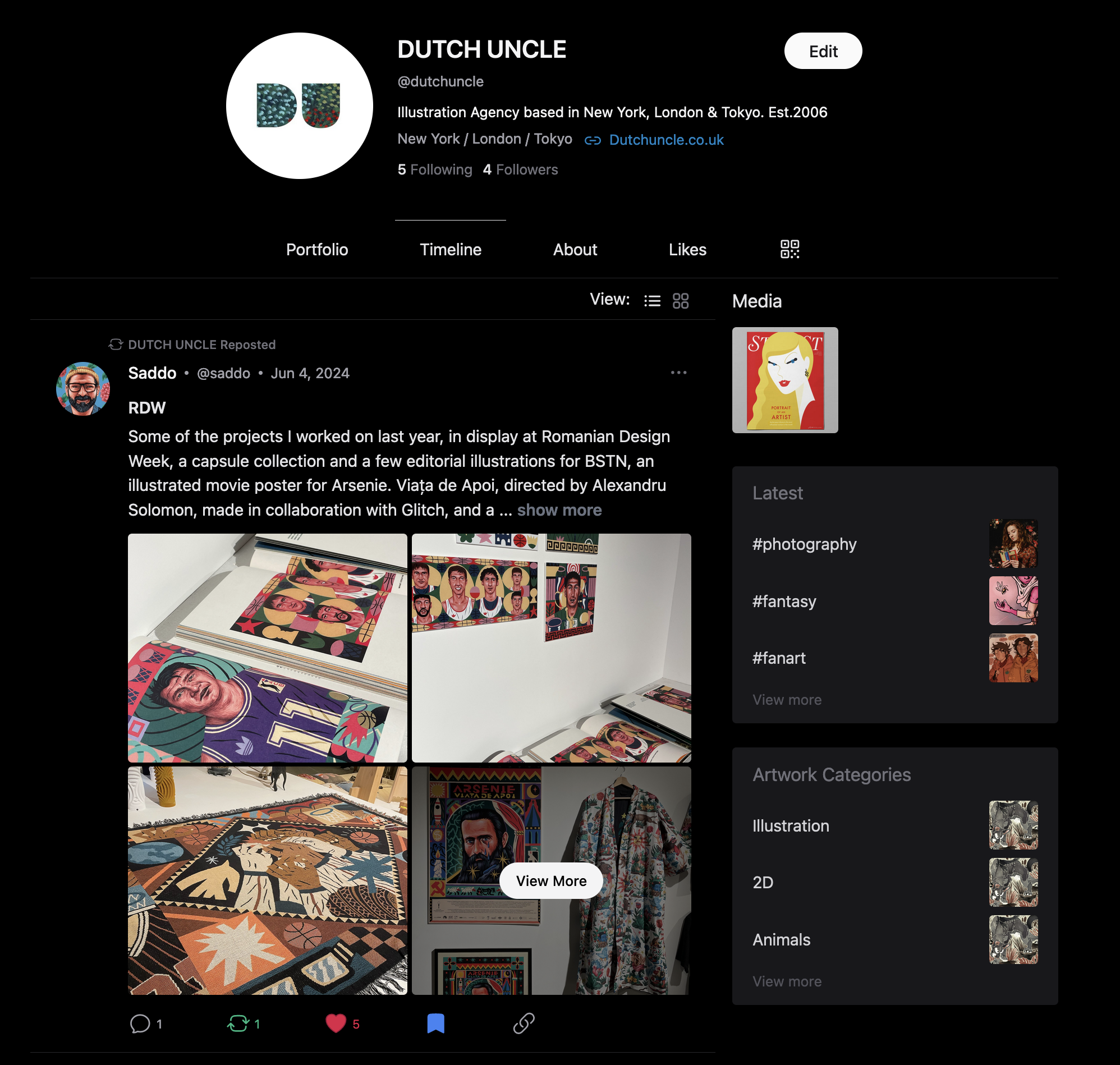
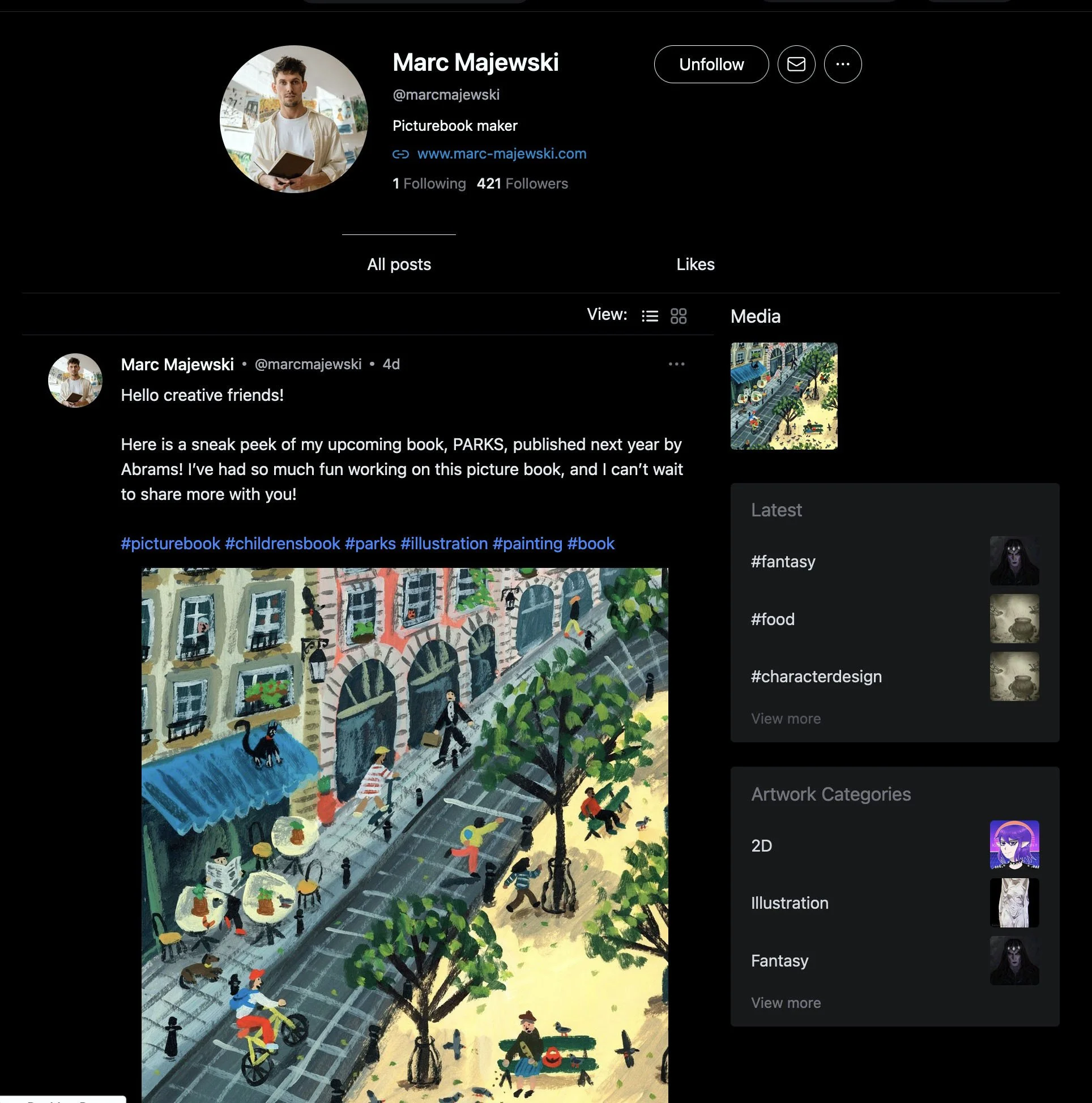
Artists Profiles on CARA

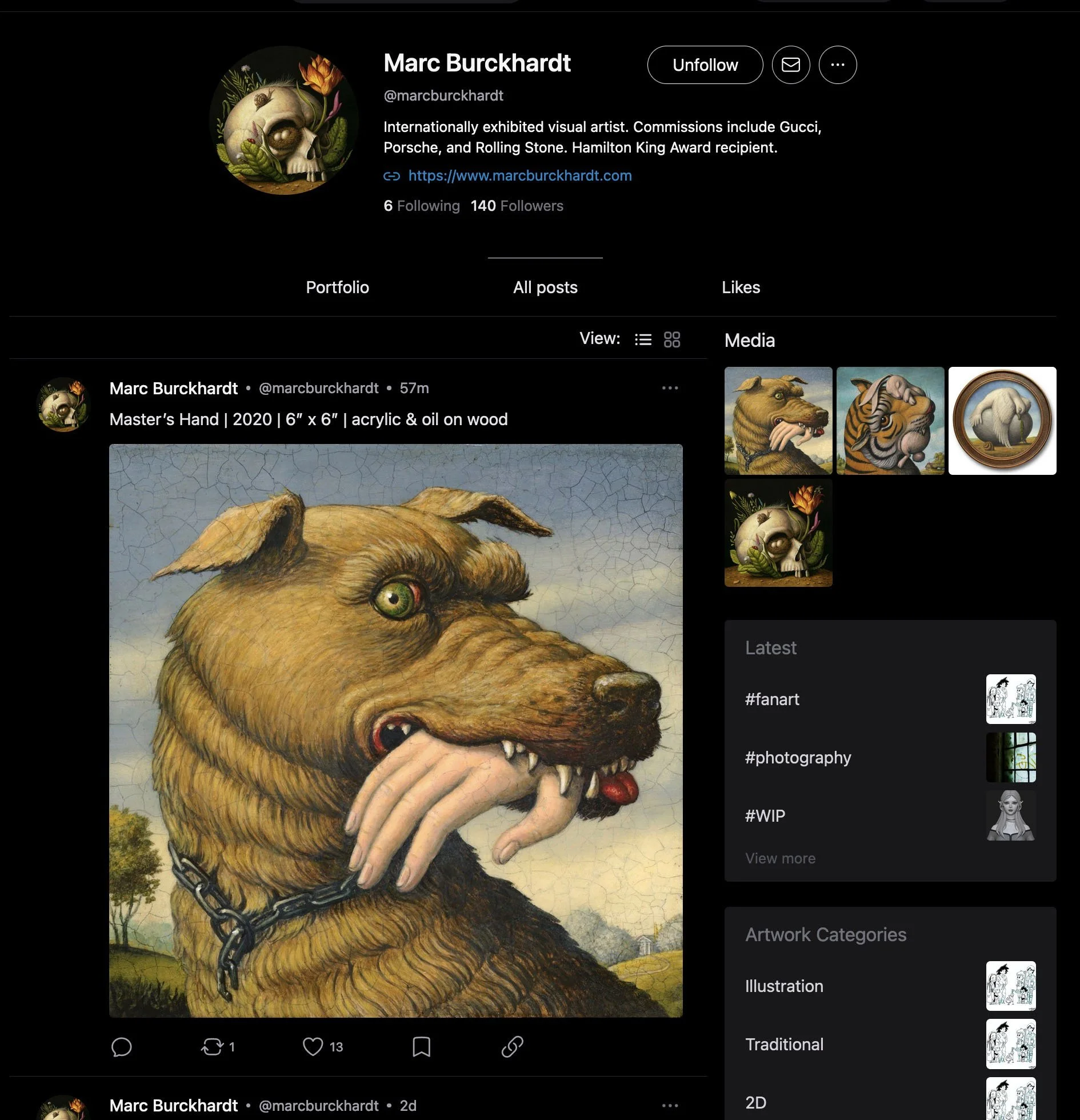

Key Points About CARA:
Creator Background: Jingna Zhang, also known as Z Motion online, is the brain behind CARA (cara.app). Her impressive resume includes features in Vogue, Elle, and Harper's Bazaar, and she was listed on Forbes 30 under 30 Asia in 2018.
Addressing Artist Concerns: Many artists have experienced a decline in engagement on Instagram and have grown frustrated with how their content is managed. Issues like non-chronological feeds, algorithm manipulation. Unauthorized AI scraping has recently become a major drive for illustrators to seek alternative platforms.
AI Scraping Issues: A significant grievance among artists is the unauthorized use of their work for AI training by platforms like Instagram. While opting out is possible, the process is cumbersome and only applies to future content, leaving past works vulnerable.
CARA’s Unique Features:
Protection Against AI Scraping: CARA stands out by partnering with Glaze, a program designed to protect artworks from being scraped for AI datasets. This feature is a major draw for artists concerned about unauthorized use of their creations.
Artist-Centric Design: The platform's design reflects the needs and preferences of artists, offering a space that feels more authentic and supportive compared to larger, profit-driven social media companies.
Initial Challenges:
Performance Issues: As CARA has grown rapidly, with its user base surpassing 650,000, the platform has experienced some technical issues, including slow performance and occasional crashes. These are attributed to its grassroots nature and the financial constraints of being funded primarily by Jingna herself.
Community Support: Users are encouraged to support the platform through donations, helping it cope with the increasing traffic and further development.
Future Prospects:
Expansion and Inclusivity: There is potential for CARA to open up to a broader range of users, including animators, photographers, and individuals seeking to share personal memories without the risk of AI scraping.
Subscription Model: An optional subscription model could be introduced, allowing users to support the platform financially while receiving recognition for their contributions.
Continued Use of Instagram: While many artists have started using CARA, they still maintain a presence on Instagram due to its vast reach. However, they are now starting to post "glazed" images to protect their content.


Conclusion:
CARA represents a significant step forward for artists seeking a dedicated, supportive, and protective platform. As it continues to grow and evolve, it has the potential to become a major hub for the art community, providing a much-needed alternative to mainstream social media. For now the usability and reach, even with Instagrams manipulated algorithm, lags behind its main competitor. It’s early days and CARA is still in Beta mode, but recently gaining some serious traction.
We in the art world watch with anticipation as CARA develops, hoping it will become a lasting solution for the unique needs of artists everywhere. Thank you Jingna Zhang for giving the world of illustration an alternative option.