The New Yorker: From Cover to Cover — A Century of Illustration
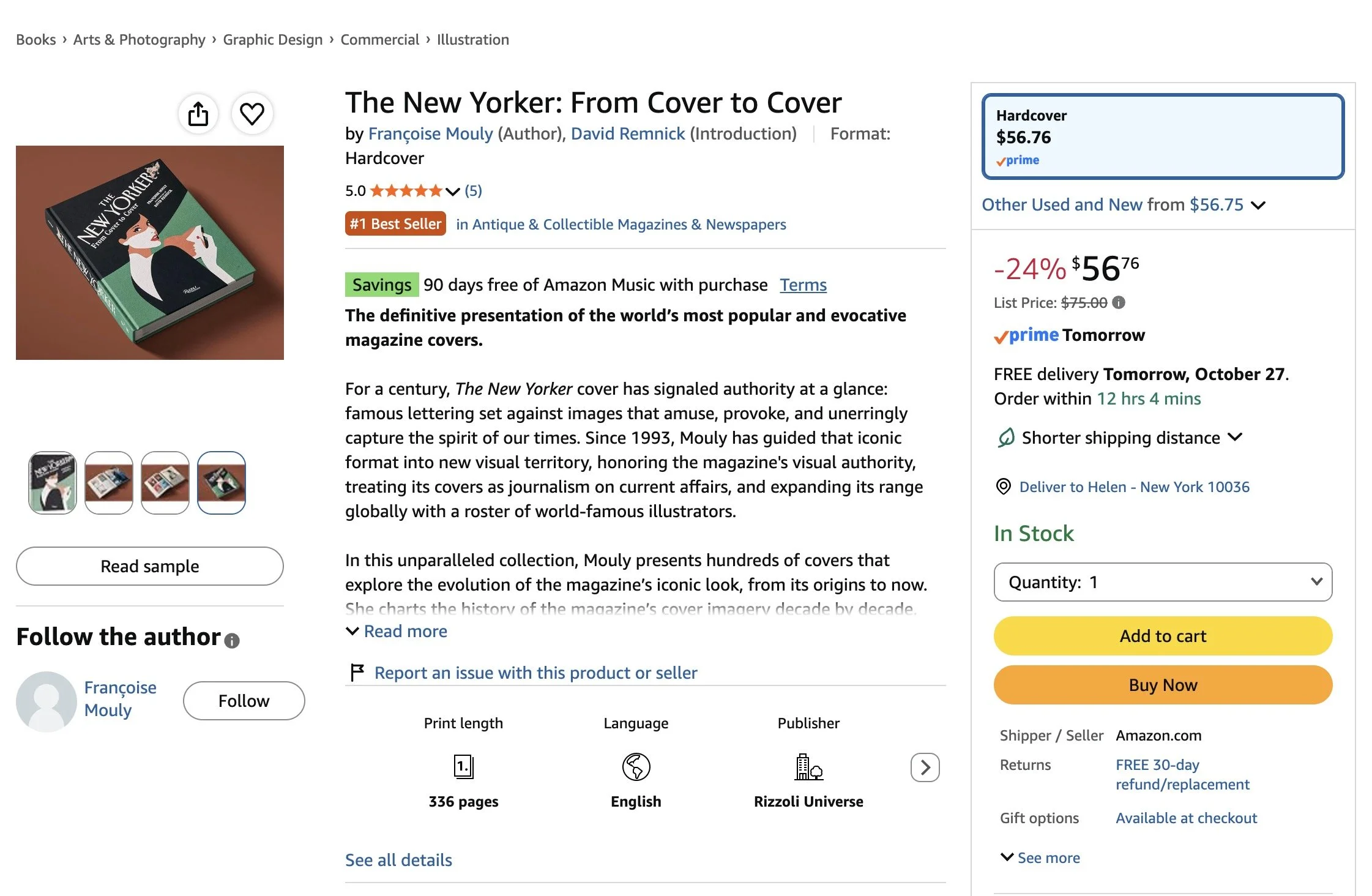
The New Yorker: From Cover to Cover
Written, edited and designed by: Françoise Mouly
Introduction by: David Remnick
Publisher: Rizzoli Universe
Publication: September 2026
336 pages | ISBN: 978-0-7893-4671-1
A century of The New Yorker, told through its covers
For illustrators, few publications carry the same significance as The New Yorker. Since 1925, its covers have brought together some of the most distinctive artists working in illustration, painting and graphic art. Now, The New Yorker: From Cover to Cover, written, edited and designed by the magazine's art editor Françoise Mouly, celebrates a century of this remarkable visual history.
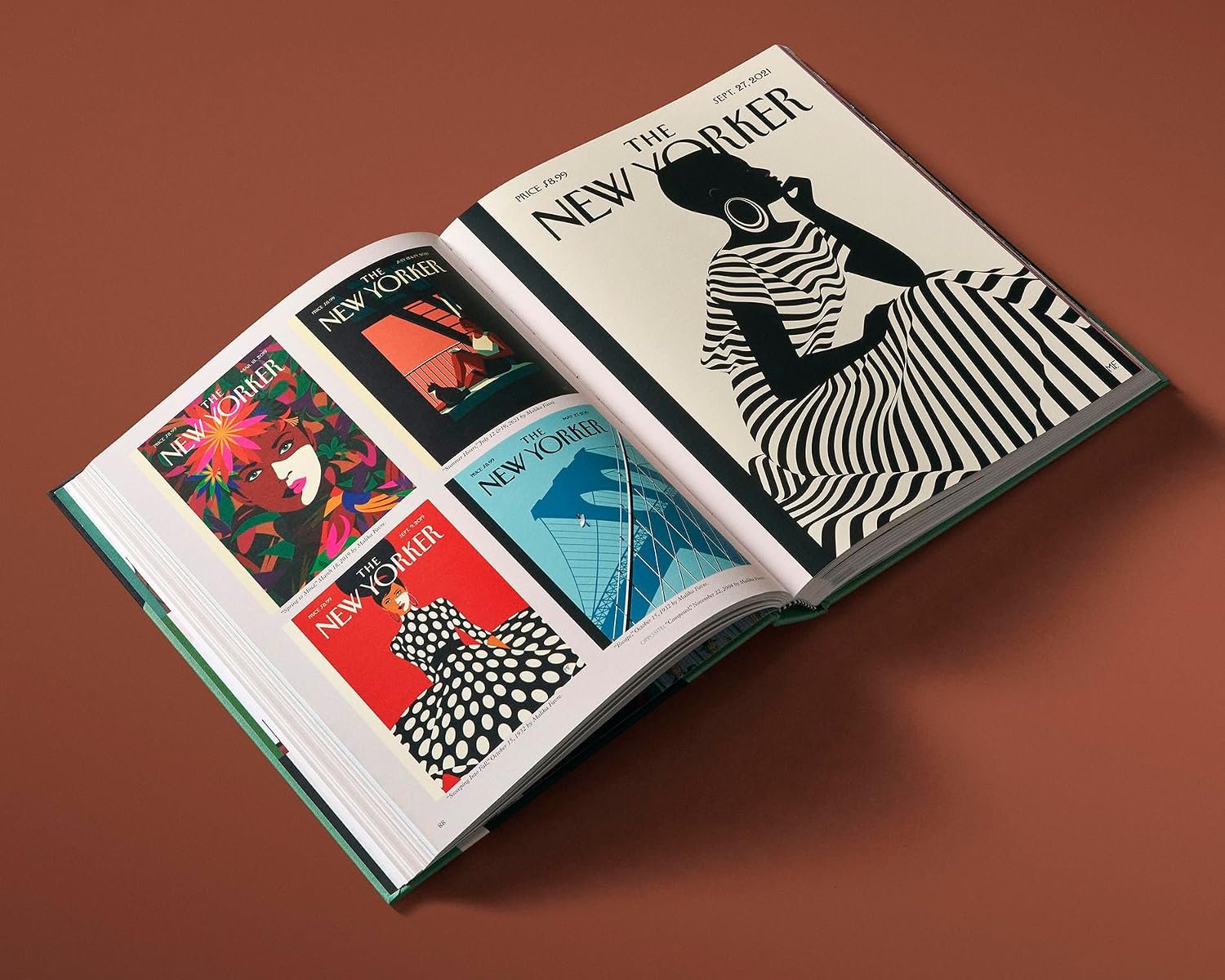
Published by Rizzoli Universe, the 336-page hardcover brings together hundreds of covers, tracing the evolution of the magazine's visual identity and the artists who have shaped it. The book includes an introduction by editor David Remnick and features dedicated profiles of artists including Saul Steinberg, Malika Favre, Diana Ejaita, Kadir Nelson, Roz Chast, Mark Ulriksen, Adrian Tomine and Art Spiegelman.
The cover illustration is by Malika Favre, whose artwork Page Turner originally appeared on the June 6 and 13, 2016, issue of The New Yorker.
For anyone interested in illustration, this is more than a collection of magazine covers. It is a record of how artists have interpreted the world around them, responding to politics, culture, everyday life and changing social attitudes through a single image.
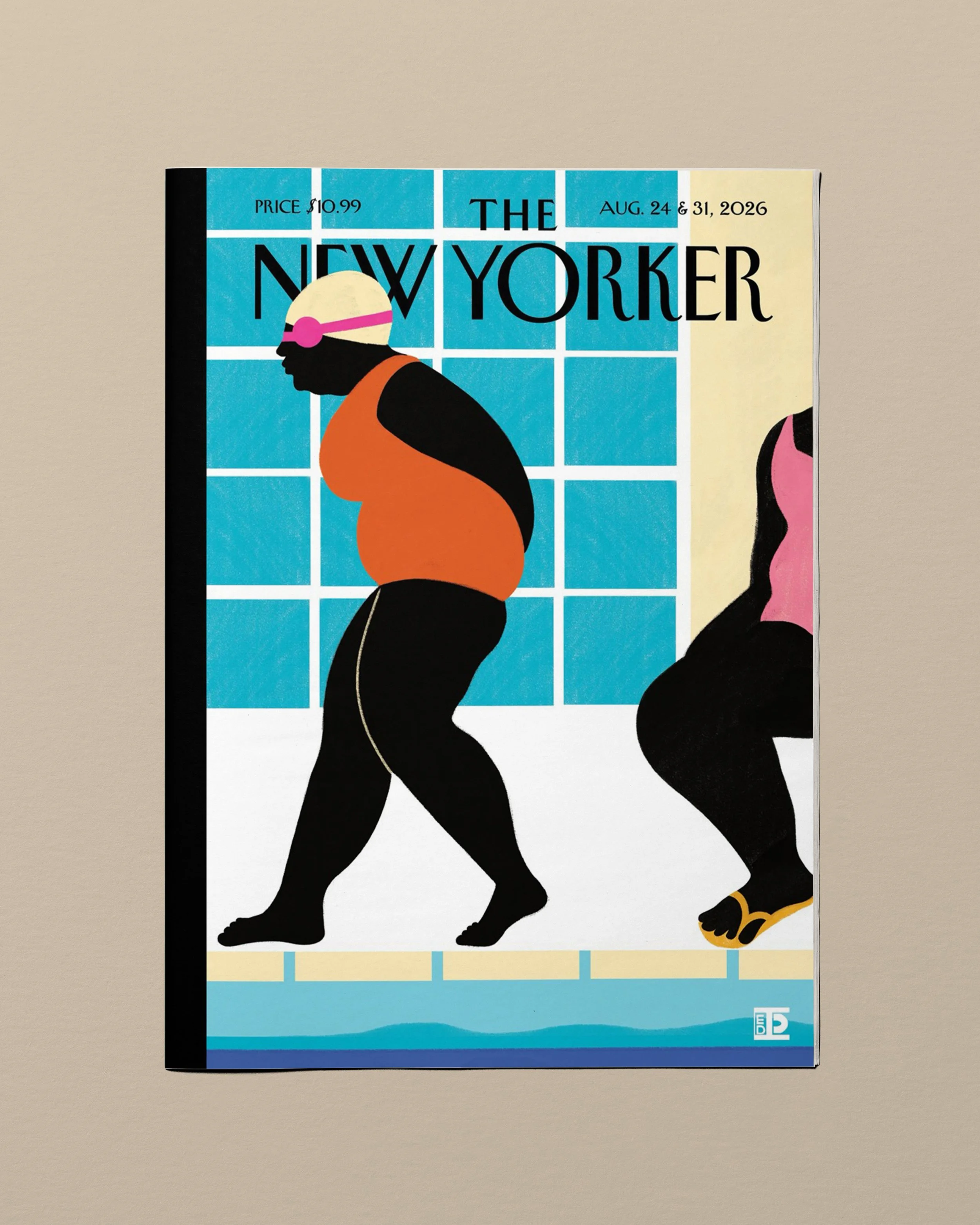
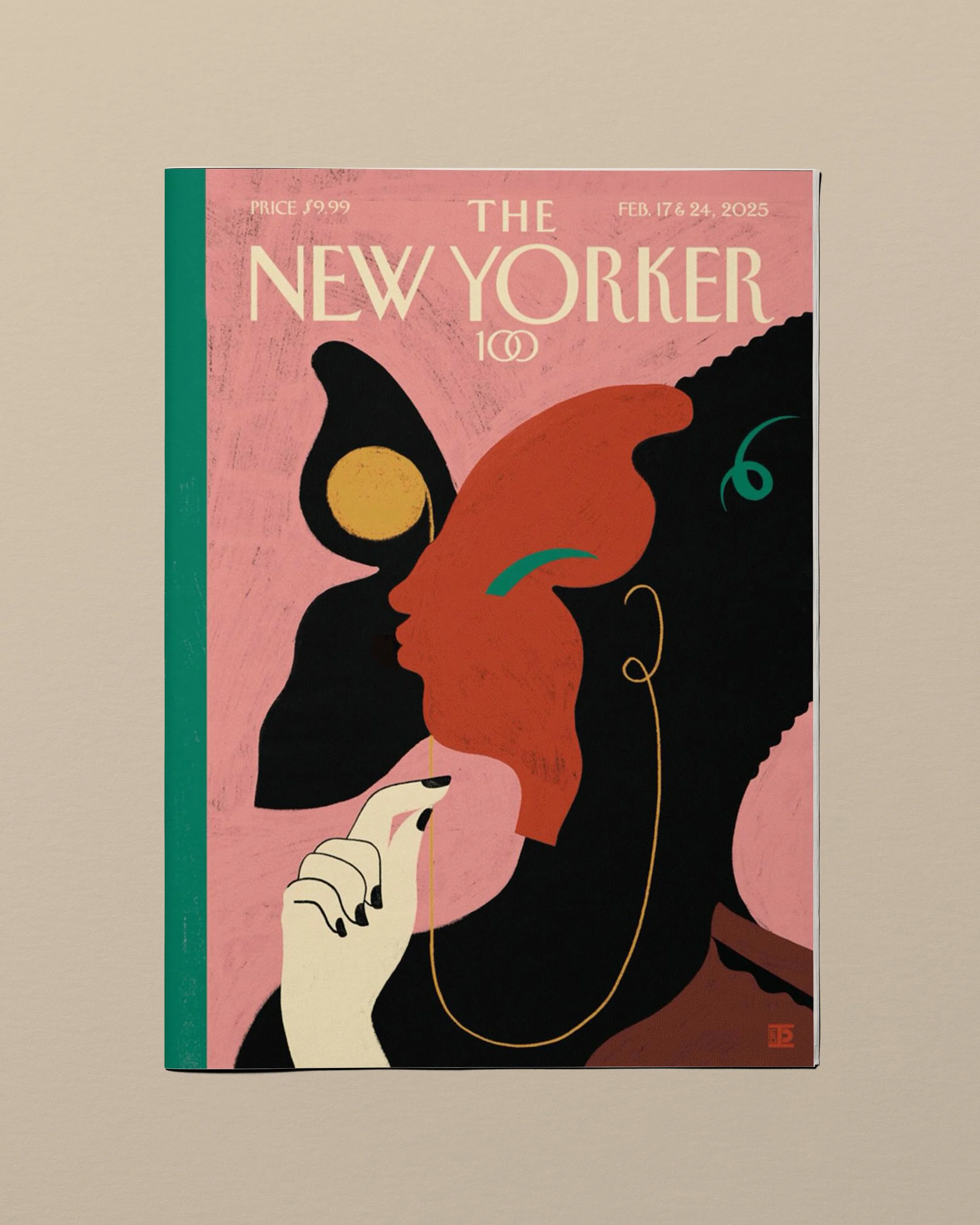
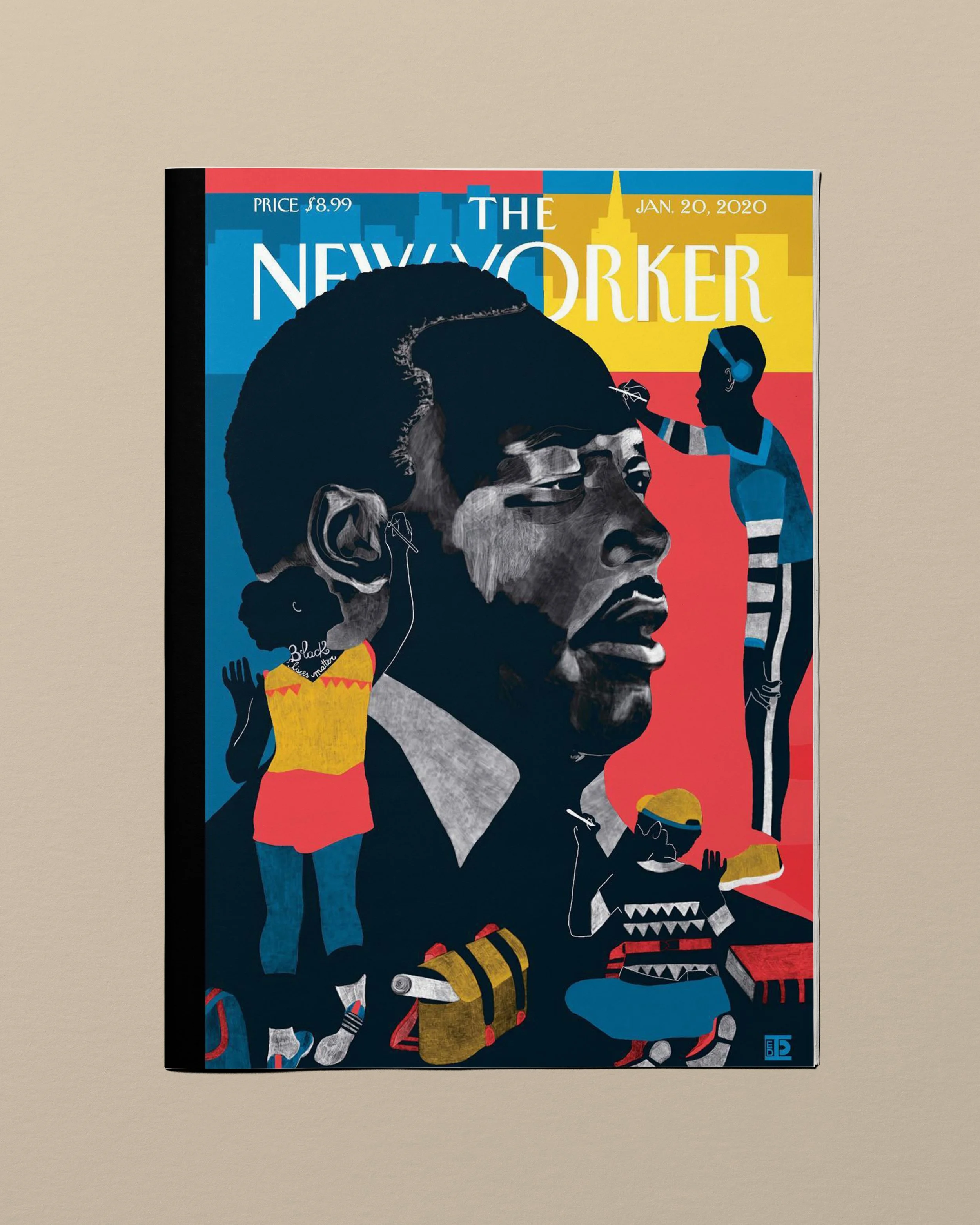
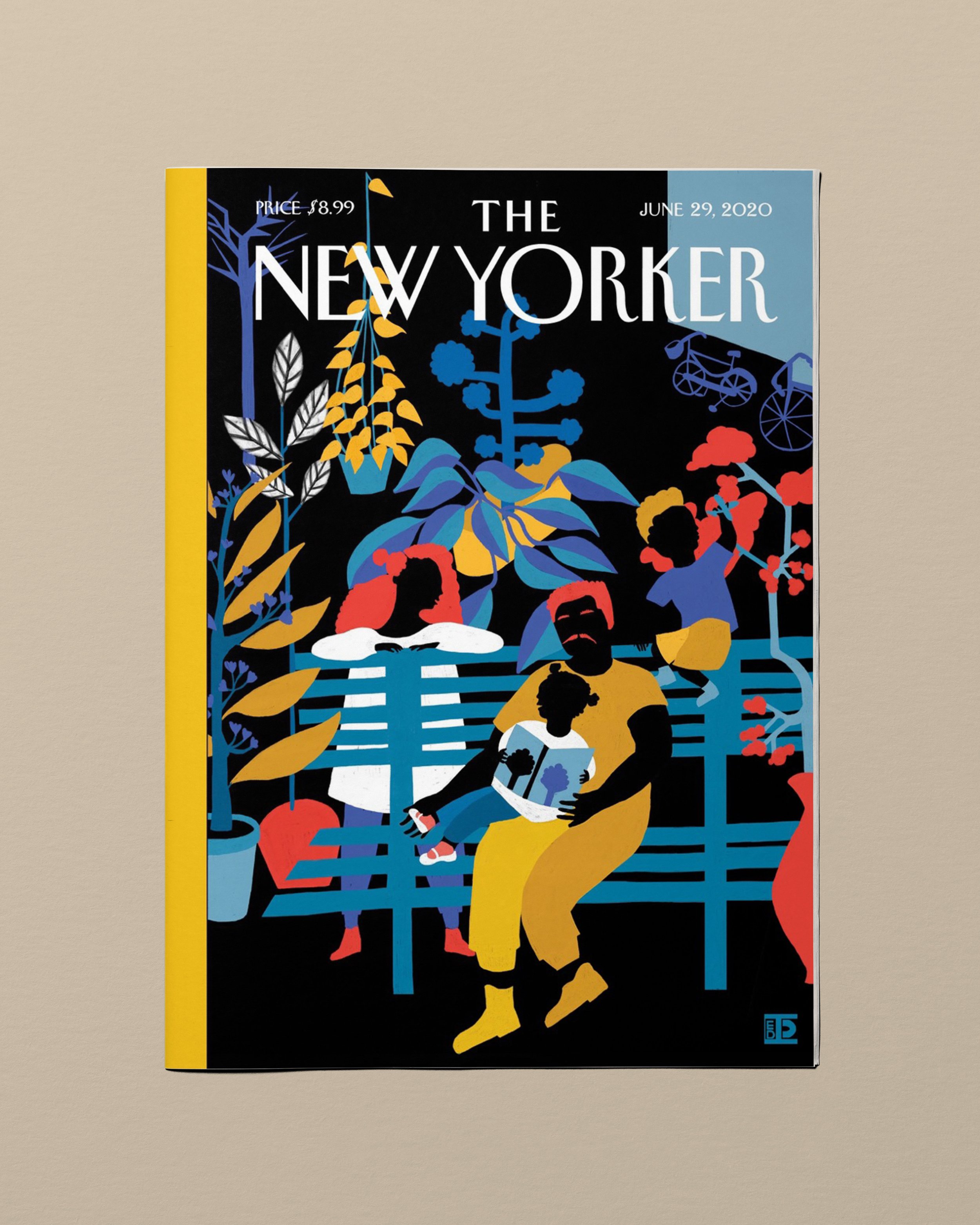
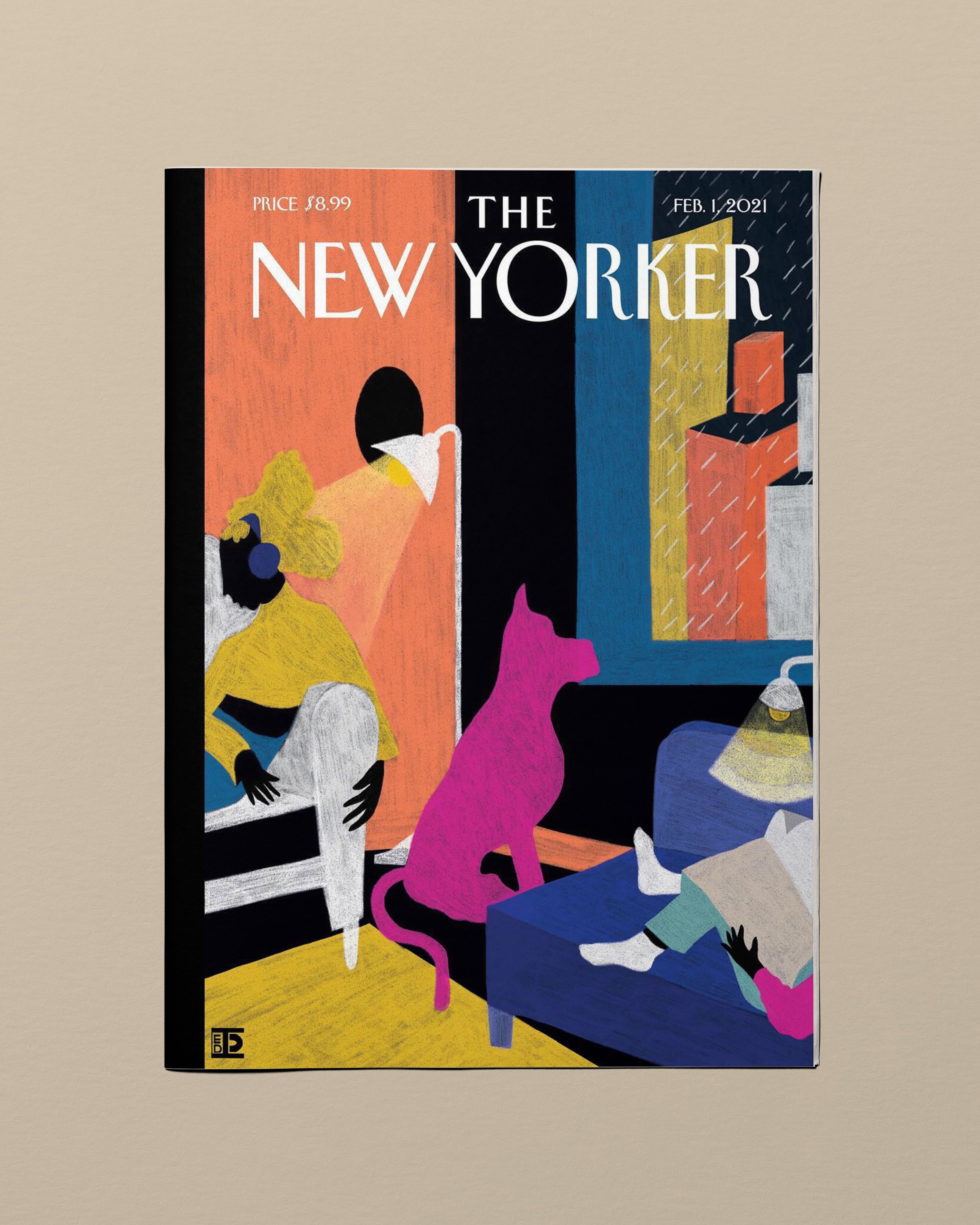
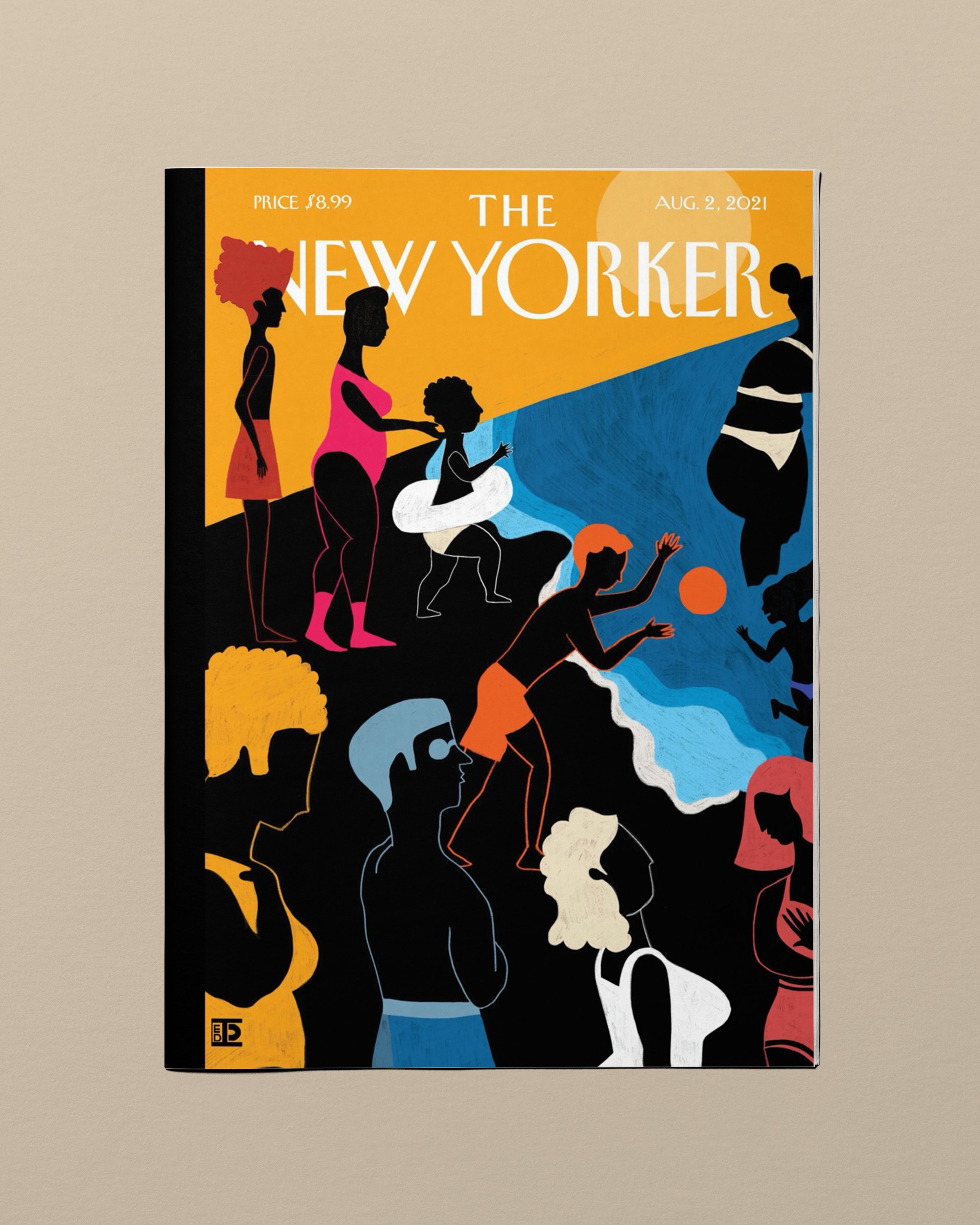
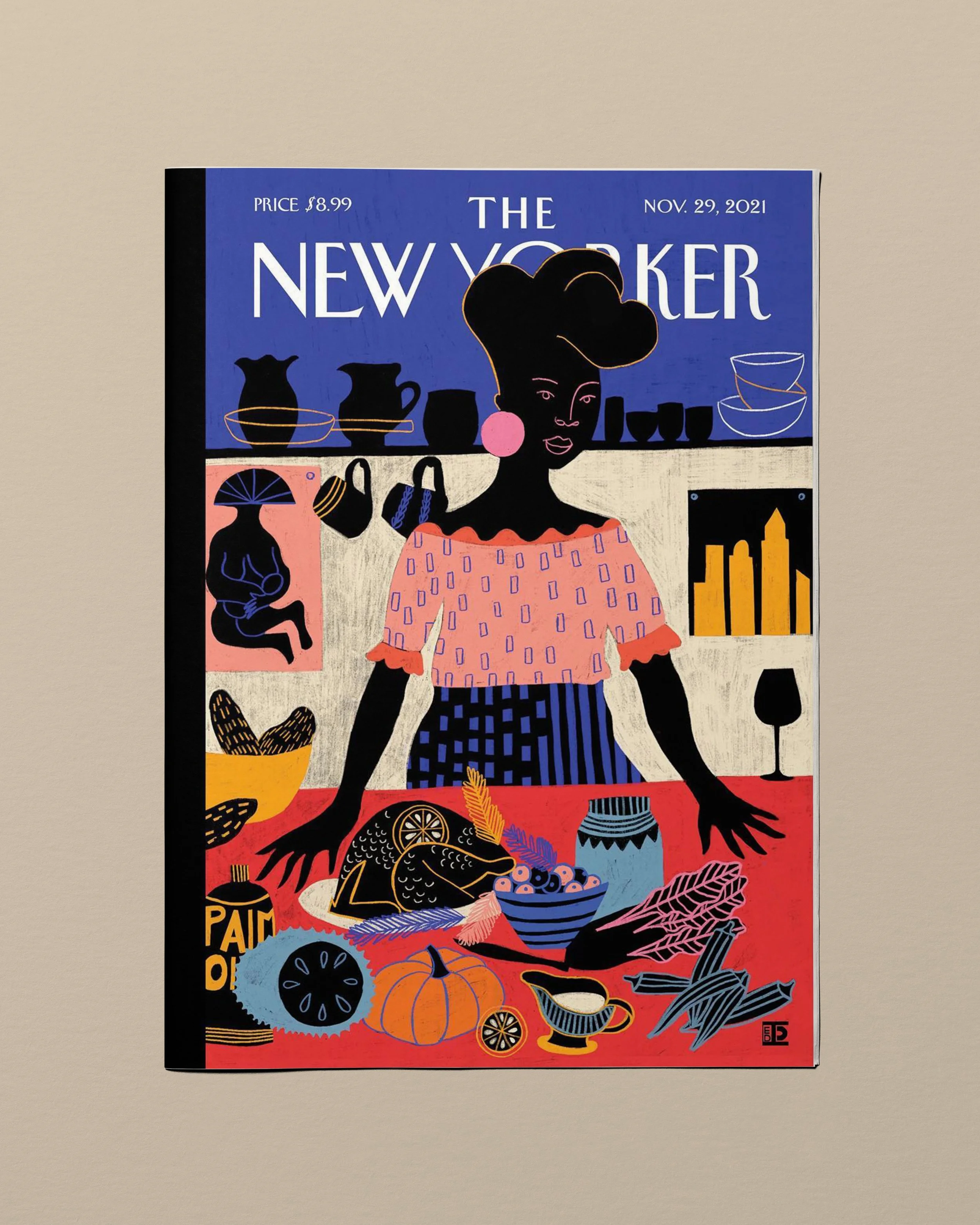
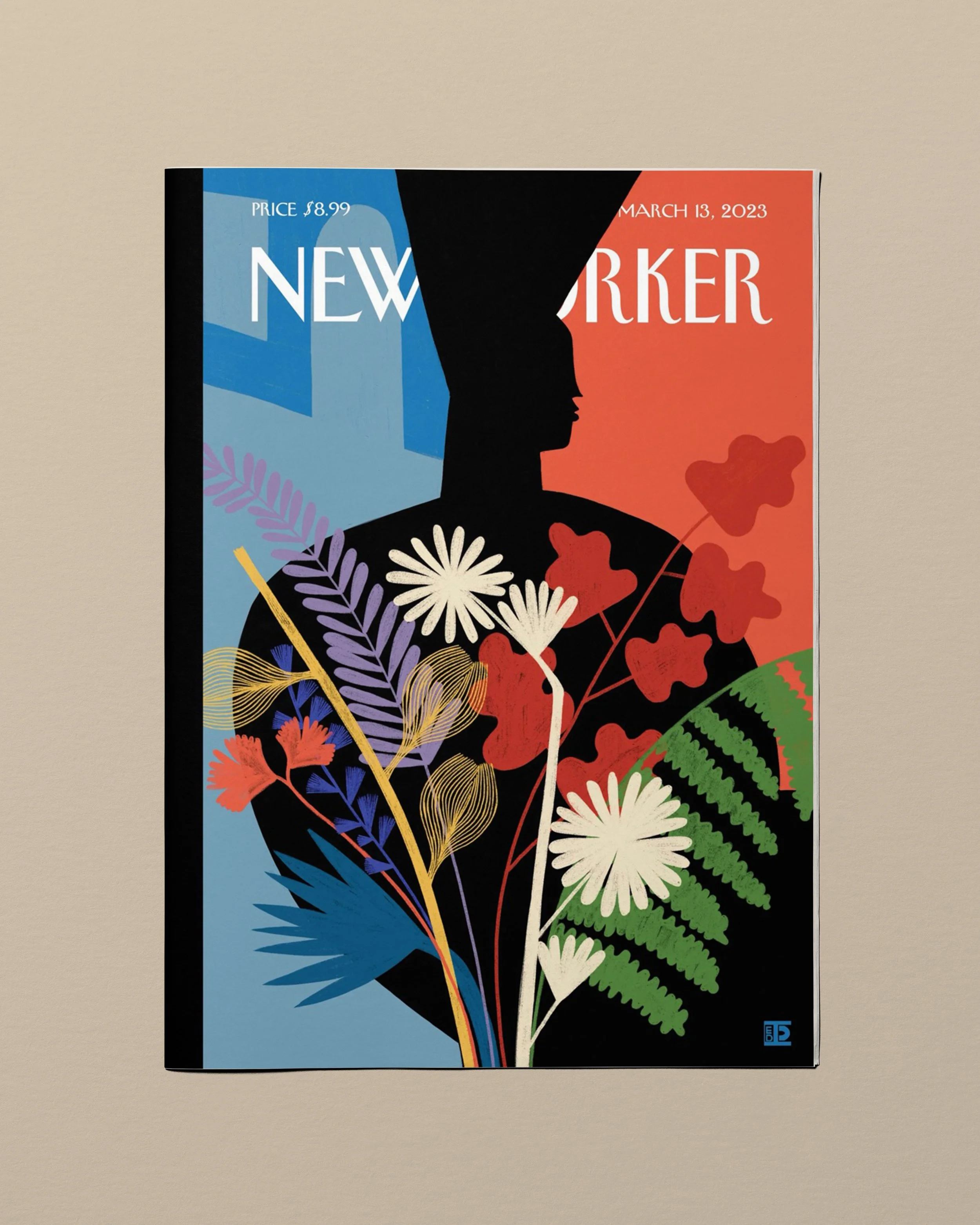
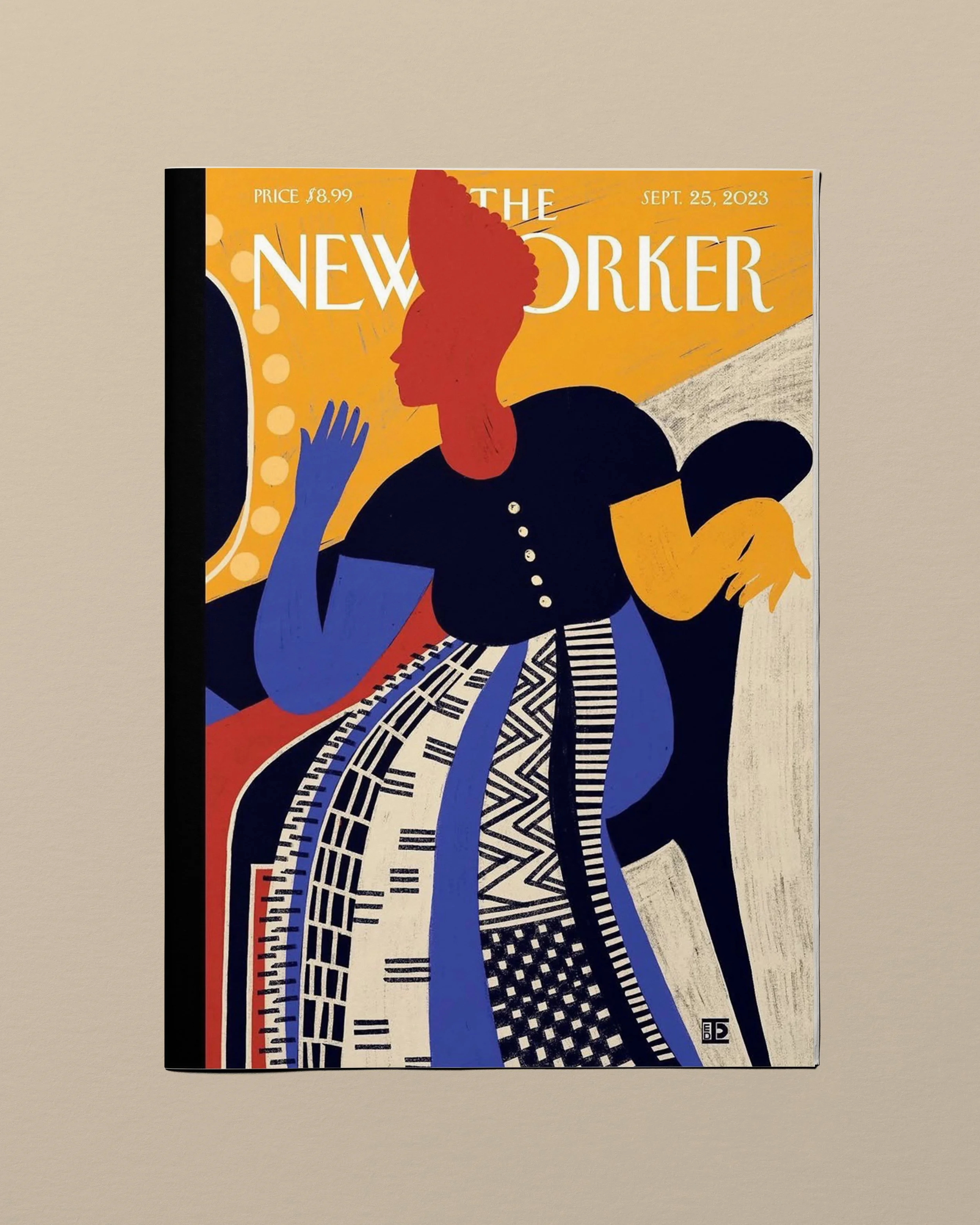
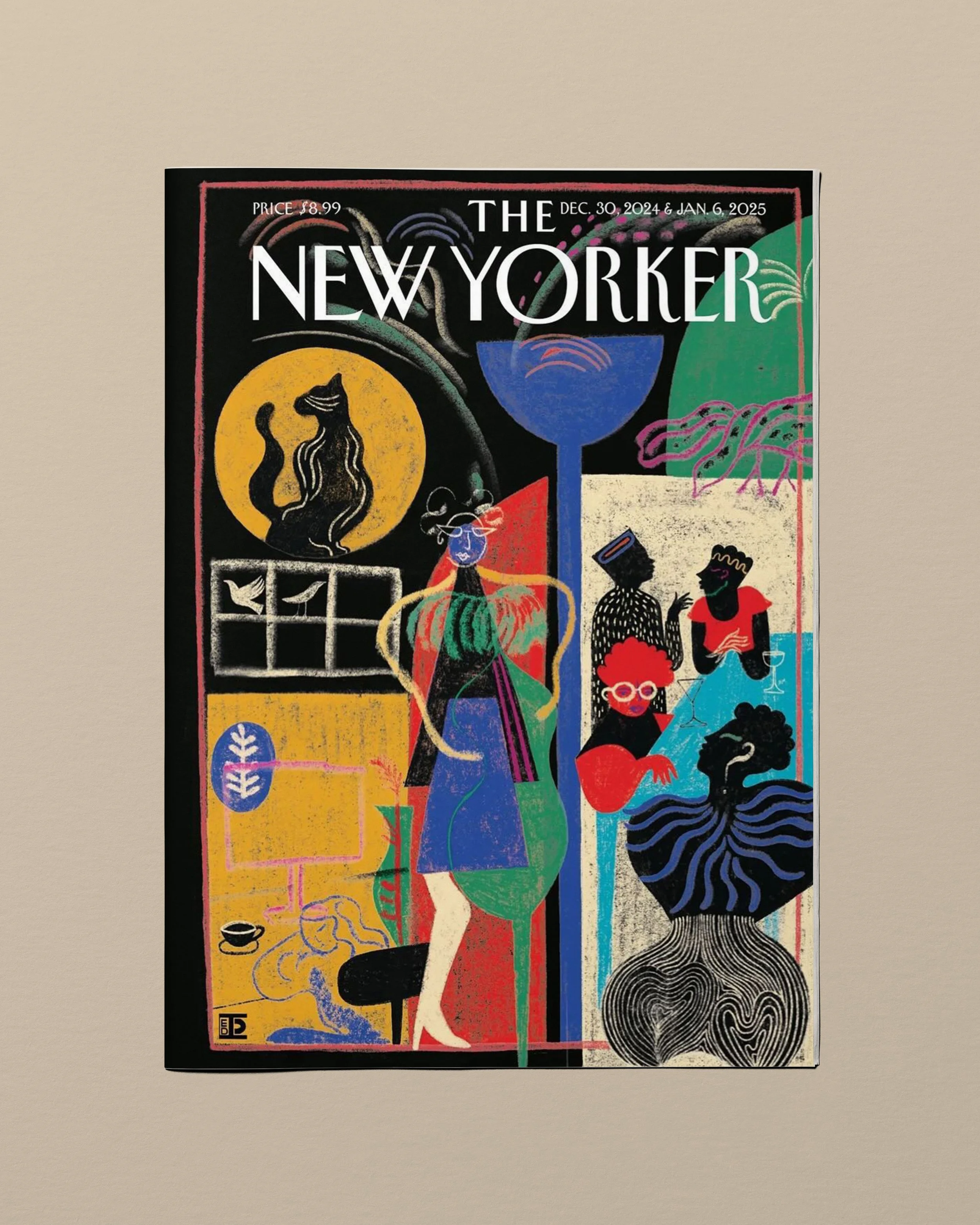
At Dutch Uncle, we're particularly interested in the artists behind these covers. Our newly signed artist Diana Ejaita has created eleven covers for the magazine, making her inclusion in this landmark collection especially significant.
Diana Ejaita: eleven covers for The New Yorker
For many professional illustrators, having work on the cover of The New Yorker is a dream commission. For Diana Ejaita, it has become a significant part of her career.
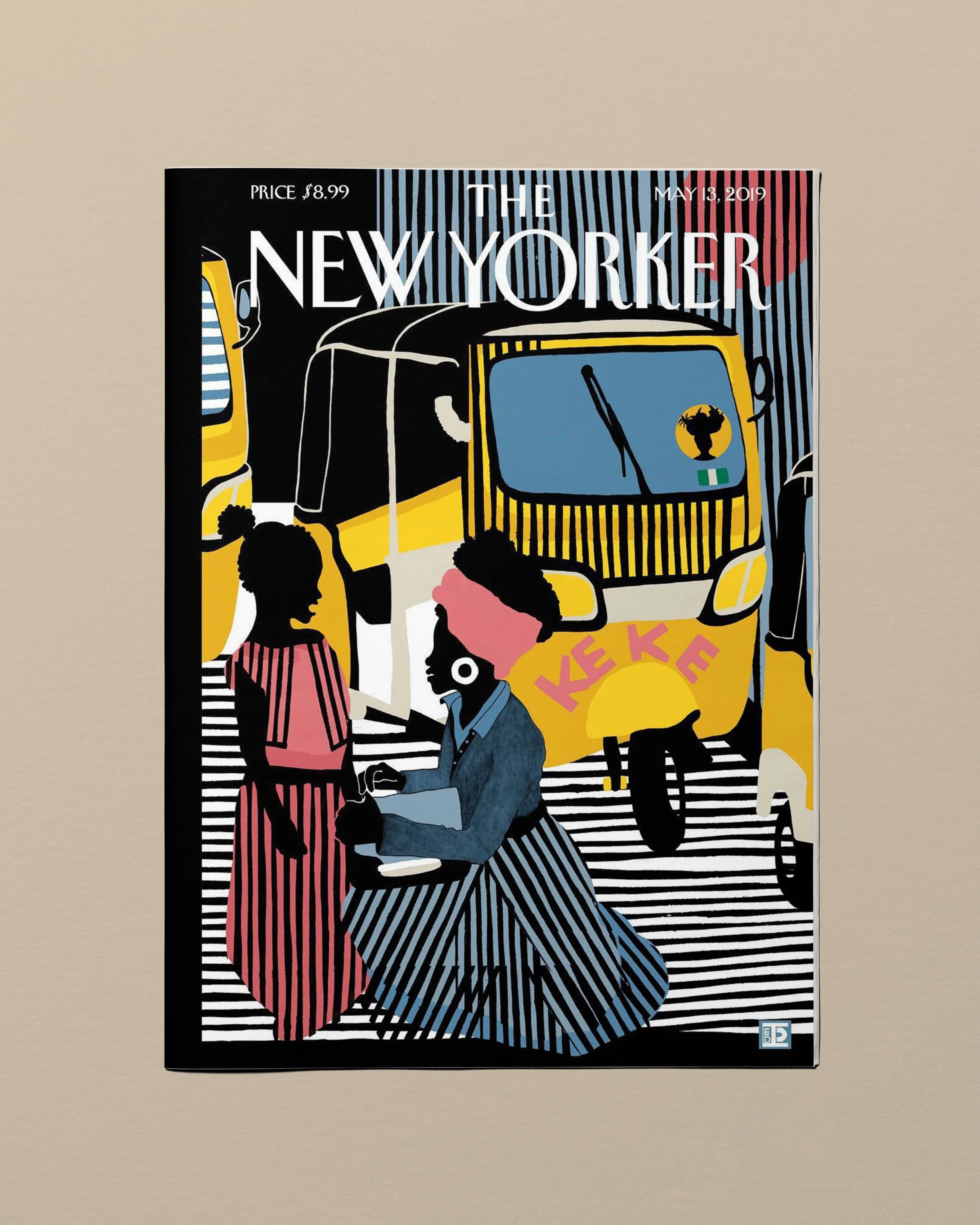
Diana is an illustrator, textile designer and fine artist who began contributing to the magazine in 2019 with Iya Ni Wura (Mother Is Gold), inspired by a trip to Lagos, Nigeria. Her subsequent covers have explored subjects ranging from family and motherhood to food, fashion, history and everyday life.
Her work brings a distinctive perspective to the magazine, drawing on her Nigerian and Italian heritage and her experience across illustration, textiles and fine art. Each commission offers an opportunity to bring her individual point of view to a publication with a global readership.
Her August 2026 cover, Before the Plunge, is another example of her continuing relationship with the magazine.
The book's dedicated profile of Diana places her among a remarkable group of artists who have contributed to the magazine's visual identity. Eleven covers represent a substantial body of work for any illustrator, demonstrating the value of developing a lasting relationship with a publication and continuing to bring fresh ideas to each commission.
At Dutch Uncle, we're delighted to represent Diana and look forward to seeing where her practice takes her next.
Malika Favre: the artist behind the book's cover
Malika Favre's illustration for the book's cover originally appeared in The New Yorker in June 2016 under the title Page Turner. Its selection for From Cover to Cover brings the book full circle, using an existing magazine cover to represent a century of cover art.
Malika is one of the contemporary illustrators featured in the book, with her own dedicated profile in the section highlighting artists who have helped shape the magazine's visual identity.
The artists who shaped a century of cover art
One of the pleasures of From Cover to Cover is the breadth of artists represented. The contents include dedicated spotlights on figures whose work has helped define illustration and the magazine's distinctive visual history.
Rea Irvin created Eustace Tilley, the monocled figure who appeared on the first issue in 1925. Saul Steinberg produced View of the World from 9th Avenue in 1976, one of the most recognisable magazine covers ever published. Jean-Jacques Sempé, Roz Chast, Bruce McCall and Chris Ware represent very different approaches to drawing, humour and visual storytelling.
The book also features artists including Kadir Nelson, Kara Walker, David Hockney, Barry Blitt, Art Spiegelman and Adrian Tomine. Their inclusion illustrates the breadth of the magazine's commissioning, spanning generations and a wide range of artistic disciplines.
Some covers have become cultural landmarks.
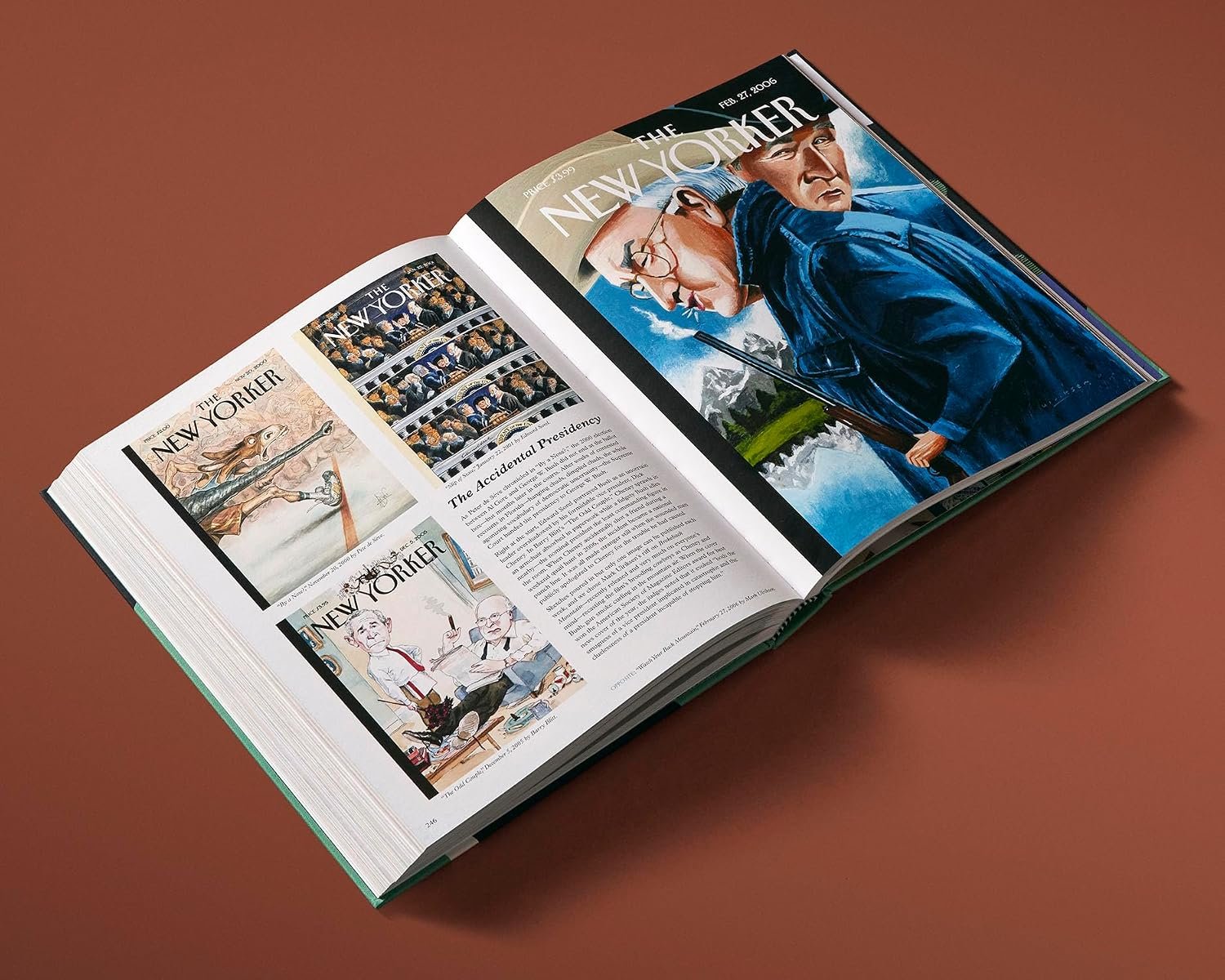
Art Spiegelman and Françoise Mouly's nearly all-black cover following the September 11 attacks in 2001 expressed grief through the absence of an image.
Barry Blitt's The Politics of Fear, published in 2008, became a major talking point during the US presidential election campaign.
These examples demonstrate how editorial illustration can move beyond accompanying an article to become part of the public conversation itself.
Why does The New Yorker cover matter to illustrators?
There are so many avenues for illustrators to publish work and reach international audiences. Yet a cover for The New Yorker remains one of the profession's most coveted commissions.
I guess part of its appeal is the magazine's history. An artist is contributing to a visual tradition stretching back to 1925, alongside some of the most respected names in illustration and contemporary art.
But the importance of the commission goes beyond this prestige. A cover gives an illustrator the opportunity to create an image that stands on its own. It might make a political point, capture a fleeting emotion, offer a visual joke or present an everyday situation in an unexpected way.
The best covers have an idea at their centre. They invite readers to look again. Think differently or recognise something about the world around them.
This is what makes editorial illustration such a rewarding discipline. The illustrator is interpreting a subject and bringing their own perspective to it.
For us at Dutch Uncle, representing artists with distinctive visual voices is at the heart of what we do. Our role is to connect individual talent and ideas with the right commissions, whether in editorial illustration, advertising, publishing or animation.
Diana Ejaita's eleven covers, alongside the work of Malika Favre and Mark Ulriksen, demonstrate how illustrators can contribute to a publication's identity in different ways.
A book for anyone interested in illustration
The New Yorker: From Cover to Cover offers an opportunity to explore a century of illustration through the magazine that has helped make cover art such an important part of publishing.
For illustrators, it provides a chance to study how ideas become images and how different artists approach the same format.
For art directors and designers, it is a substantial reference for visual communication, composition and editorial art.
For New Yorker readers, it reveals the artists behind some of the magazine's most memorable covers.
Most importantly, the book celebrates the contribution illustration makes to journalism and culture.
A single image can capture a moment, communicate an idea and stay with its audience long after the issue has passed.
With artists such as Diana continuing to contribute to The New Yorker, that tradition remains very much alive.
Explore the artists represented by Dutch Uncle: dutchuncle.co.uk
Dutch Uncle is a global artist management agency representing artists across illustration, art, animation and design.