Counting in Colour: How Illustration and Animation Helps Kids Learn Maths
Maths in Motion
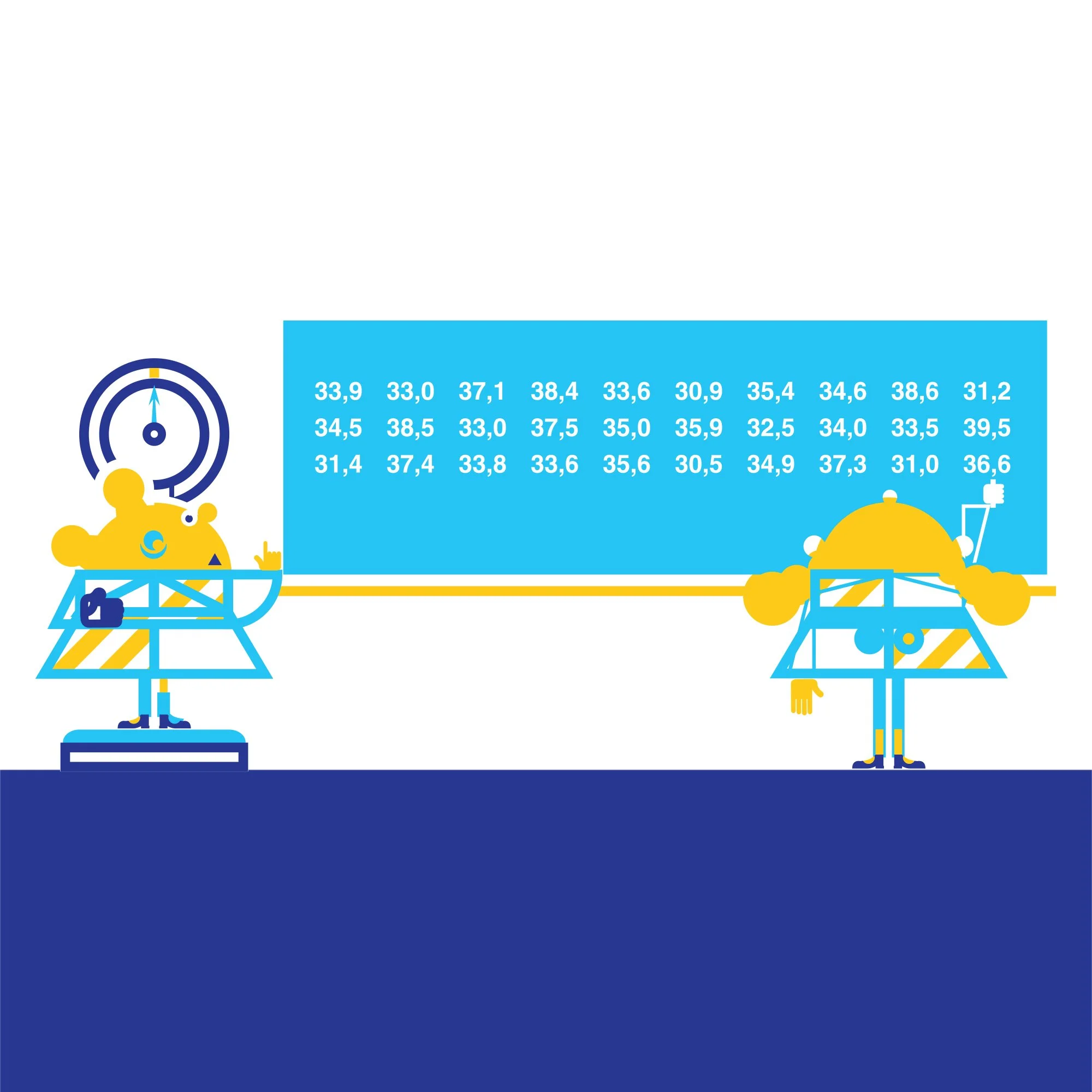
Christian Montenegro’s Maths for Kids shows how illustration and animation can turn numerical ideas into simple, recognisable scenes. A character stacks blocks. Another character sorts objects into groups. These actions reveal early maths concepts without relying on cold numerical symbols. Children watch a task unfold and learn how numbers behave through movement and structure.
This approach aligns with current research. A 2023 study from the Harvard Graduate School of Education (https://www.gse.harvard.edu) found that visual–spatial activities help children build stronger number sense, especially when combined with narrative sequences. The study highlighted that when children see ideas unfold step by step, their understanding of quantity and pattern deepens.
Why Illustration Supports Early Maths


Illustration breaks down abstract ideas into concrete actions.
A child may struggle to grasp “division,” yet has no difficulty watching a character share items into equal groups.
A 2022 paper in Nature Human Behaviour (https://www.nature.com/nathumbehav/) confirmed that early number sense grows faster when concepts appear in visual formats. The paper reported that children retain maths ideas longer when exposed to graphic cues, such as spatial layouts and patterned imagery.
The British Psychological Society (https://www.bps.org.uk) added in a 2020 review that visual structure improves problem-solving. Illustrated sequences help with cognitive load by anchoring ideas in a clear frame. This matters in classrooms where attention shifts quickly. Pictures hold attention and help children track the logic of a task.
Why Maths Still Matters in a Digital Age
A 2021 report by the OECD Education Directorate (https://www.oecd.org/education) noted that children with strong foundational numeracy make better decisions, even when using calculators or AI-based tools. Illustration does not compete with technology; it prepares children to interpret the results those tools produce. When a child understands how a problem works, they rely on technology with confidence rather than dependence.
Further Reading
Harvard Graduate School of Education – Spatial Reasoning and Early Maths (2023)
https://www.gse.harvard.eduNature Human Behaviour – Visual Learning and Number Sense (2022)
https://www.nature.com/nathumbehav/British Psychological Society – Working Memory and Visual Structure (2020)
https://www.bps.org.ukOECD Education and Skills – Numeracy and Decision-Making (2021)
https://www.oecd.org/educationChristian Montenegro – Maths for Kids
https://www.dutchuncle.co.uk/christian-montenegro