Gestalten :This Is Where We Live. Why Spatial Illustration could be 2026’s Biggest IllustrationTrend
This Is Where We Live / gestalten
I’ve always loved illustration. Not just images for the sake of aesthetics, but illustration that builds worlds and narratives. The kind in this book that makes you pause and think: oh, that’s how you can draw a city…
As the new gestalten release, This Is Where We Live: Illustrated Stories of Place and Space, arrives this February, it feels like a landmark moment.
From my perspective at Dutch Uncle, this is the book the illustration industry has been waiting for. It’s the most significant fully illustrated volume to hit shelves in a while and a barometer for where illustration stands in 2026.
This Is Where We Live illustration by Ugo Gattoni
About the book: This Is Where We Live
At its heart, This Is Where We Live is about something we all understand: the places we move through every day. From a slightly chaotic studio apartment to a buzzing, imagined future city, the book looks at how spaces feel and not just how they look.
Instead of treating buildings like technical objects or polished showrooms, it focuses on what you might call “spatial storytelling.” — telling stories about places. Drawings can show atmosphere, memory, personality and even humour. The human side of architecture that computer-generated plans and glossy renders often leave out.
More than anything, this book makes a case for art as a way of thinking. It shows how illustration can help us slow down and really notice the environments around us.
Through the work of some of today’s most inventive illustrators listed below, we’re invited to reconnect with the emotional side of the spaces we live in, work in and dream about.
Edited and curated by Antonis Antoniou
Antonis is an architect, educator and writer — whose career has consistently explored the intersection between the built environment and visual culture.
Antoniou’s previous titles, such as The Architecture of the Screen and Experimental Architecture, often leaned into the academic and the avant-garde. While those works dissected the theory behind design, This Is Where We Live feels more visceral and democratic.
It trades high-concept theory for lived experience, shifting the focus from the drawing board to the street corner. This is a celebration of how we actually inhabit the world, making it his most accessible and human-centric publication to date.
Telling the Story in Four Ways
Cinematic Space (Mise en Scène) — This is the director’s lens. Illustrators like Javi Aznarez use framing, perspective and visual drama to build environments that feel like scenes from a film. Space becomes narrative. Composition becomes storytelling.
Architectural Memory — Here, technical diagrams are softened, expanded and reinterpreted. Illustrators such as Lucille Clerc rework architectural language to embed memory, emotion and cultural history within it. What is usually functional becomes personal.
Hybrid Fictions (Mash-Up Spaces) — This is where real and imagined worlds collide. Artists like Ugo Gattoni stretch cities into speculative landscapes, blending reality and fantasy to imagine environments that don’t yet exist.
Wimmelbild Fever (Drawn Density) — Inspired by the tradition of highly detailed “where’s-Wally” style compositions, this section celebrates the density of everyday life. Illustrators such as Ilya Milstein and IC4Design create layered environments packed with activity — spaces that reward slow looking.Together, these four approaches show that architectural illustration isn’t a style. It’s a mindset.
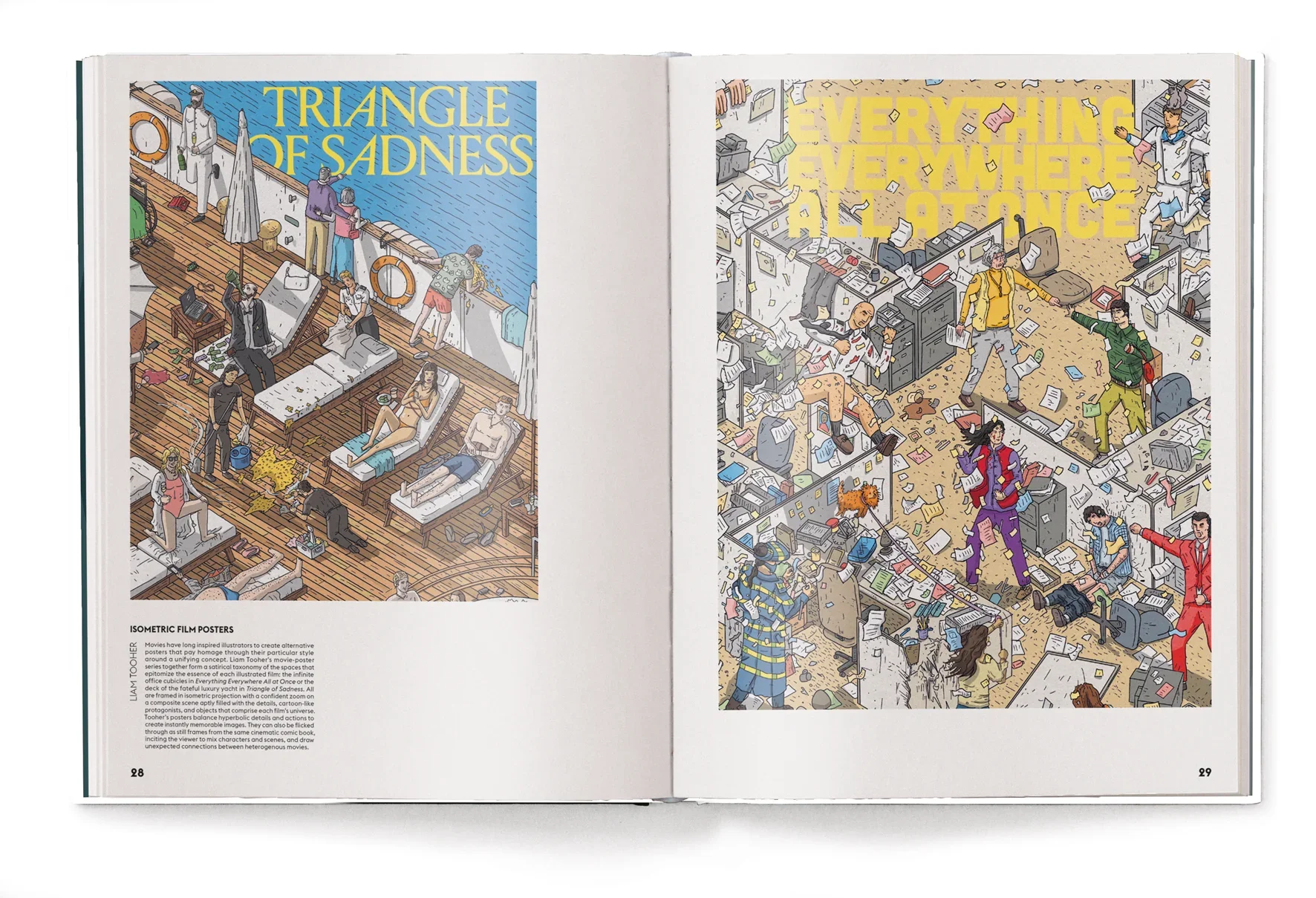
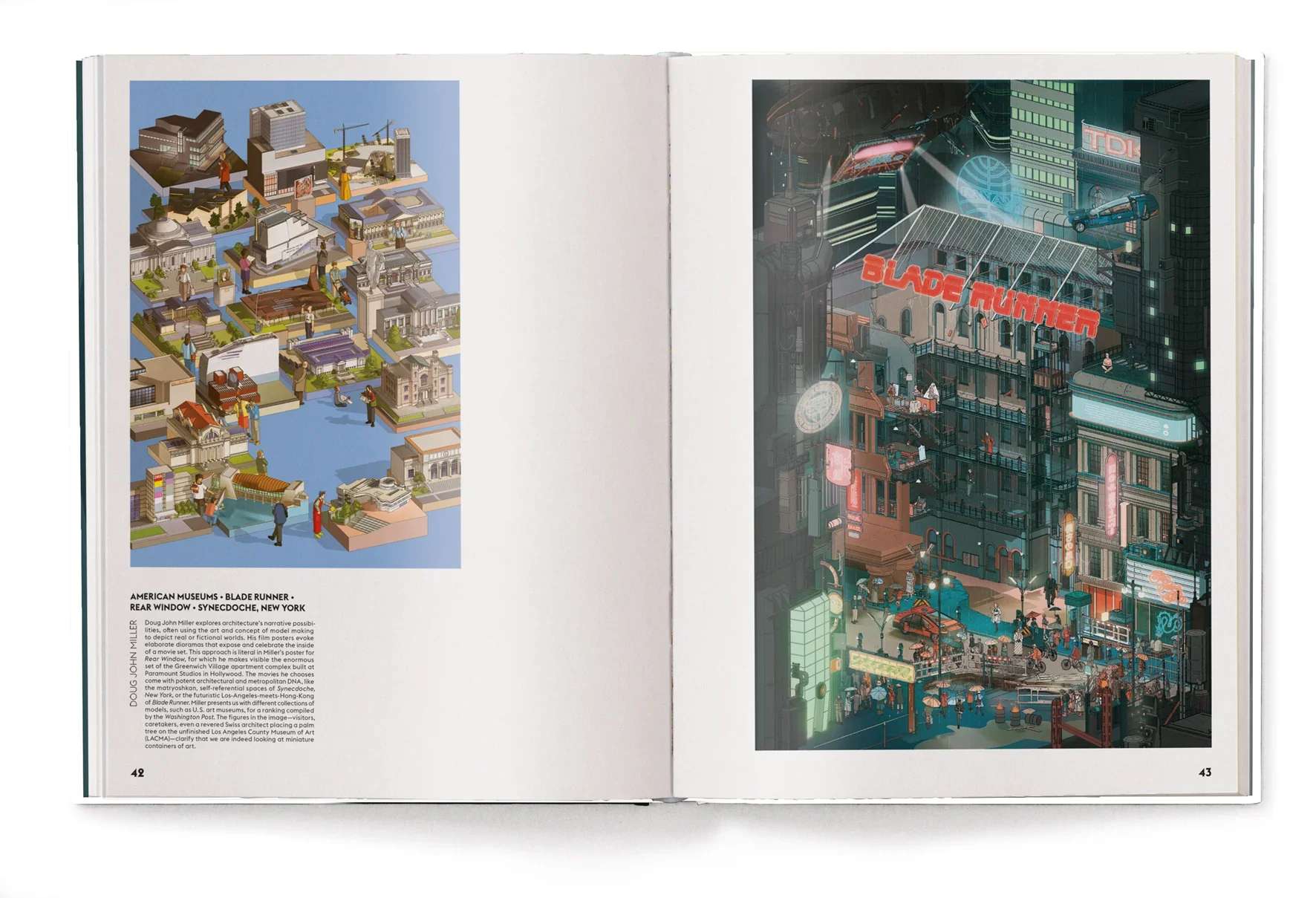
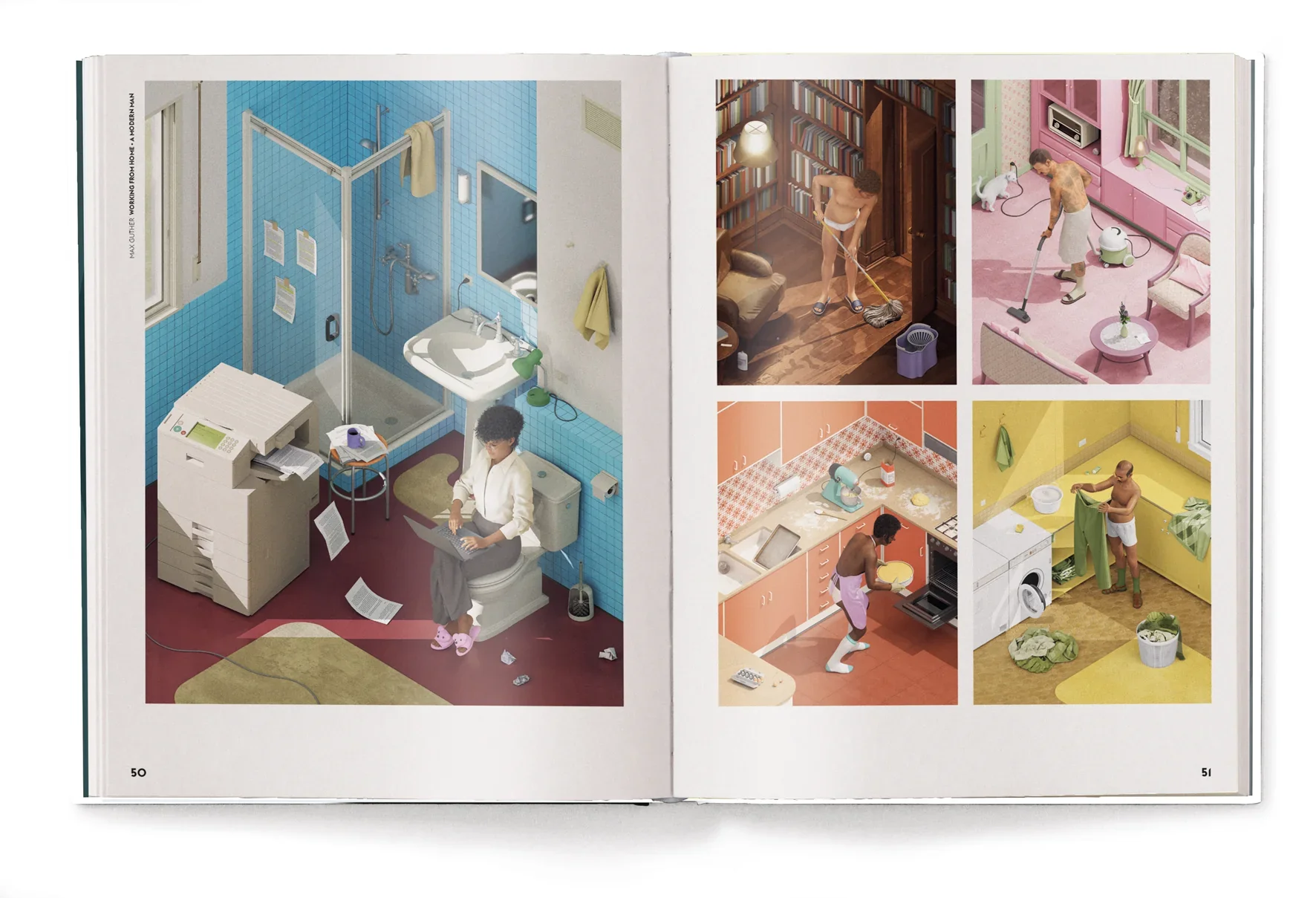
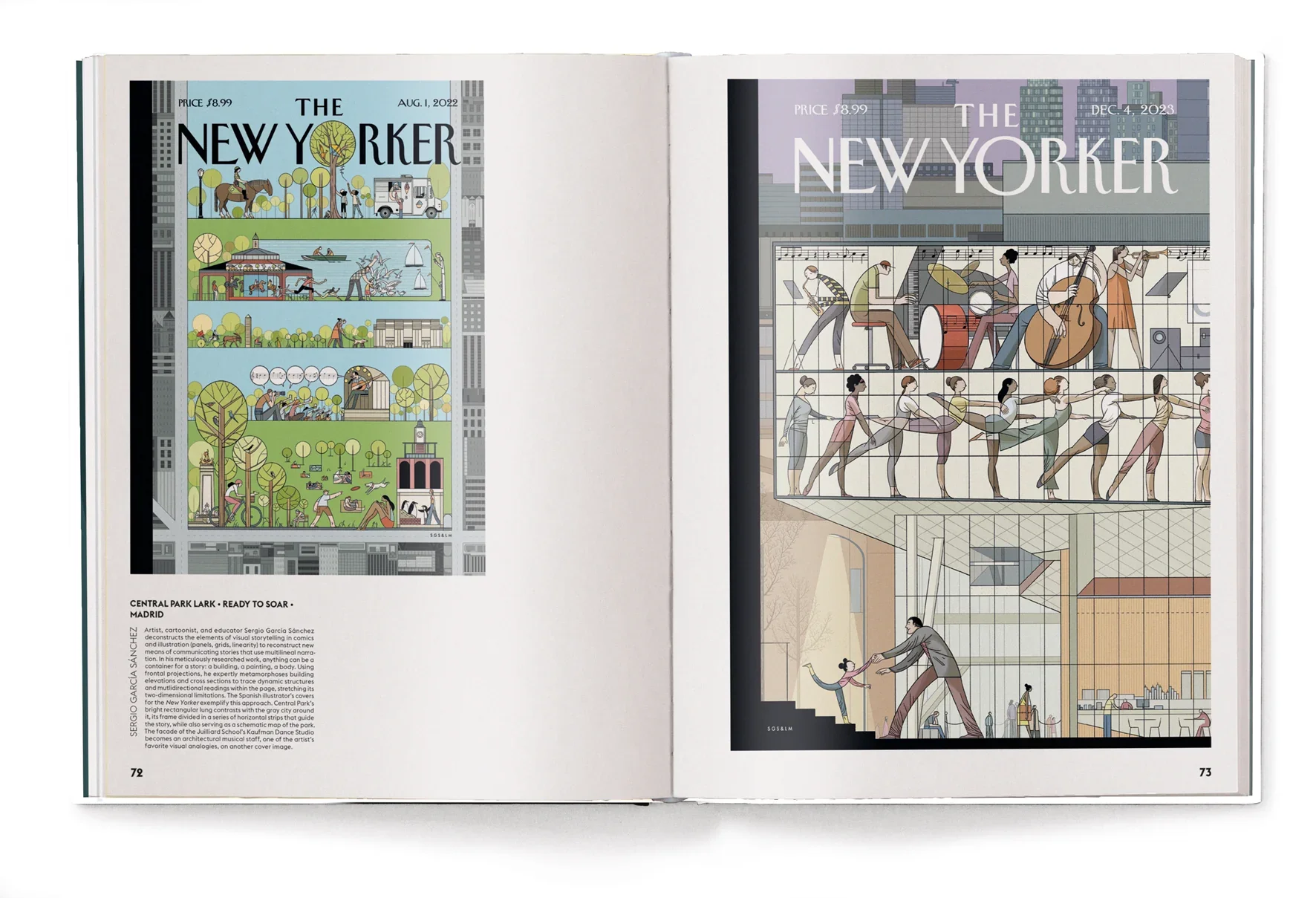
Jisu Choi as cover artist
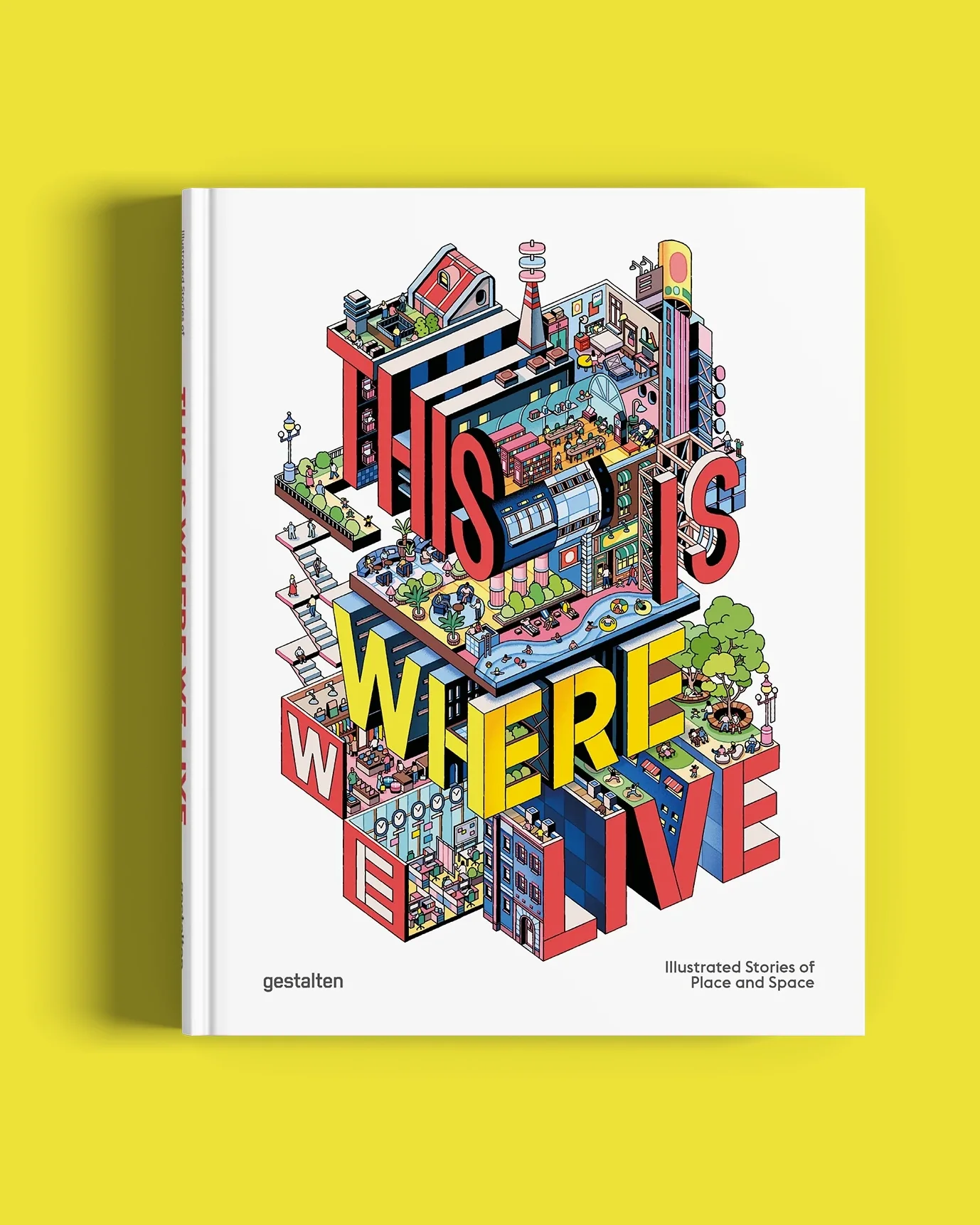
Cover illustration by Jisu Choi
We’ve spent over 20 years at Dutch Uncle working alongside illustrators—doing the quiet work of building careers, finding the right clients, and helping practices grow. We’re a small, focused team across London, New York, and Tokyo, and our approach has always been long-term and artist-first.
So, when Jisu Choi is selected as the cover artist for a book like this, it genuinely means something to us.
We love Jisu’s work because it manages a difficult balance: it has all the structural intelligence of a technical drawing, but it’s packed with warmth and human narrative. It’s architectural without being cold, and conceptual without feeling distant.
Seeing her front this major release at the start of 2026 feels like a milestone—for her, and for us too.
Illustration and why this matters for 2026… and beyond
Physically, the book has that unmistakable Gestalten presence. 240 full-colour pages, beautifully bound, and satisfyingly weighty in your hands. It feels like something you’ll want to leave out on the coffee table, not tuck away on a shelf.
Inside, it brings together a remarkable community of artists — from Carlo Stanga to Max Guther, from Javi Aznarez to Ilya Milstein — all using drawing to explore a simple but powerful question: how do we actually live in the spaces around us?
What makes it special is that the illustrations question, imagine and even gently critique the world we’ve built. The work feels thoughtful, emotional and inventive.
At a time when so much architectural imagery looks automated or computer-generated, this book is a reminder that illustration can transport us someplace else.
The Complete Illustrators Index: 'This Is Where We Live'
Ana Aragão Illustration — @aanaaragao
Benoit Aupoix — @benoitaupoix
Javi Aznarez — @javi_aznarez
Sophia Babari — @sophiababari
Jakub Bachorík — @jakubbachorik
Oliwia Bober — @oliwia.bober
Celyn Brazier — @celyn_brazier
Rommel Christian Cahillo — @rcdraws
Maaike Canne —@maaike_canne
Alejandro Carsillo Vinci — @carsillovinci
Sam Chivers — @sam.chivers
Vanilla Chi — @vanilla_hchi
Jisu Choi — @jisuchoi.poly
Lucille Clerc — @lucille_clerc
Agustin Coll — @augustinecoll
Guillaume Cornet — @guillaumecornet
Croter — @croter_hung
Bruno Pinto Da Cruz — @isomatic_studio
Kevin Cuevas — @kevin_cuevas_estrada
Sally Deng — @sa.deng
Andrew DeGraff — @andrewdegraff
Homa Delvaray — @homadelvaray
Megan De Vos —@devosmegan
Kathleen Fu —@urbsvidi
Irena Gajic — @irenagajic
Sergio García Sánchez — @sergiocumbresverdes
Ugo Gattoni — @ugogattoni
Ben Giles — @bengilesart2
Golden Cosmos — @goldencosmos
Max Guther — @maxguther
Thomas Hayman — @thomassshayman
Enya Honami — @enyahonami
Micha Huigen — @michahuigenillustration
IC4Design —@hirokamigaki_ic4design
Boryana Ilieva — @bora.architecture
Isnadesign — @isnadesign_noguchi
Trajan Jia — @inspetit_c
Peter Judson — @_peterjudson
Kaido Kenta — @kaidokenta
Ing Lee — @inglee
Philip Lindeman — @philip_lindeman
Xinmei Liu — @cat_mover
Hey Mady! —@hey.mady
Don Mak — @donmak
Toby Melville-Brown — @tobymelvillebrown
Ilya Milstein — @ilyamilstein
Doug John Miller — @dougjohnmiller
Carolina Moscoso — @carolinamoscoso
Rami Niemi — @raminiemithatillustrator
Grace (Hye In) Park — @gracehyein.park
Sander Patelski — @studiosanderpatelski
Eva Redamonti — @evaredamonti_art
Josephin Ritschel — @josephin.ritschel
Rob En Robin — @robenrobin.nl
Roberts Rurans — @robertsrurans
Claire Scully — @clairescully
Adam Simpson — @adam_simpson
Jan Šrámek — @jan_sramek_kolouch
Carlo Stanga —@carlo_stanga
Scott Teplin — @steplin
Malik Thomas —@malikts
Liam Tooher — @liam.tooher
Tomi Um — @tomium
Sam Vanallemeersch — @samvanallemeersch
Shiwen Sven Wang — @shiwensvenwang
Niklas Wesner —@niklas_wesner
George Wylesol — @wylesol_
Purchase This Is Where We Live — https://gestalten.com/products/this-is-where-we-live
Whatever it is, the way you tell your story online can make all the difference.
1. The Masters of Cinematic & Narrative Space
These artists are the most searched for their movie-like narrative approach.
Javi Aznarez — Renowned for cinematic framing and visual drama.
Ana Aragão — Expert in intricate, narrative-driven urban structures.
Sophia Babari / Benoit Aupoix / Jakub Bachorík / Oliwia Bober / Celyn Brazier / Rommel Christian Cahillo / Maaike Canne / Alejandro Carsillo Vinci / Sam Chivers
2. Architectural Memory & Structural Intelligence
Leading artists who blend technical drawings with human narratives.
Lucille Clerc — Specialist in botanical and historical architectural layering.
Carlo Stanga — Iconic for his vibrant, expressive city portraits.
Vanilla Chi / Agustin Coll / Guillaume Cornet / Croter / Bruno Pinto Da Cruz / Kevin Cuevas / Sally Deng / Andrew DeGraff / Homa Delvaray / Megan De Vos / Kathleen Fu / Irena Gajic
3. Wimmelbild & The Art of Drawn Density
Creators of maximalist"cityscapes, ‘Where’s Waldo’ style illustrations and crowd details.
Jisu Choi — Cover Artist. Famous for her warm, human-centric architectural systems.
Ilya Milstein — The modern master of dense, lived-in interior storytelling.
IC4Design — World-leaders in hyper-detailed "search and find" urban art.
Max Guther — Famous for 3D-inspired isometric everyday life.
Thomas Hayman / Enya Honami / Micha Huigen / Boryana Ilieva / Isnadesign / Trajan Jia / Peter Judson / Kaido Kenta / Ing Lee / Philip Lindeman
4. Hybrid Fictions & Surreal Landscapes
Artists blending reality with speculative and futuristic environments.
Ugo Gattoni — Renowned for monumental, surrealist dreamscapes.
George Wylesol — Expert in liminal spaces and digital-analog textures.
Xinmei Liu / Hey Mady! / Don Mak / Toby Melville-Brown / Doug John Miller / Carolina Moscoso / Rami Niemi / Grace (Hye In) Park / Sander Patelski / Eva Redamonti / Josephin Ritschel / Rob En Robin / Roberts Rurans / Claire Scully / Adam Simpson / Jan Šrámek / Scott Teplin / Malik Thomas / Liam Tooher / Tomi Um / Sam Vanallemeersch / Shiwen Sven Wang / Niklas Wesner
About Dutch Uncle / dutchuncle.co.uk
Founded over 20 years ago, Dutch Uncle is a leading global illustration agency with offices in London, New York, and Tokyo. We specialize in long-term talent management and creative development, representing a world-class roster of illustrators — including many featured in this volume—who define the forefront of visual culture.