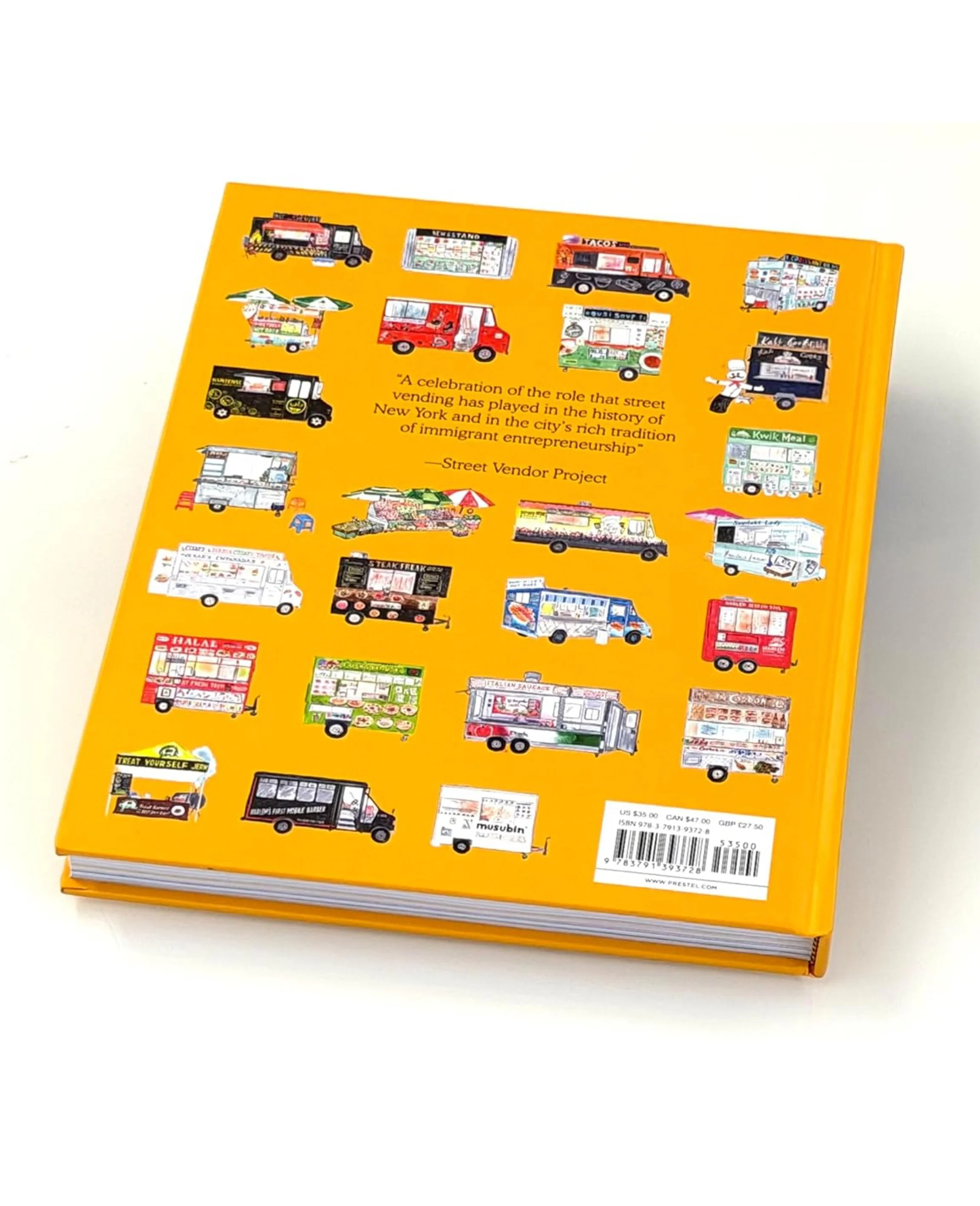
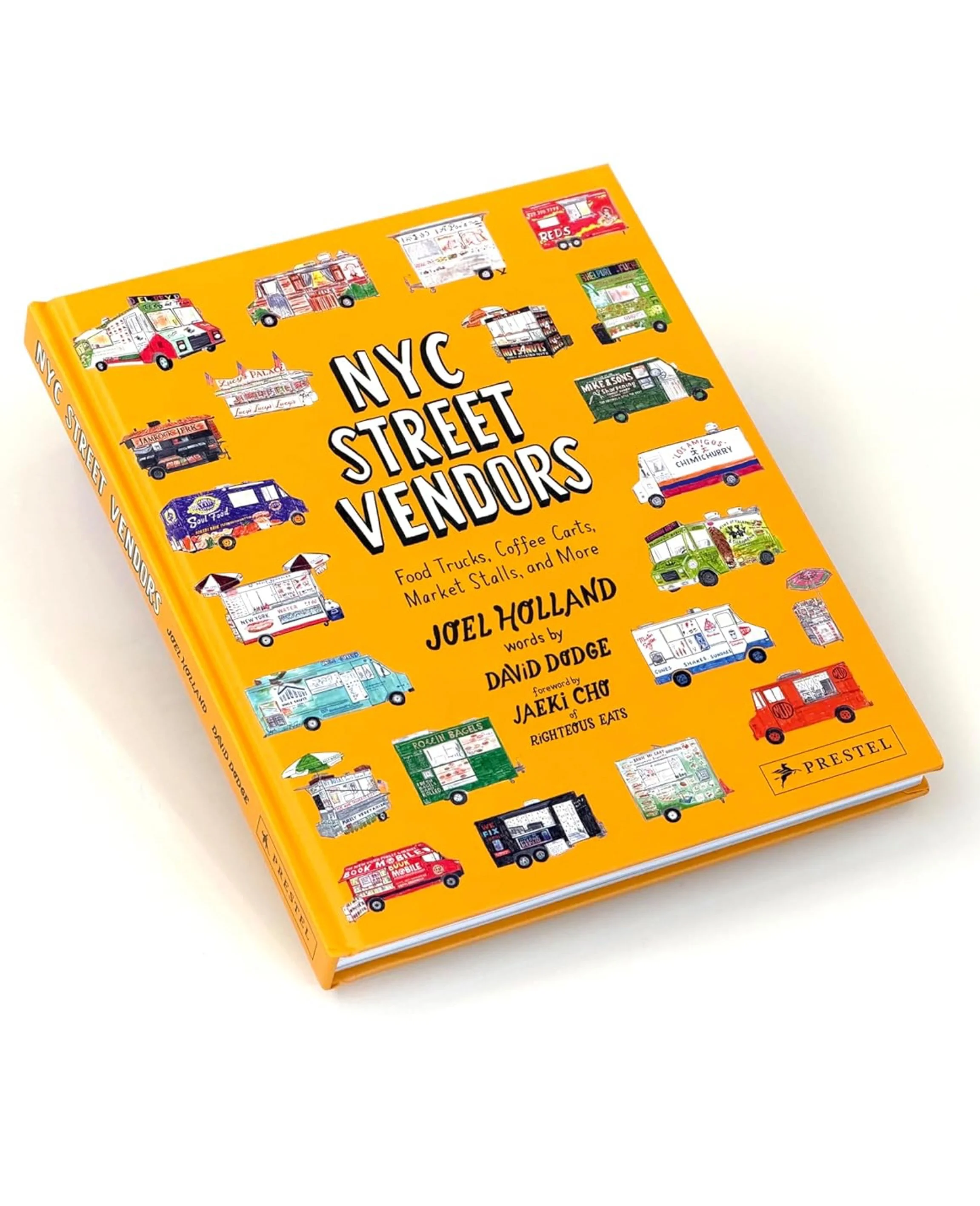
Joel Holland — NYC Street Vendors published by Prestel
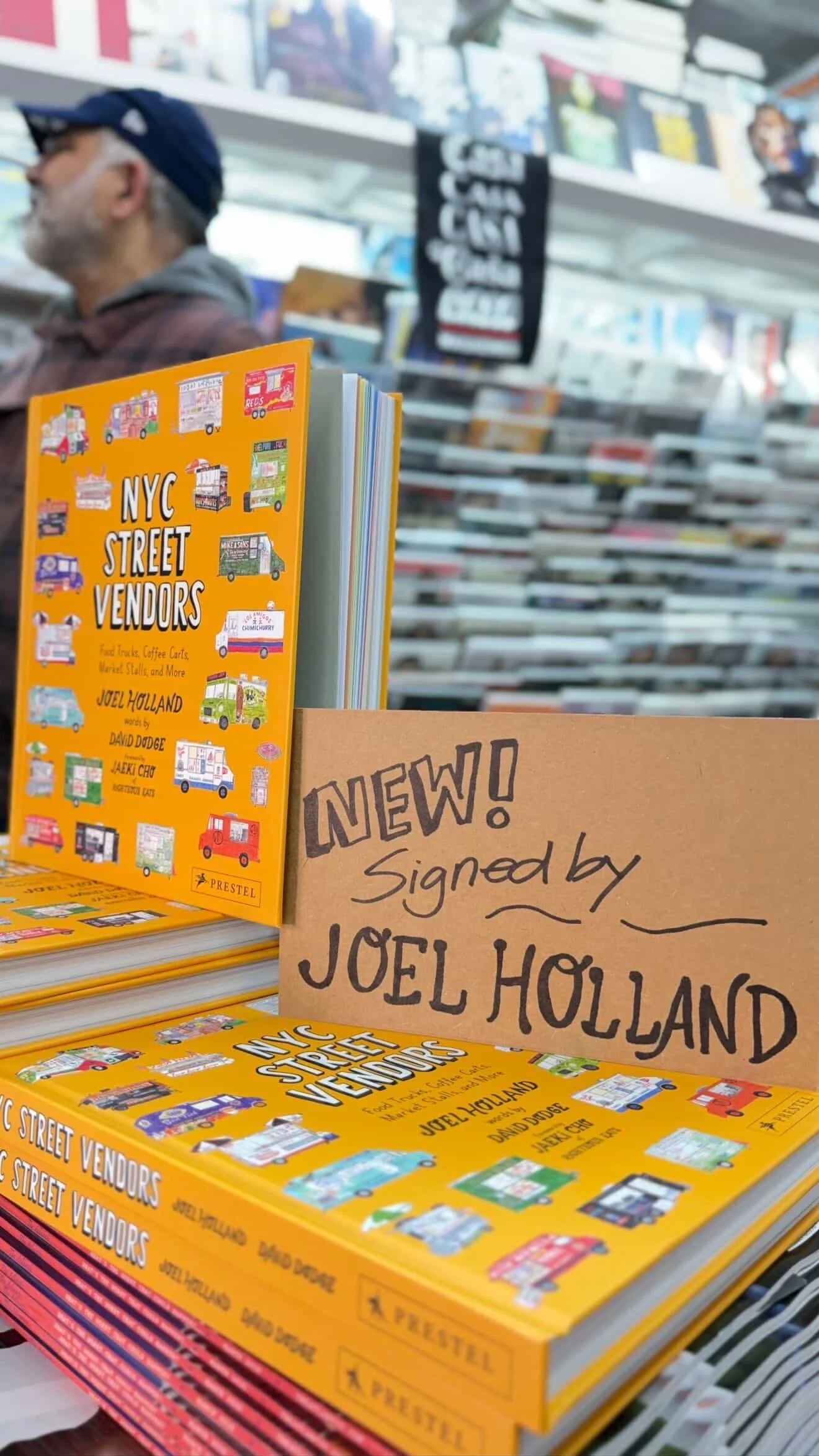
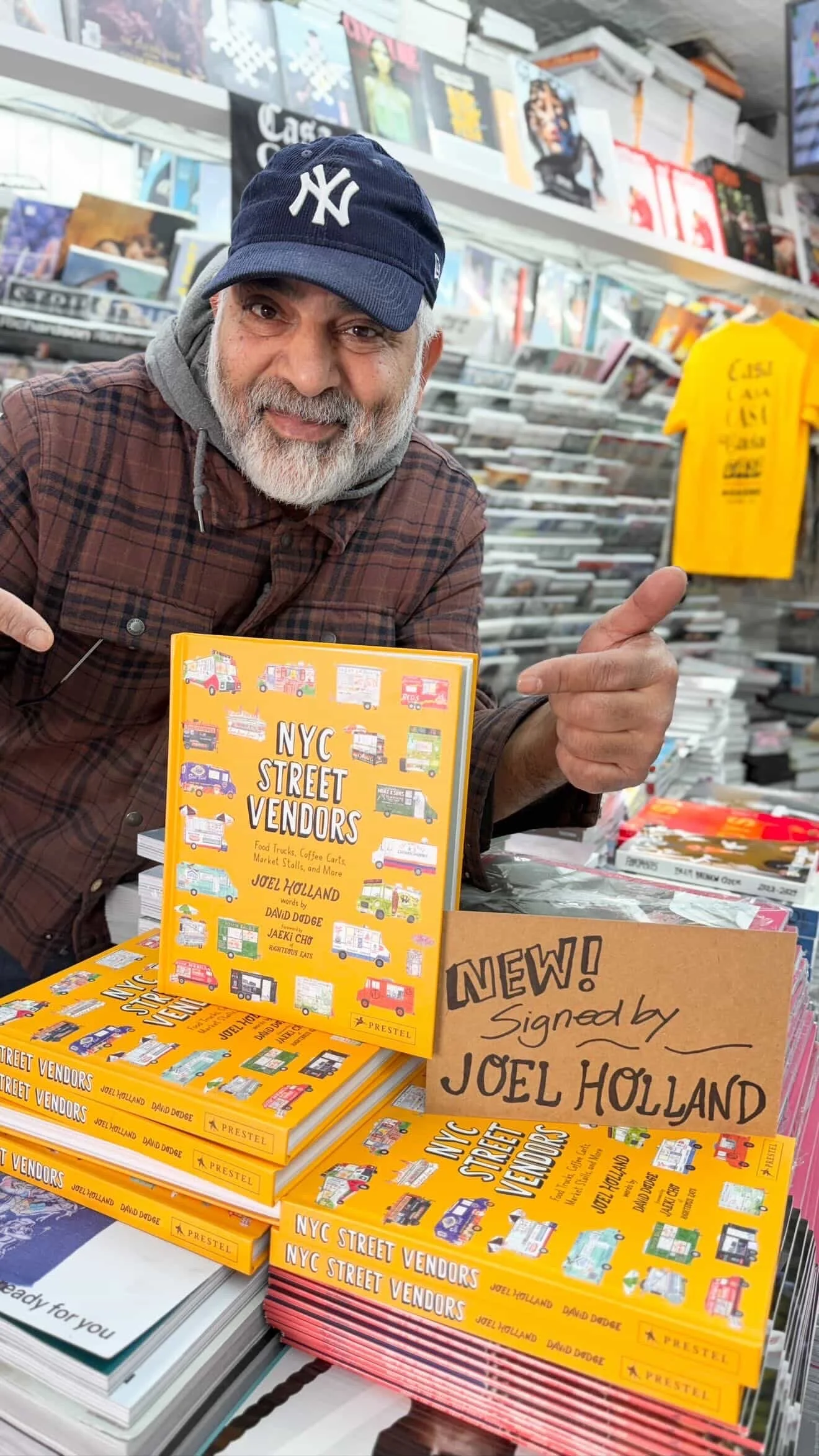
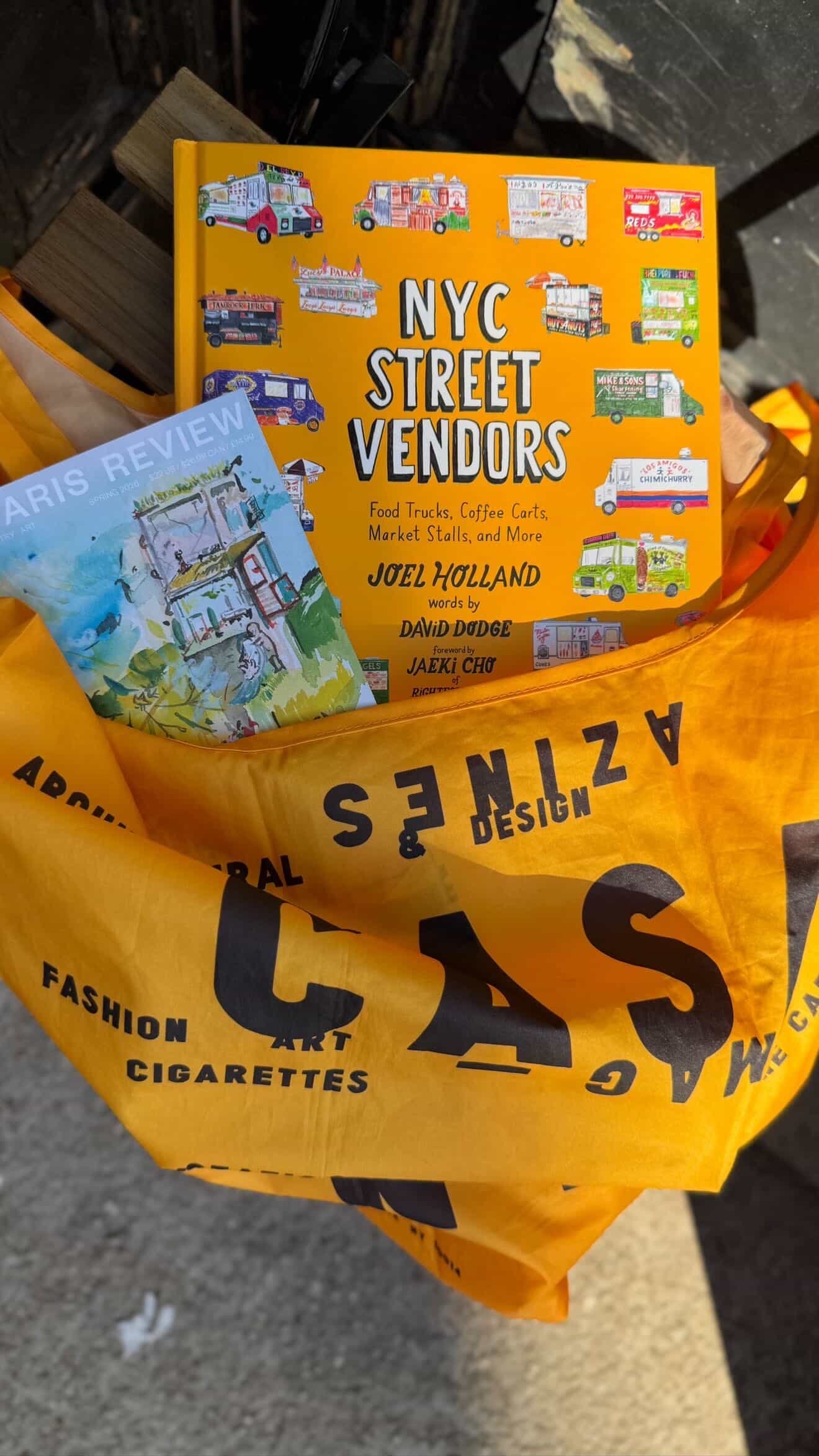
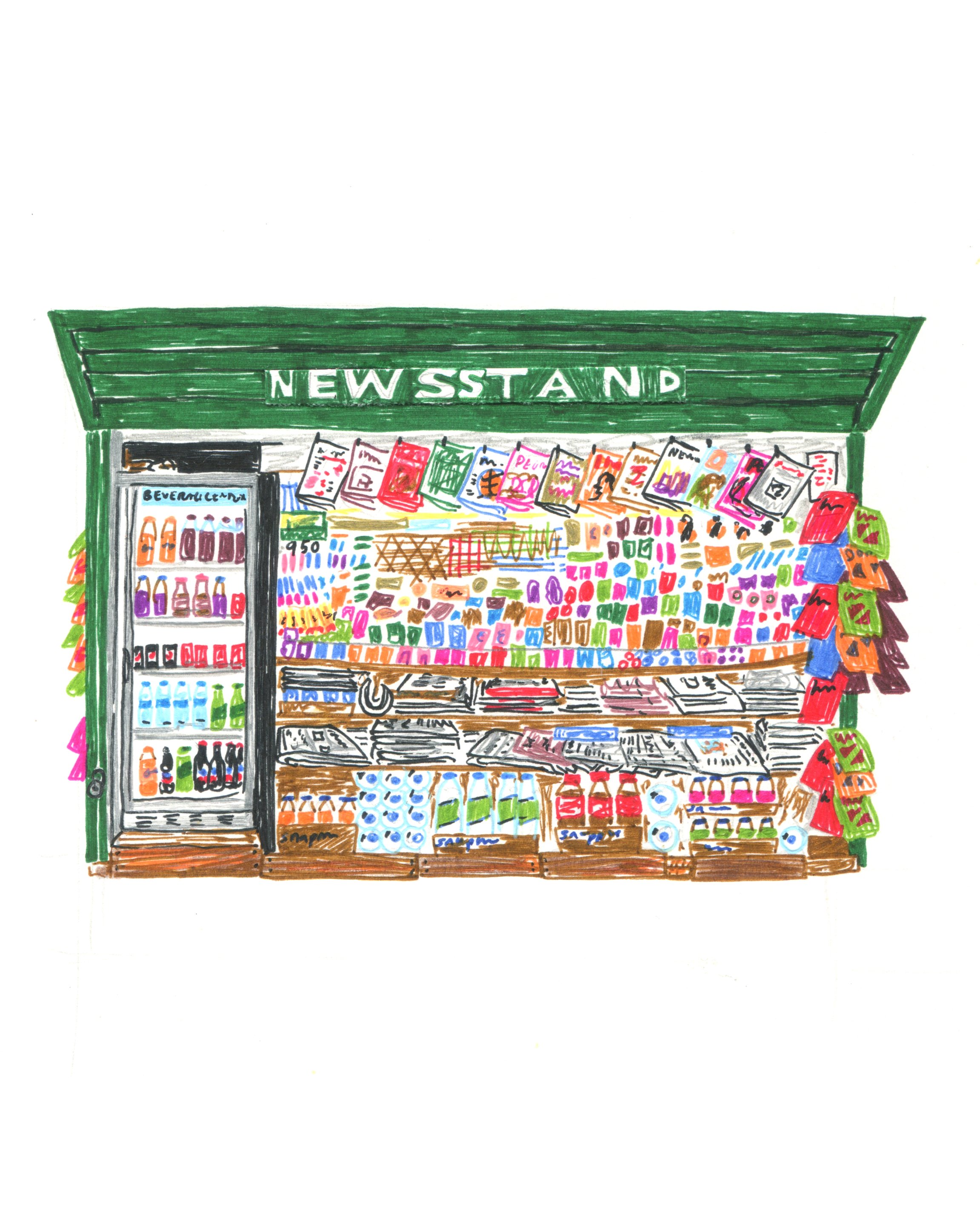
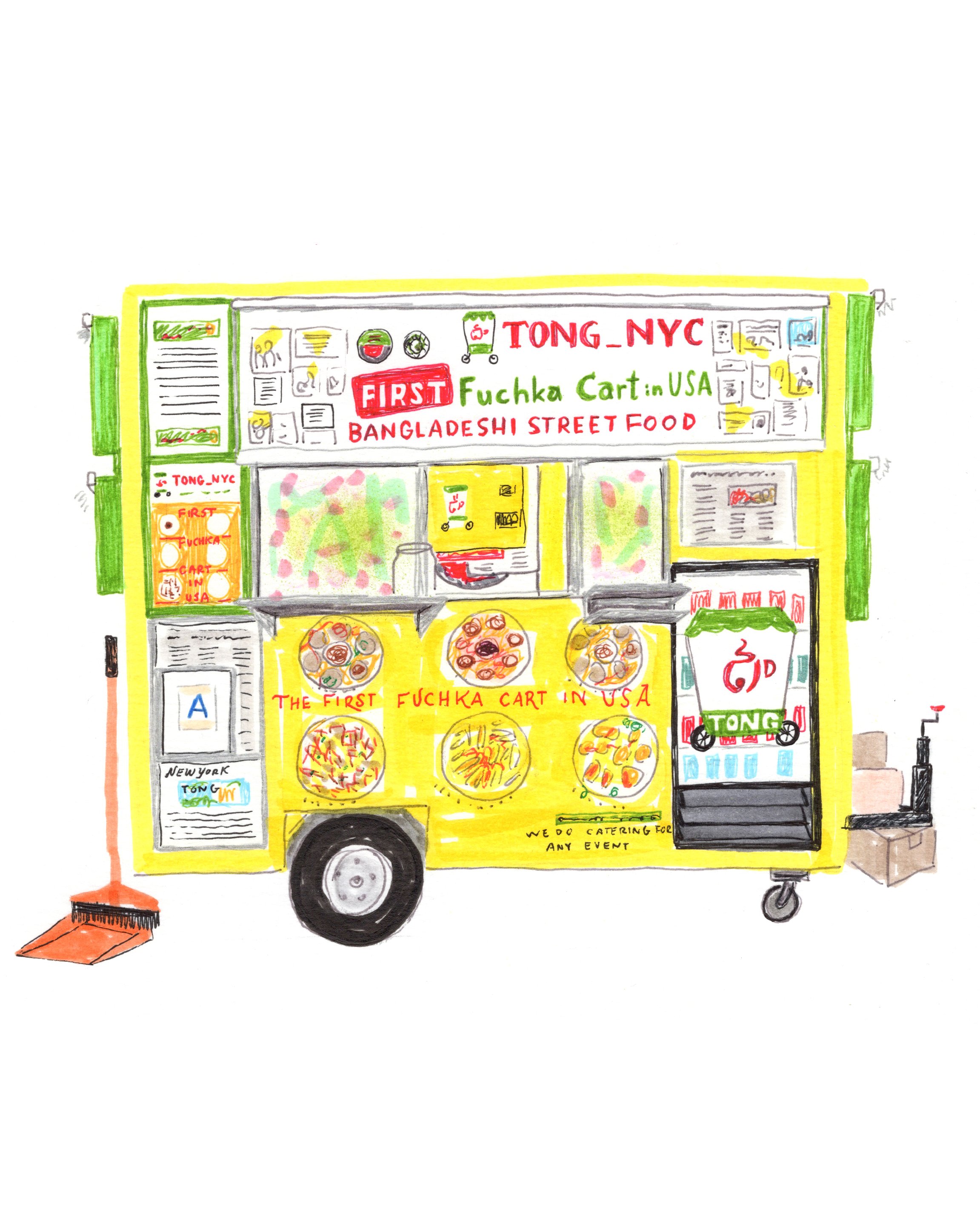
Street vendors form one of New York’s most stable systems. They appear every morning, occupy the same corners, and serve the same routes. Their businesses rely on permits, timing, and regular customers. They operate in plain sight and remain easy to overlook. Joel Holland illustrates this economy at the center of NYC Street Vendors, the latest title in his Shopfront series.
The book frames street vending as essential infrastructure. It presents what the publisher describes as “a visual love letter to the food carts, market stalls, and sidewalk entrepreneurs that give New York City its flavor, grit, and humanity.”
These businesses serve office workers, night shifts, tourists, and residents. They function without leases or fixed interiors. They rely on repetition and trust.
Coverage spans all five boroughs. From halal trucks in Queens to mango stands in the Bronx, churro sellers in Brooklyn to taco bikes in Manhattan, the book brings together more than 150 curbside operations. The range shows how food access and informal commerce vary by neighborhood while remaining constant in presence.
The project builds on earlier Shopfront volumes focused on Manhattan and Brooklyn storefronts. This edition shifts attention to mobility. As the description notes, it focuses on “the vibrant community of rolling kitchens, pop-up stands, and independent sellers.” Text by David Dodge documents locations and histories. A foreword by Jaeki Cho places the work within daily eating habits.
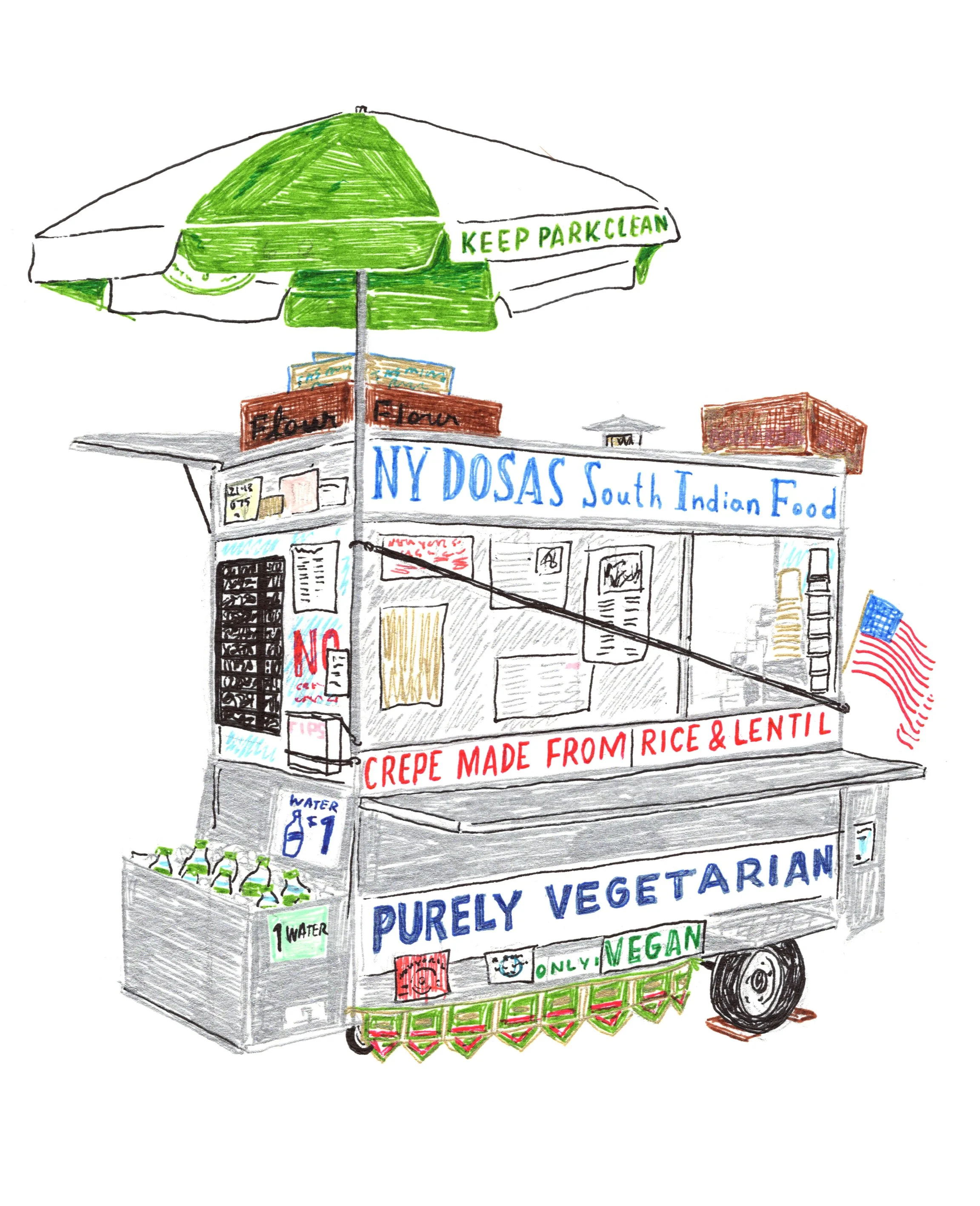
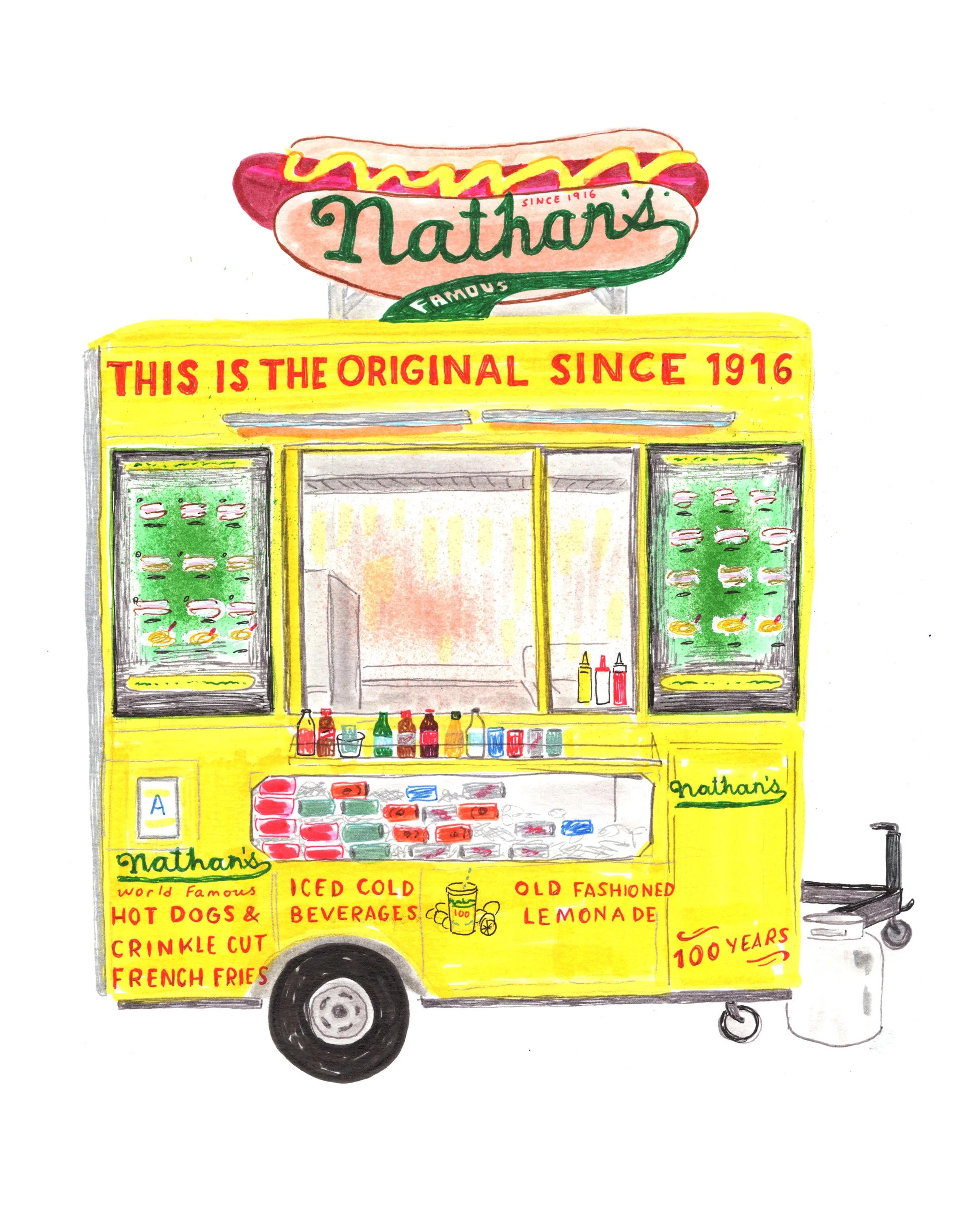
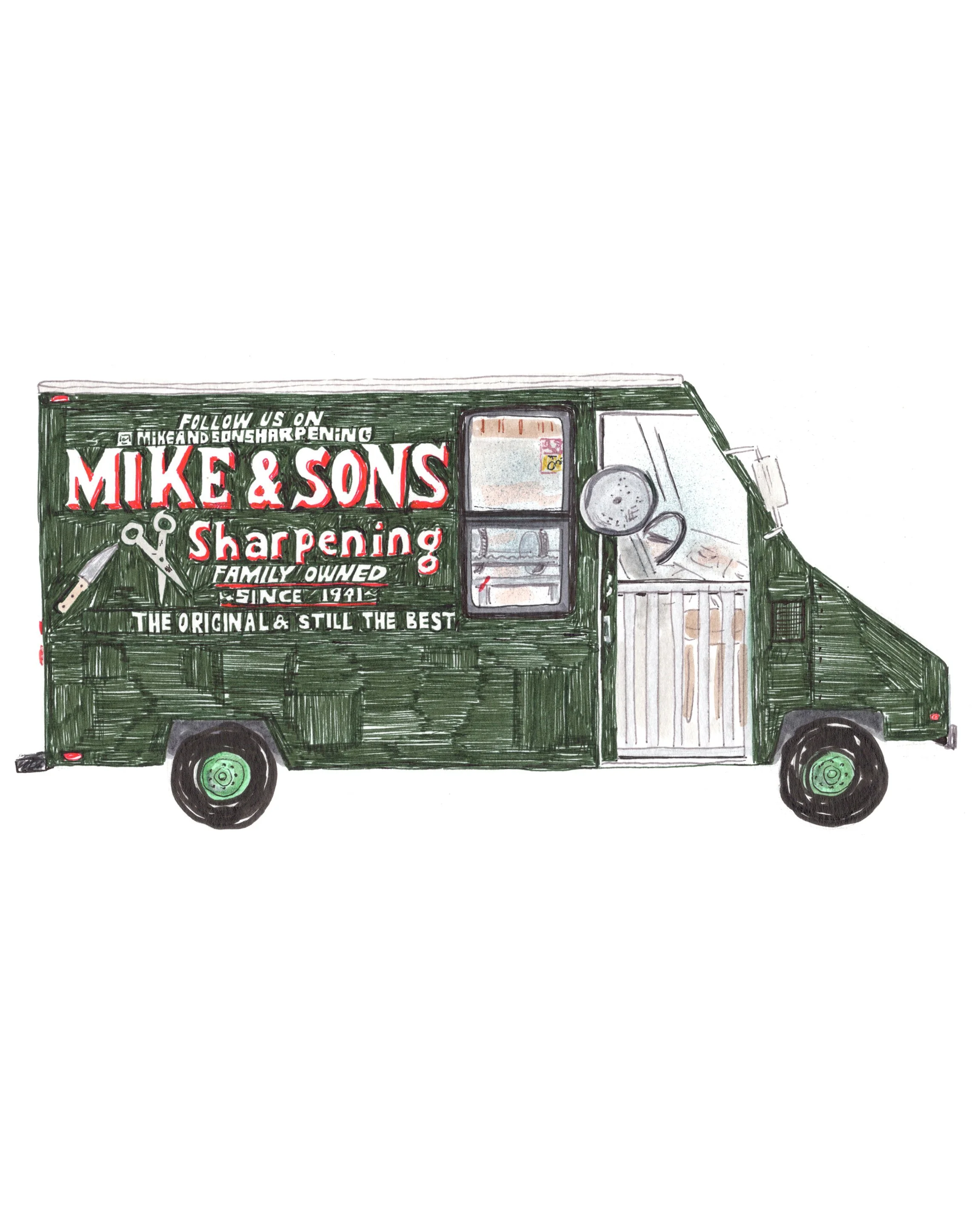
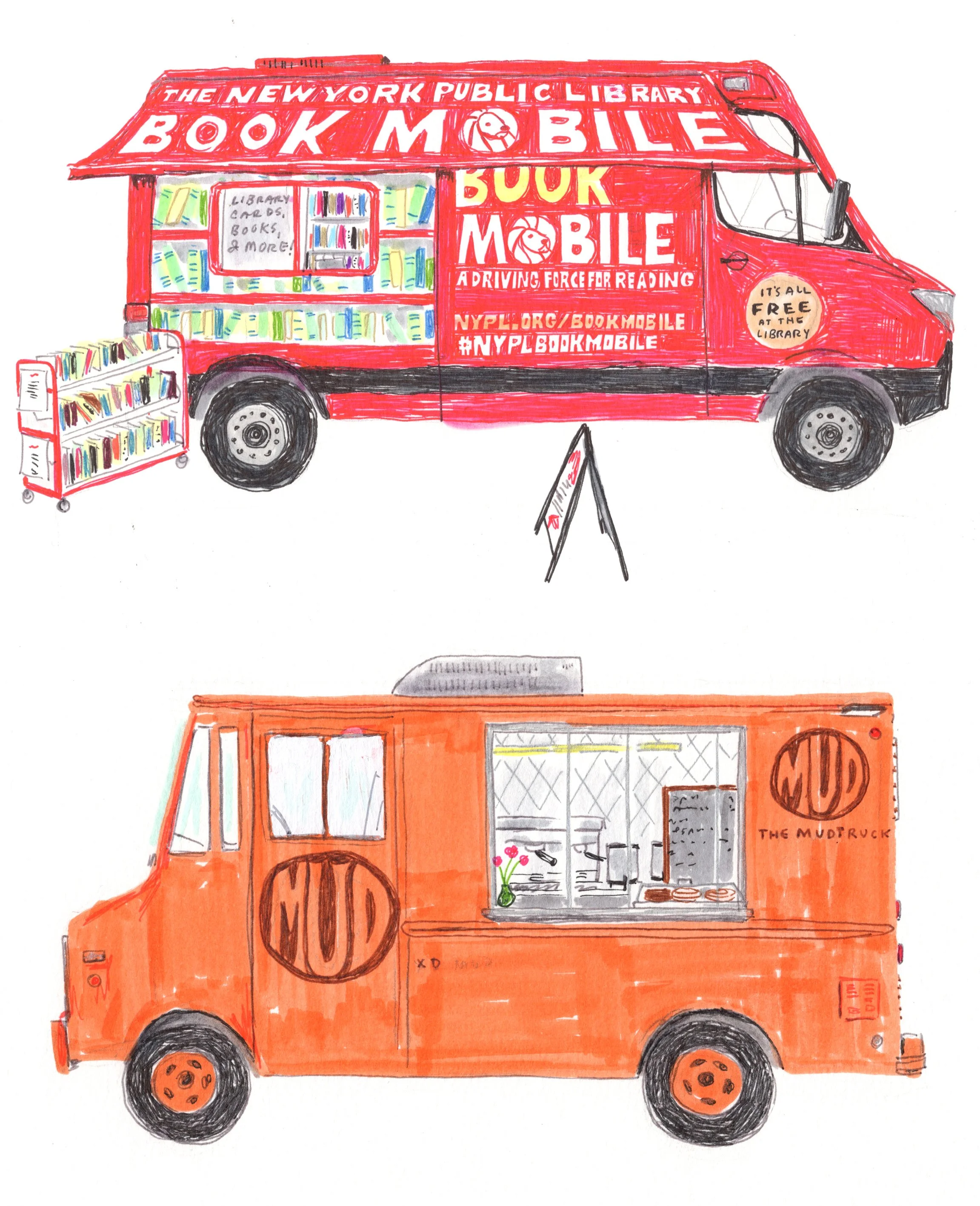
Longstanding vendors sit beside newer operations. The book includes fixtures such as NY Dosas, Mister Softee, and The Arepa Lady, alongside musubi carts, knife-sharpening trucks, Jamaican jerk vendors, mobile bookstores, and the Union Square Greenmarket. Many vendors are immigrants whose work, as the book states, “has helped shape the cultural fabric of the five boroughs.” New York moves fast. These businesses keep it fed.