The 2026 Mirror: Fritz Lang’s METROPOLIS Prophecy and the Art of Christian Montenegro
The year is 2026 and for most, it is just another turn of the calendar, but for those who follow the map of science fiction, it is a significant year.
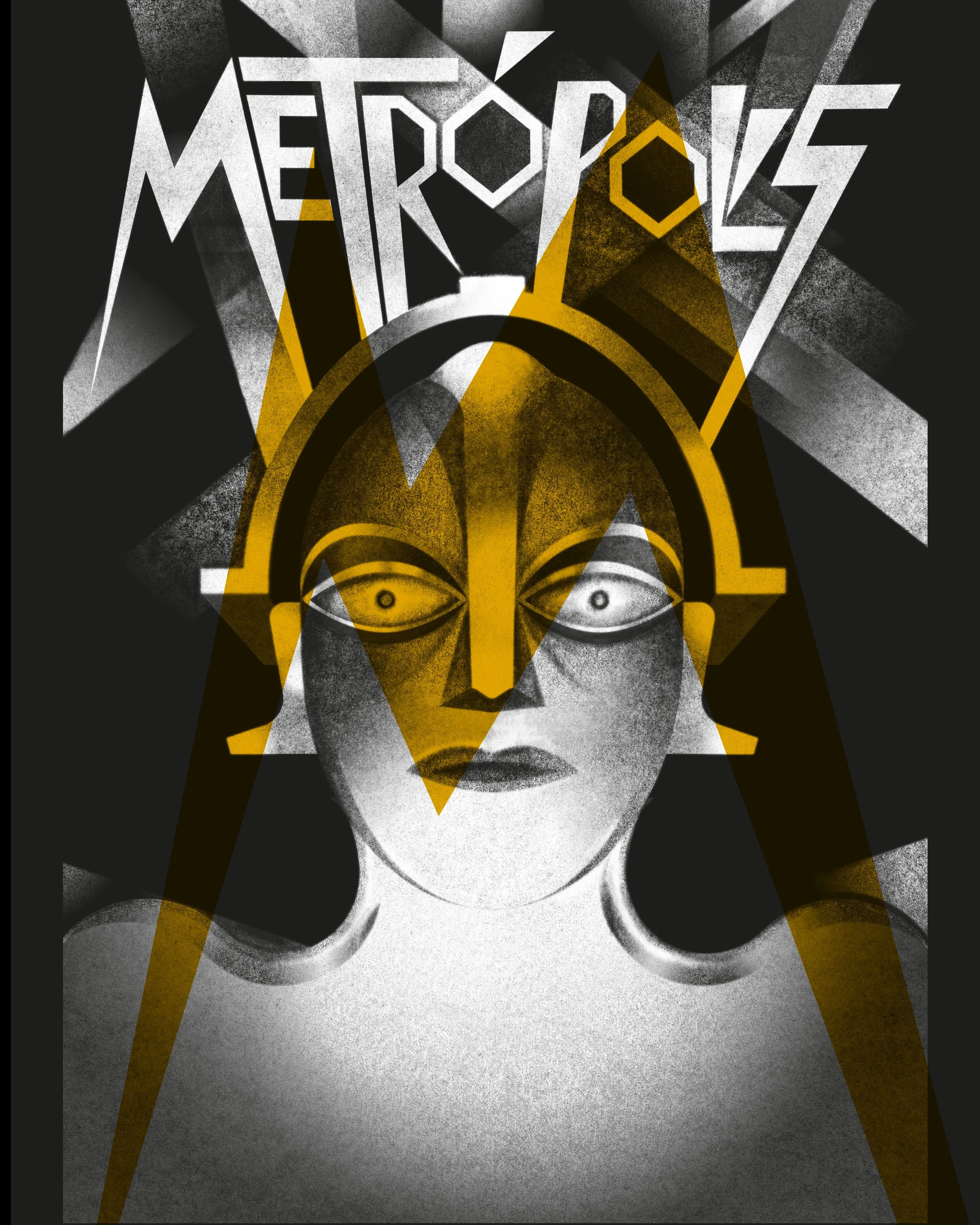
This week, we’re looking at the striking illustrated edition of Metropolis by Christian Montenegro, and the timing is noteworthy.
A century ago, filmmaker Fritz Lang looked toward this exact year and saw a chrome-plated dreamscape.
While we do not have the soaring viaducts and flying cars he imagined, we have arrived at his reality in ways that are far more intimate and digital.
The Vertical Divide: From Factories to Phones
In the original story, society is split into two distinct levels. The "Thinkers" occupy beautiful surface gardens, while the "Workers" live in subterranean machine halls.
Lang showed these workers moving their bodies in perfect synchronization with giant pistons, functioning as essential components of a mechanical system.
Today, that underground world has effectively moved onto our screens. Our modern, high-speed world is supported by a global digital economy, often described as "ghost work." Millions of individuals sit at computers or use their phones, labeling data and verifying content. This process helps Large Language Models and other AI systems to learn and function. We are participating in a new form of digital production, moving through predictable digital tasks to keep the vast "Machine" of code and silicon running in a connected rhythm.
The Evolution of the Mind
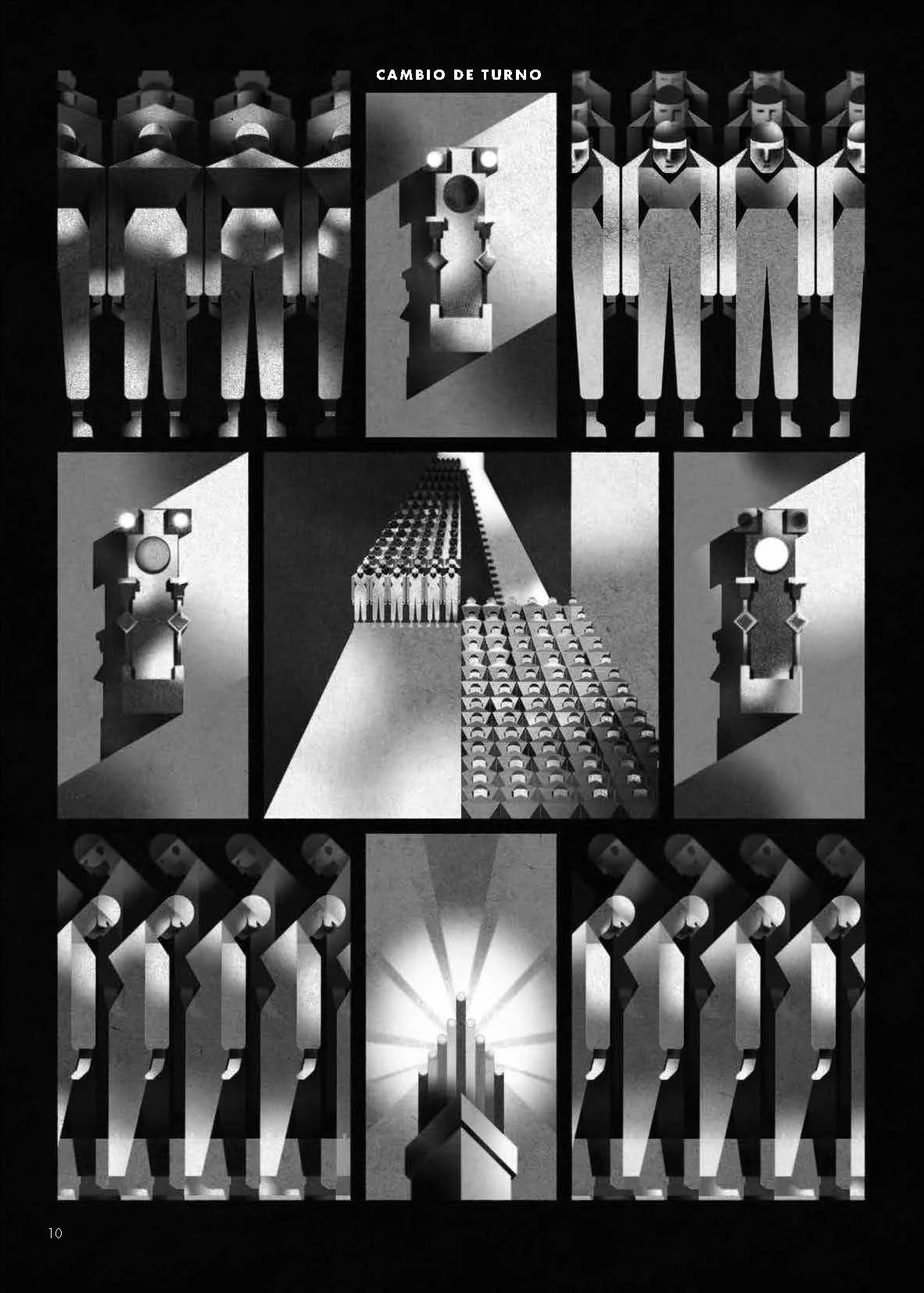
We are witnessing a new era of digital support. In the movie, workers provided the physical strength.
Today, we often utilize our "cognitive brain muscles" in tandem with technology.As algorithms suggest what we watch or AI assists in drafting our thoughts, we are offloading some of our traditional problem-solving efforts. This optimization is akin to using a motorized scooter instead of walking.
This creates a reciprocal cycle: as we use these tools, we are also teaching them how to be more integrated and engaging. This continuous loop keeps us connected to a system that, like the workers in the film, operates most efficiently with our sustained attention.
The Prophet’s Map
Other visionaries predicted this digital infrastructure. Vernor Vinge anticipated "Always On" augmented reality, where we integrate digital data overlays directly with the real world. William Gibson described the internet as a "consensual hallucination" long before high-speed networks were ubiquitous. They mapped the contours of the digital world we now inhabit.
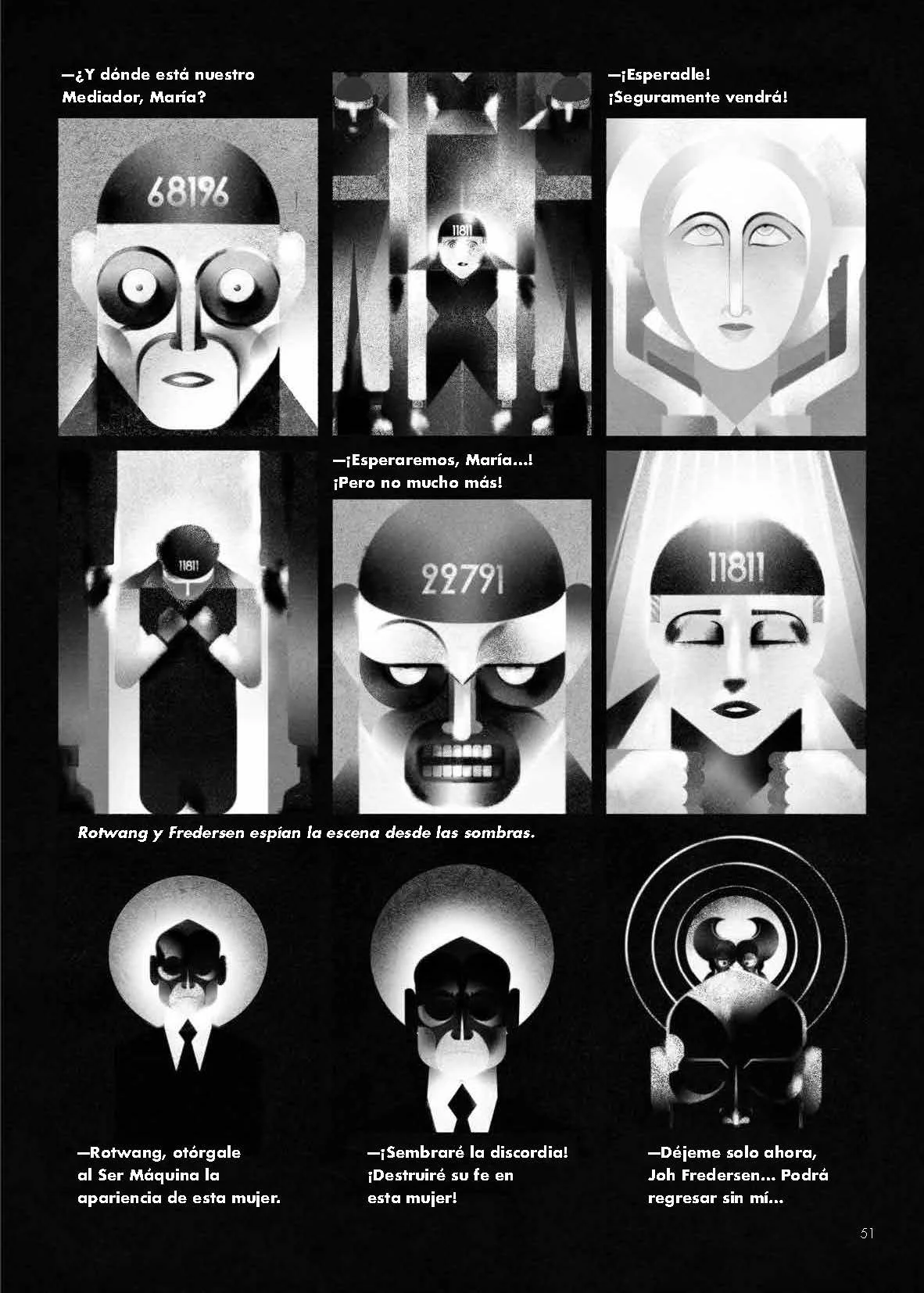
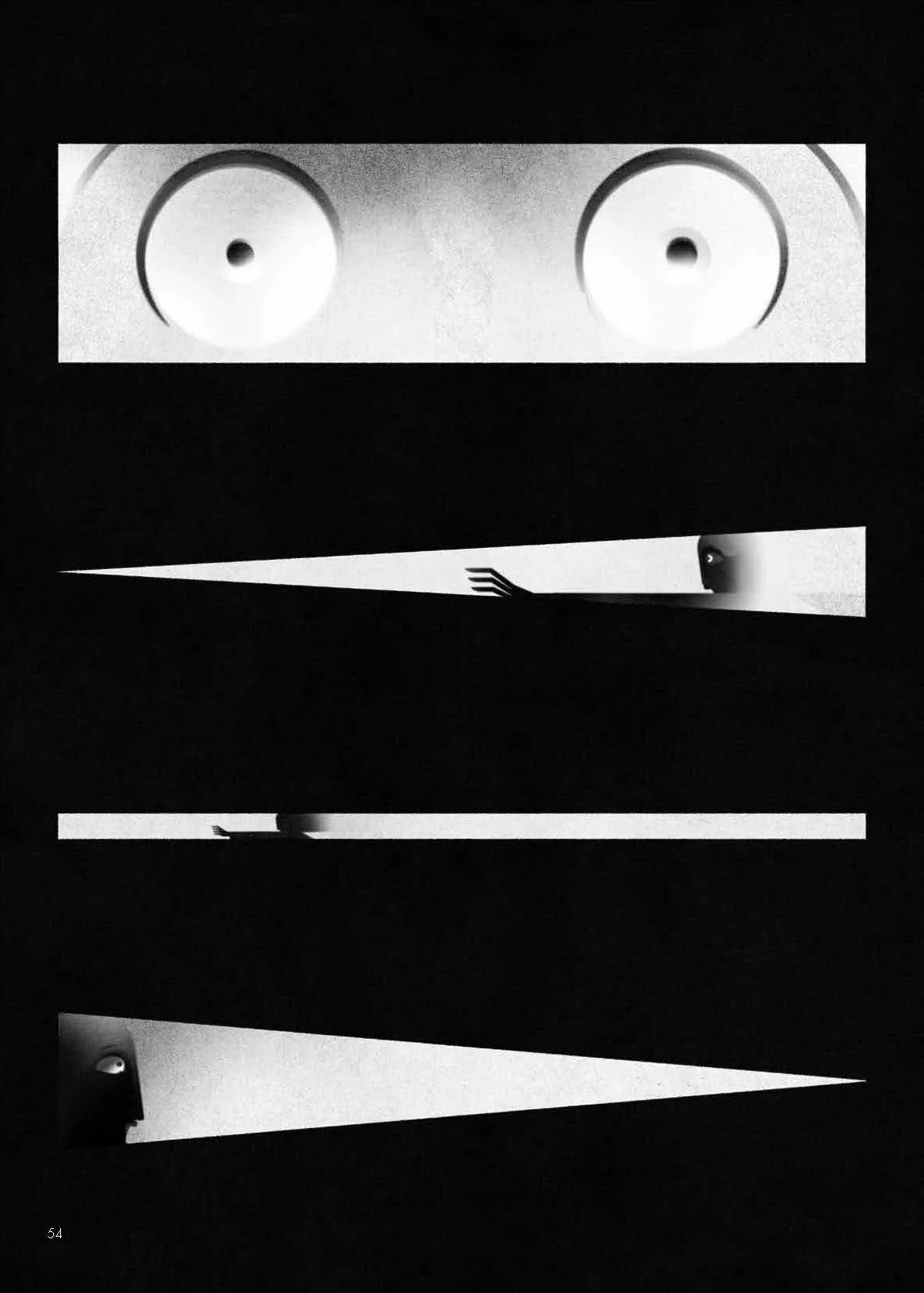
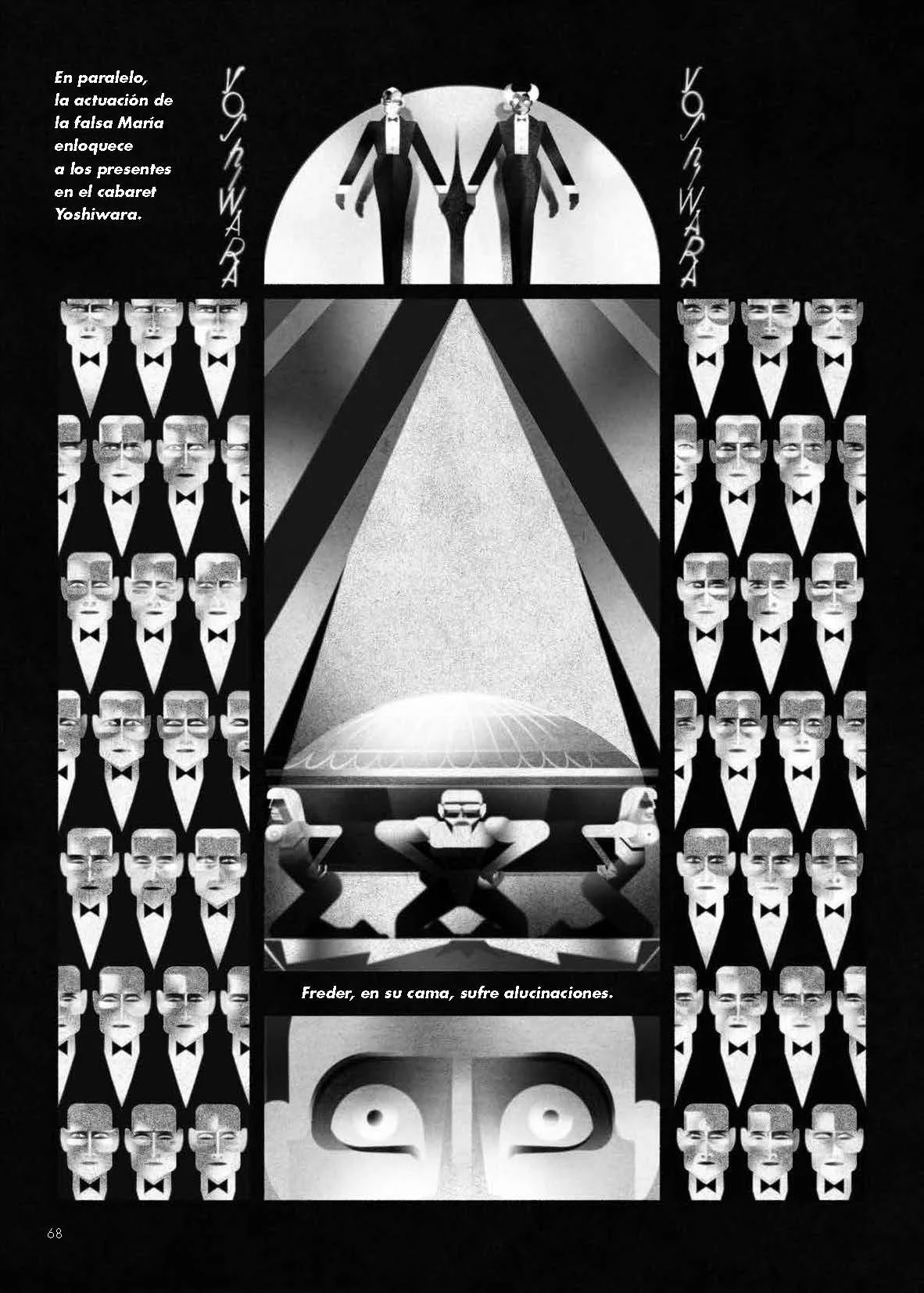
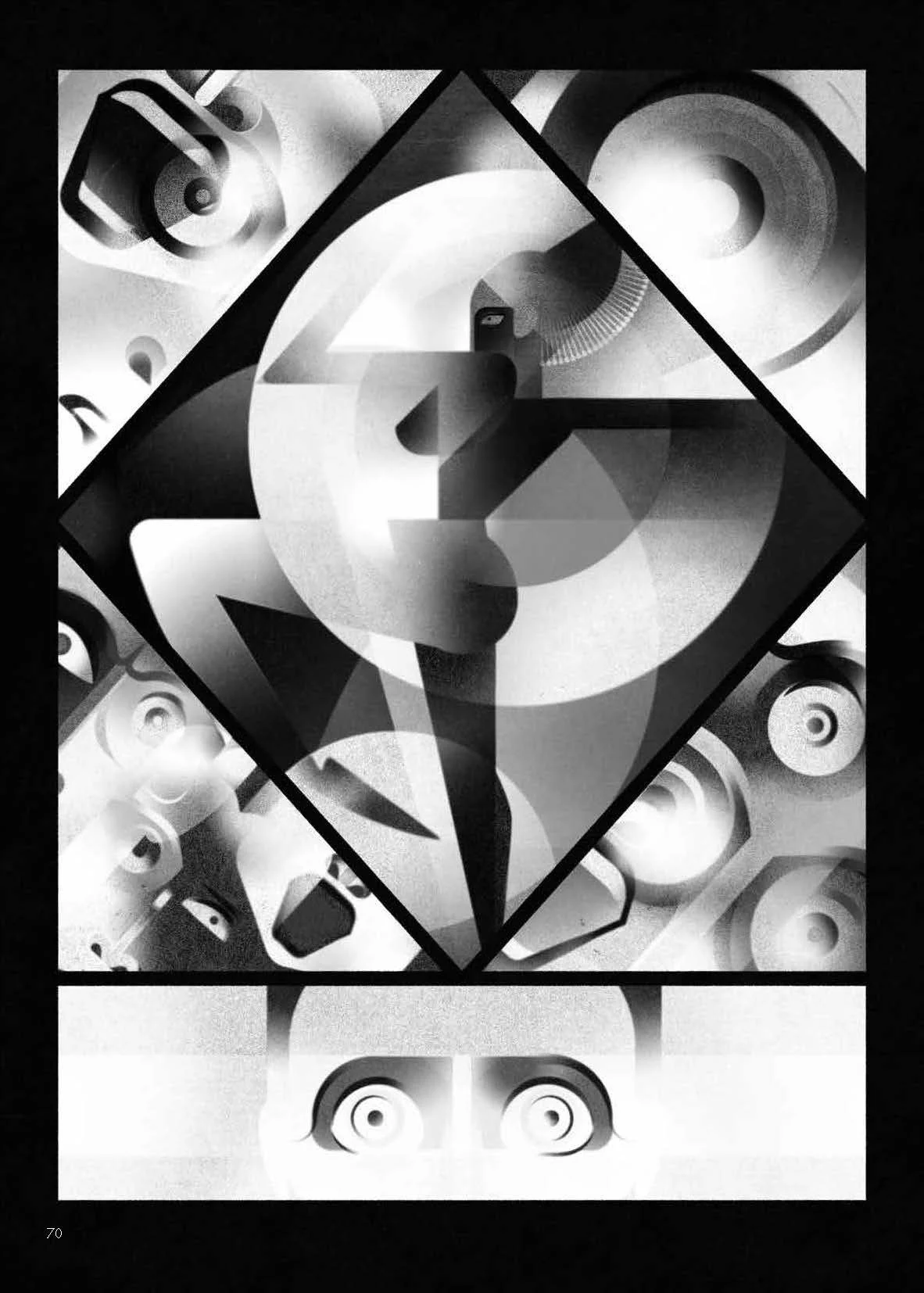
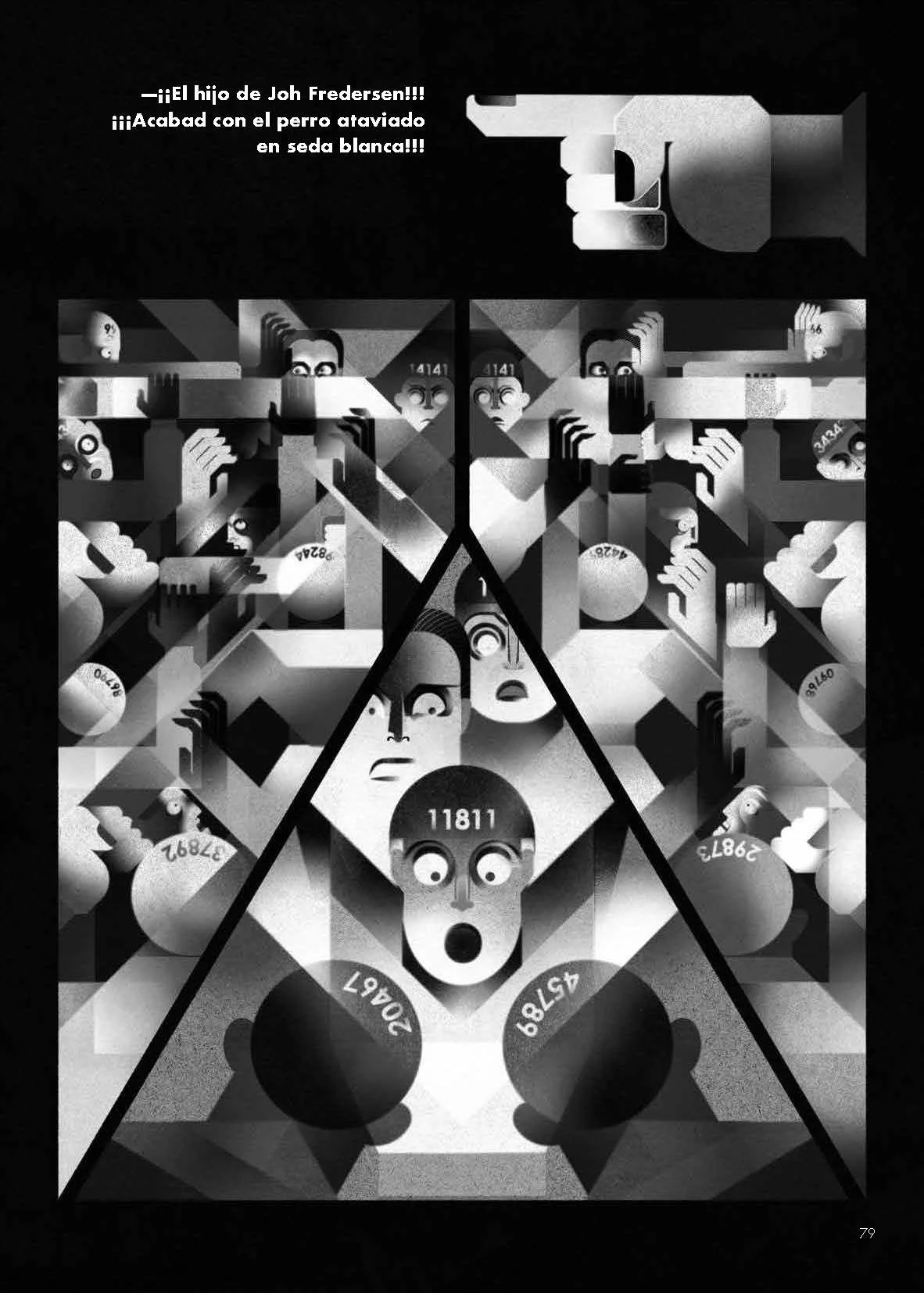
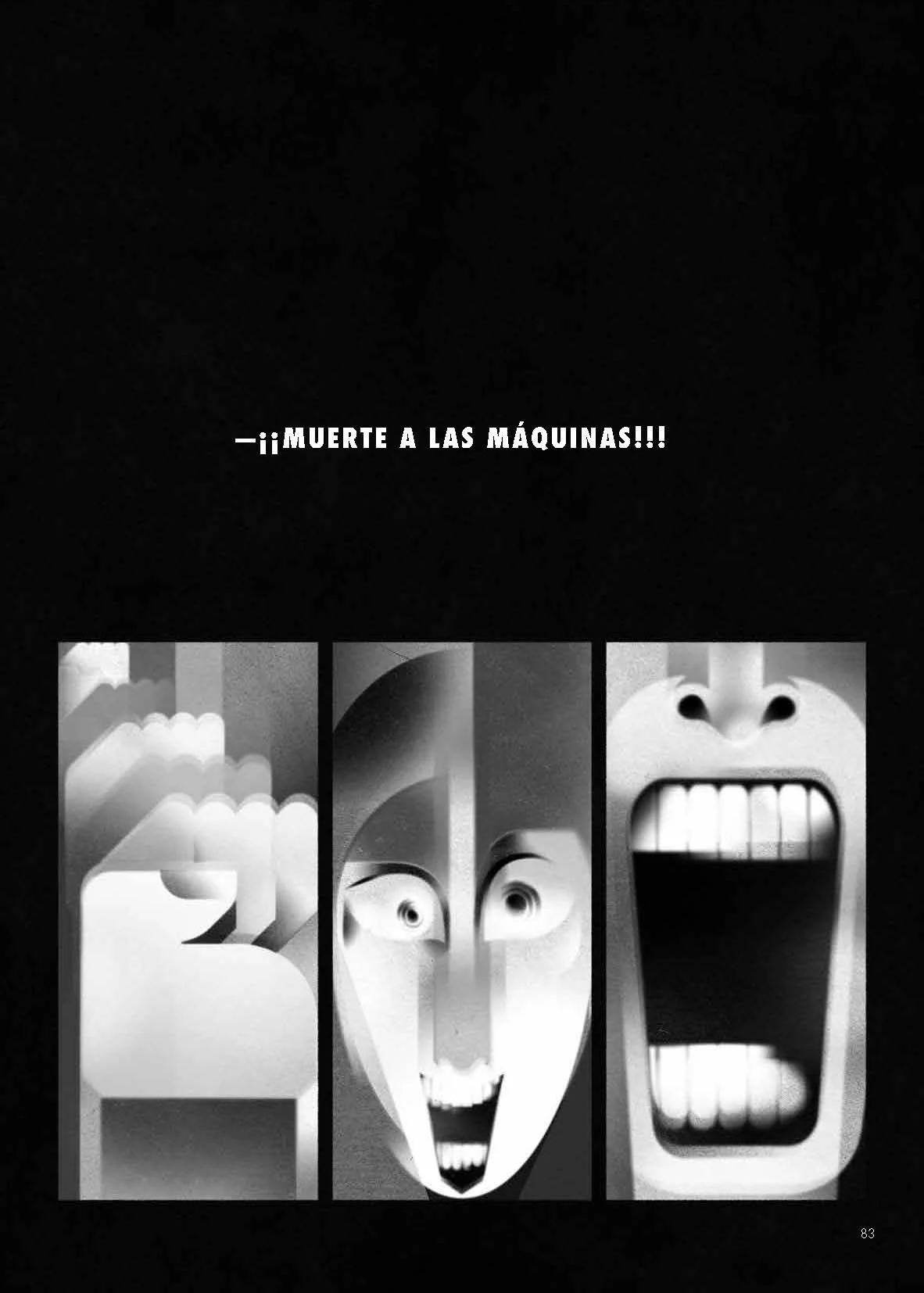
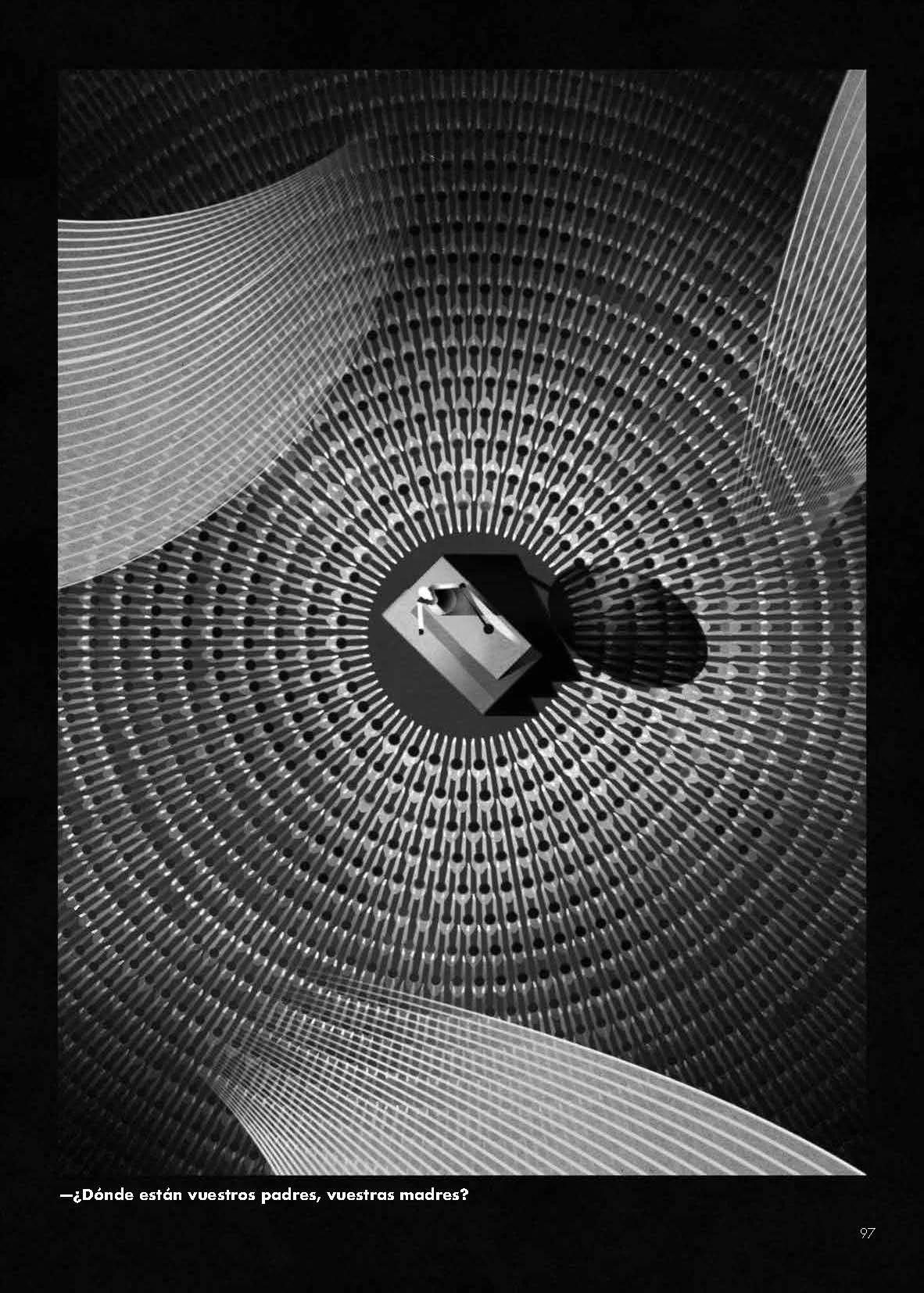
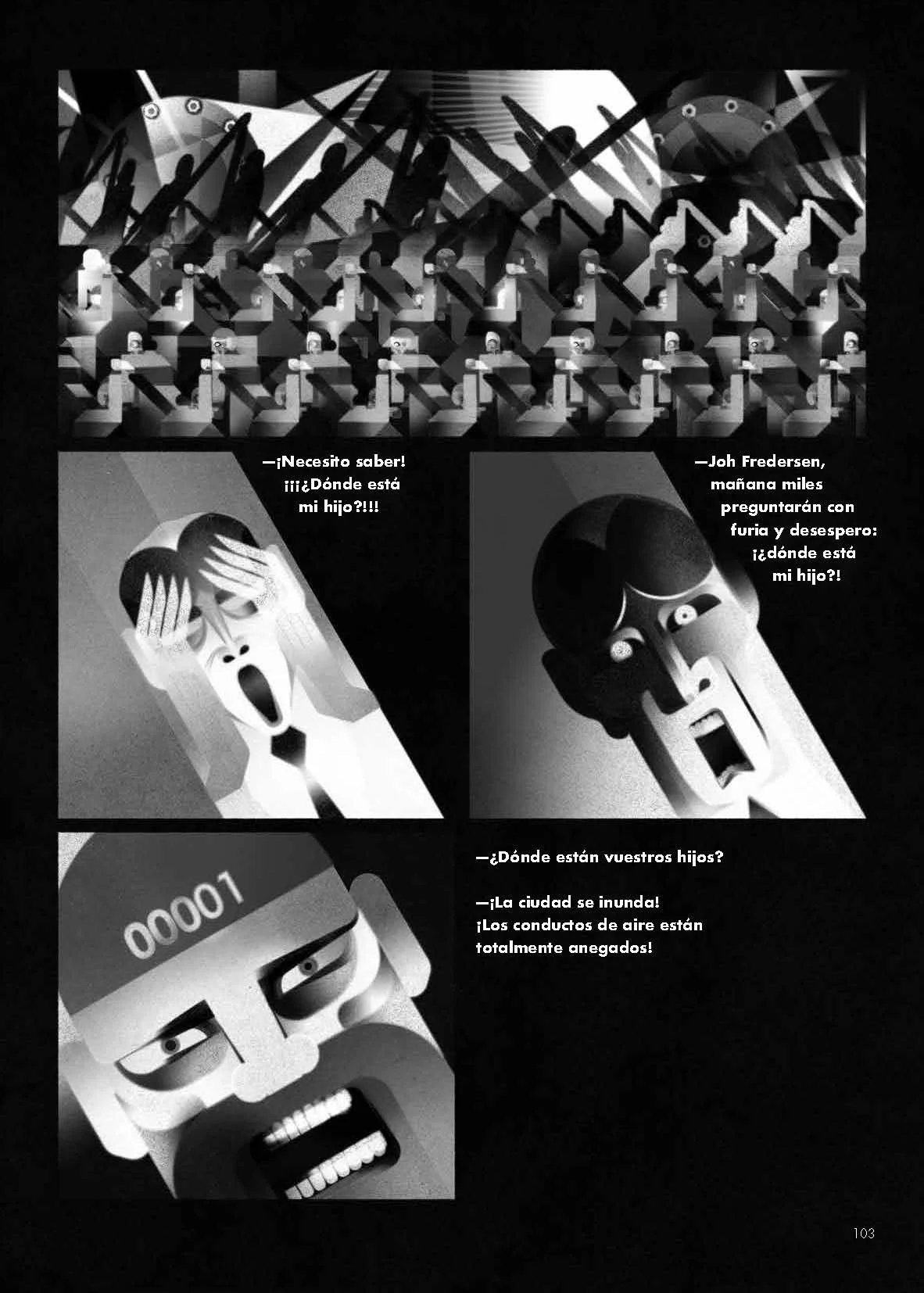
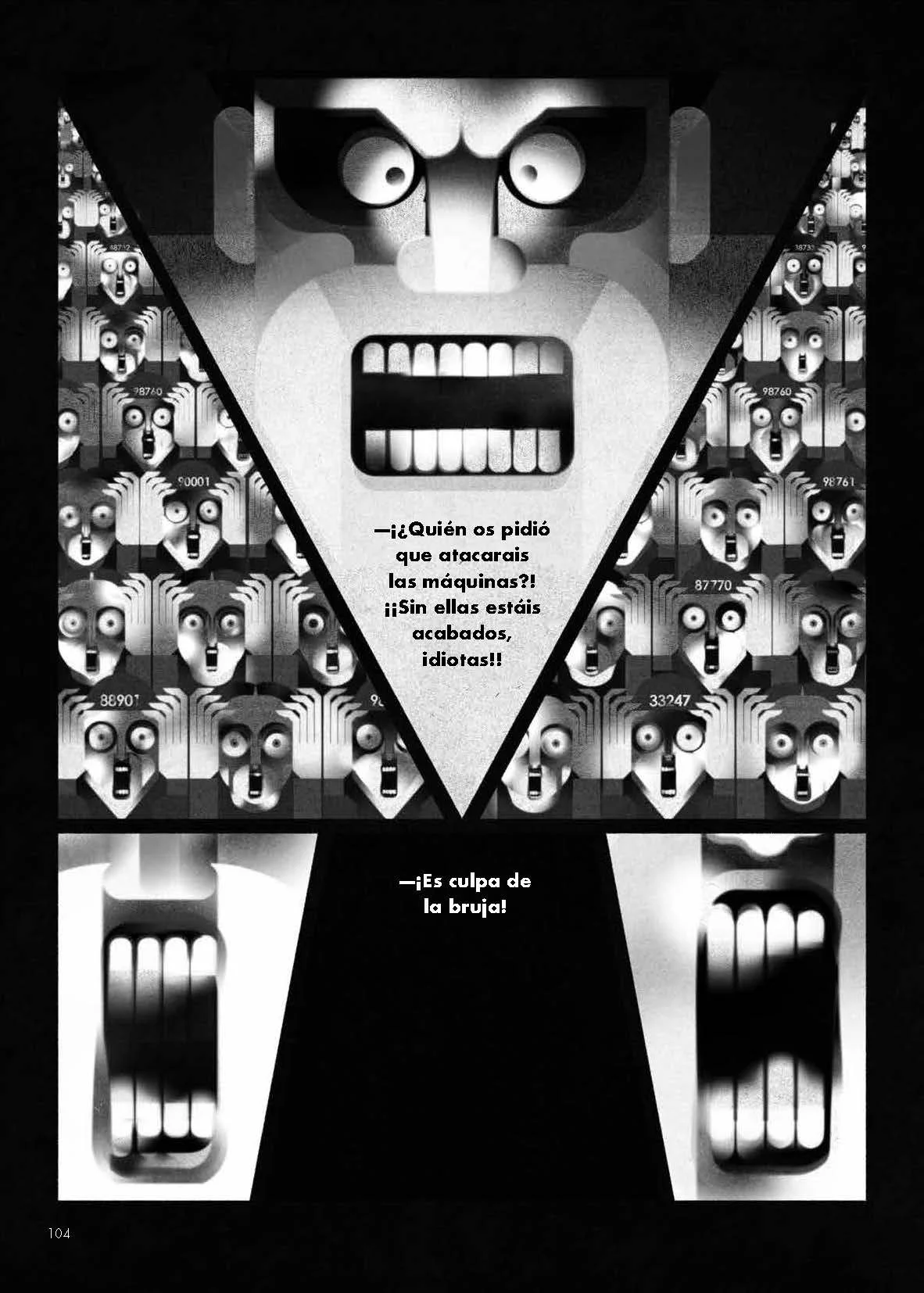
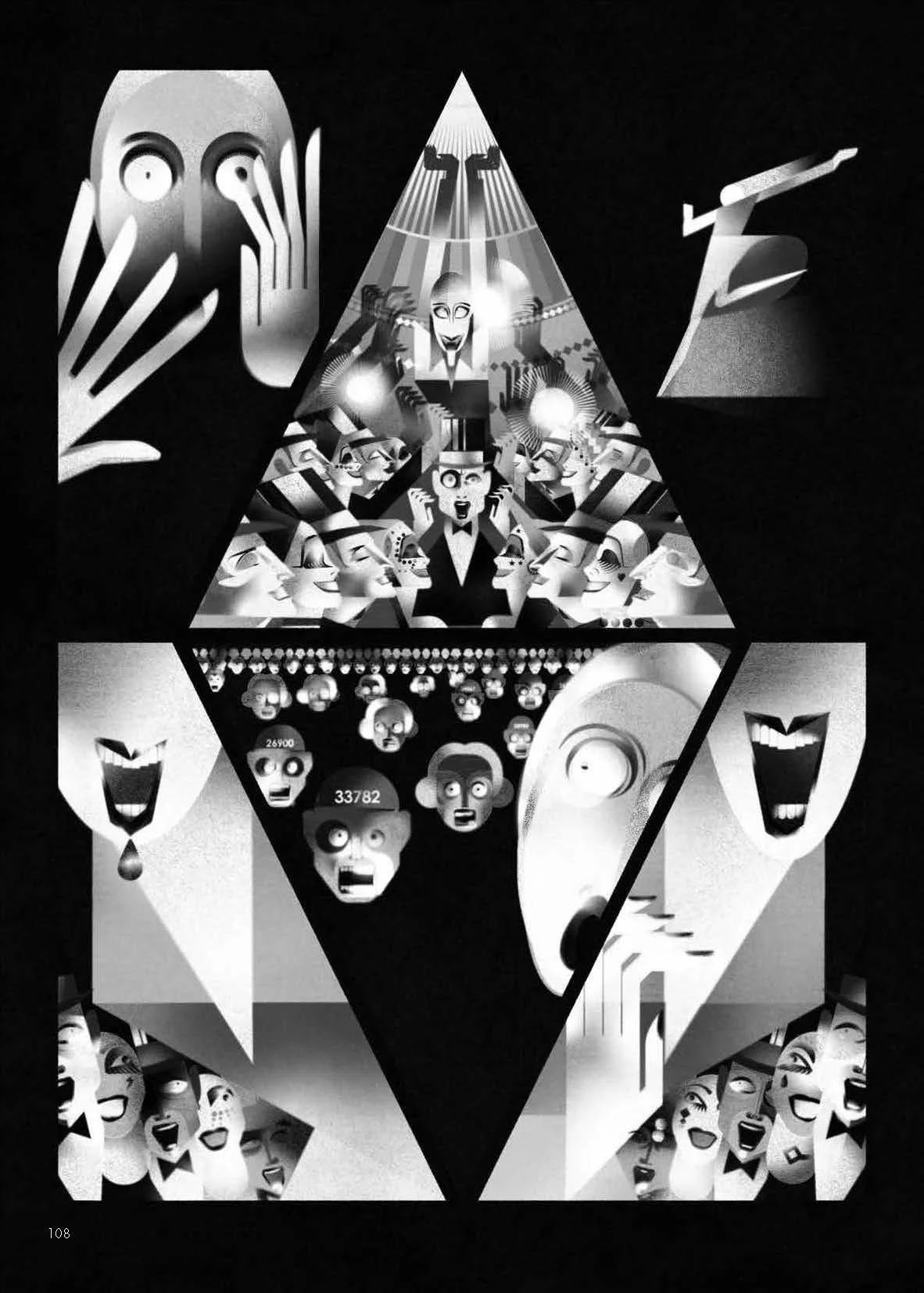
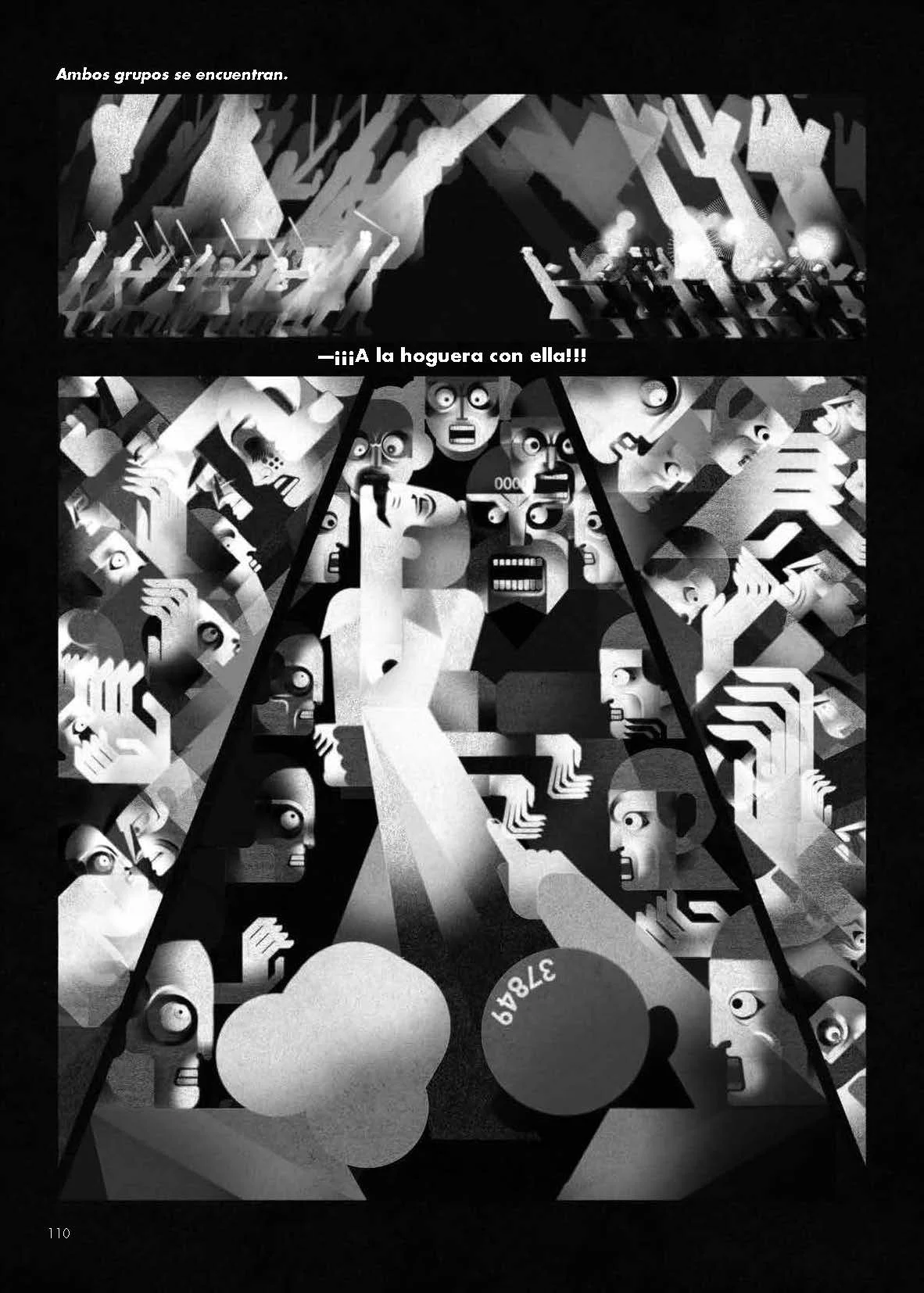
The artist Christian Montenegro illustrates these concepts with unique, forensic precision. His work, as seen in the cover art, blends classic factory aesthetics with modern design, using precise lines and industrial colors.
He focuses on the "human trace," keeping the small, deliberate details and variations that are characteristic of human creation. In an era where purely generative art often strives for seamless perfection, his work is a tactile reminder of the artist’s individual touch.
The Harmony of Head and Heart
The Maschinenmensch was the first cinematic representation of an artificially created persona, a 1927 predecessor to the digital doubles and deepfakes now present in our social media feeds.Today, AI technology is performing tasks that Lang could never have scripted, and their value is indisputable.
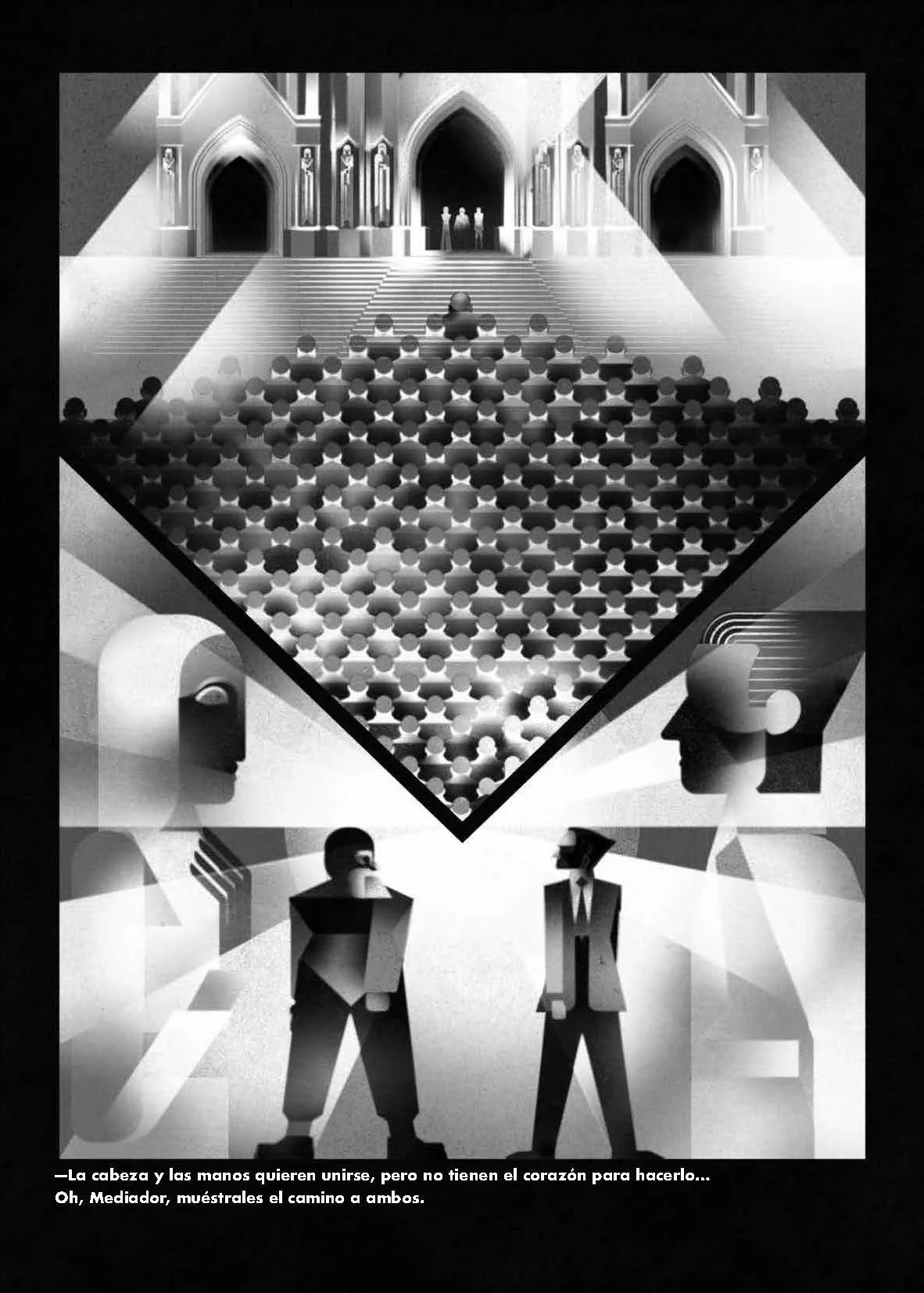
In medicine, AI-driven genome sequencing is identifying rare diseases in days rather than years, saving lives through exceptional processing power. AI is being used to map complex proteins and predict climate patterns at speeds far exceeding previous computational methods.This technology represents a powerful capability. AI can sequence a genome and analyze vast datasets. Yet, the distinct, highly personal images from the unique mind and hand of an artist like Christian Montenegro represent another form of creation. The most compelling achievements emerge from a harmony between calculated capability and human intuition. Metropolis suggests that the best mediator between the head (logic) and the hands (execution) is the heart—a fundamental element that remains uniquely and irreducibly human.