A Cabin Turned Into a Touring Art Show at 35,000 Feet
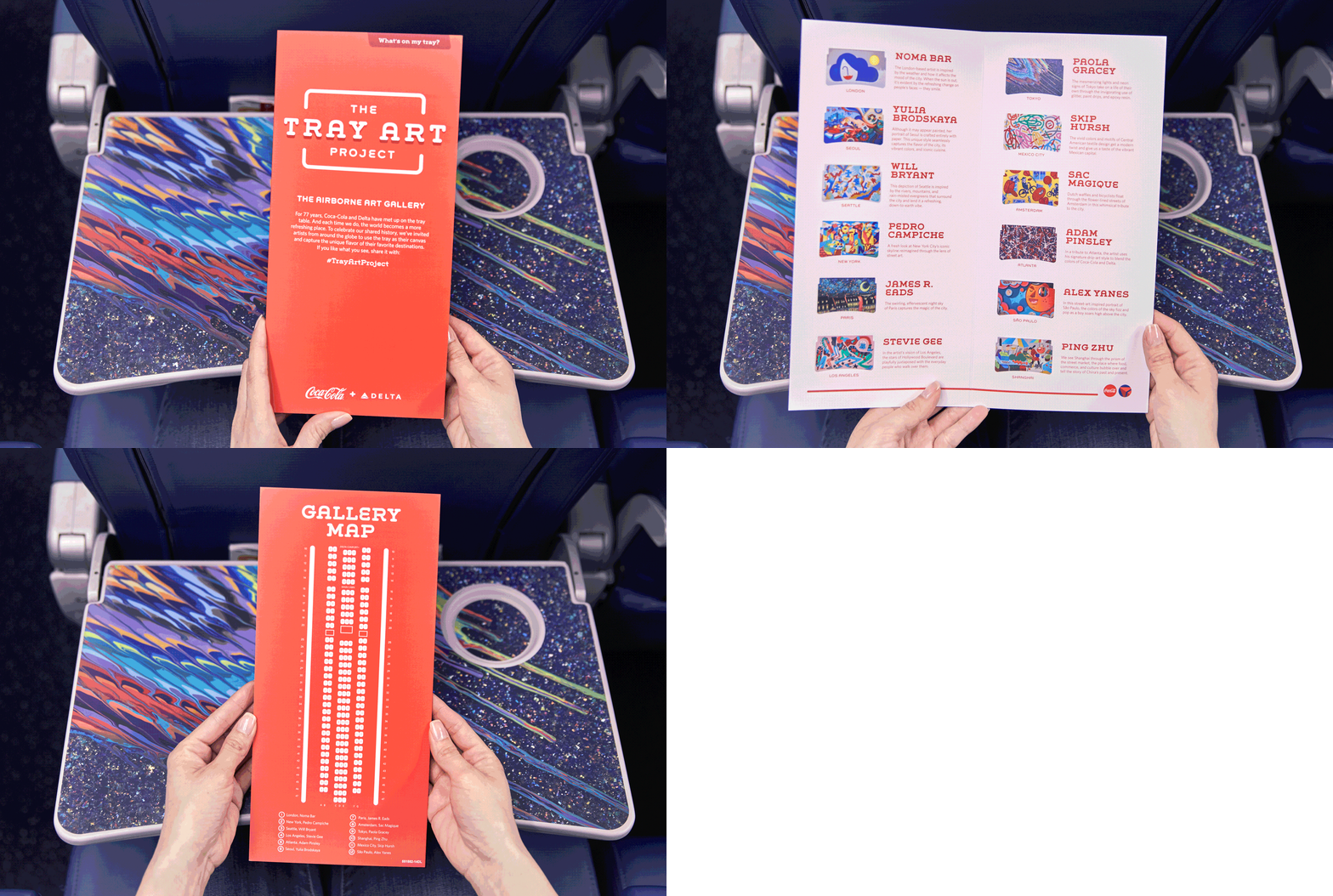
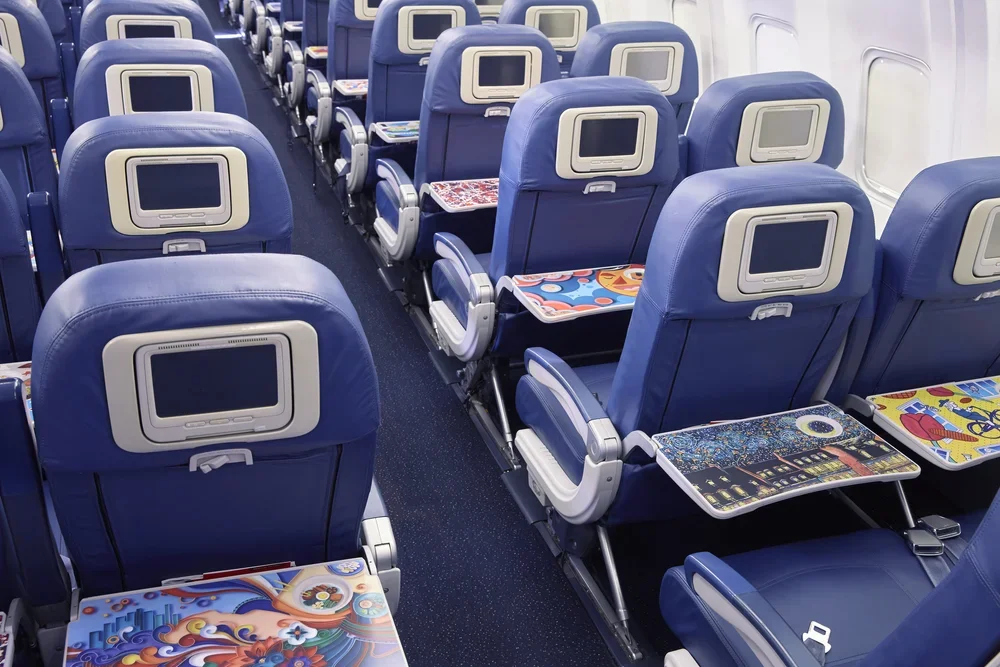
Delta Airlines and Coca-Cola worked with Wieden+Kennedy New York (https://www.wk.com) to reframe an overlooked surface: the tray table on a Boeing 767. The plan called for twelve illustrators from across the world to treat the tray as a small panel for a city. The result became a travelling gallery seen at arm’s length by every passenger.
Ping Zhu painted Shanghai through the steady pace of its street markets. Figures move between stalls. Produce and fabrics sit in straightforward arrangements. The image shows a city shaped by daily routine. Noma Bar focused on weather and mood. Stevie Gee (https://steviegee.com) reached for the familiar signs of Hollywood Boulevard. The wider group extended to artists from Amsterdam, Mexico City, Paris, São Paulo, Seoul and Tokyo.
A Global Line-Up
The full roster featured Sac Magique (https://sacmagique.com), Adam Pinsley (https://www.instagram.com/adampinsley), Skip Hursh (https://skip.hursh.co), Pedro Campiche (AkaCorleone) (https://akacorleone.com), James R. Eads (https://www.jamesreadsart.com), Alex Yanes (https://alexyanes.com), Will Bryant (https://willbryantplz.com), Yulia Brodskaya (https://www.artyulia.com) and Paola Gracey (https://www.instagram.com/paolagracey).
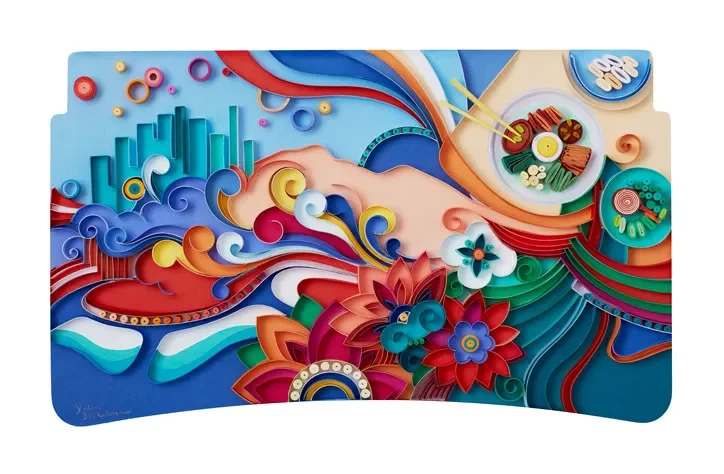
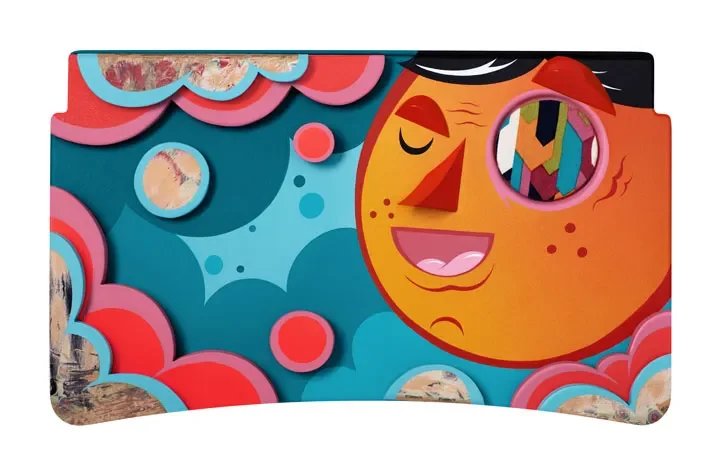
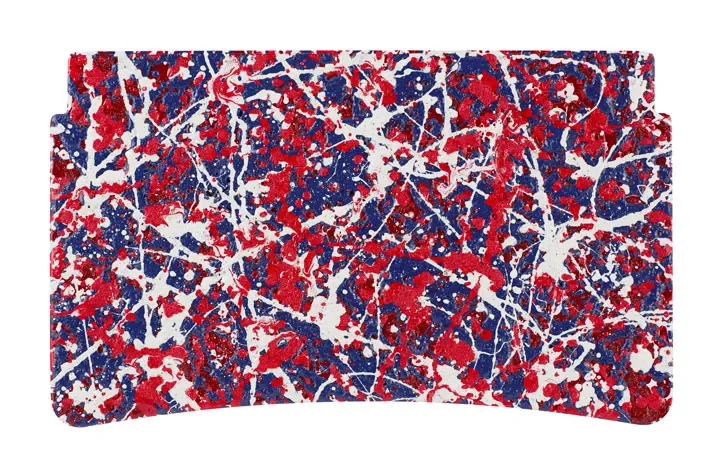
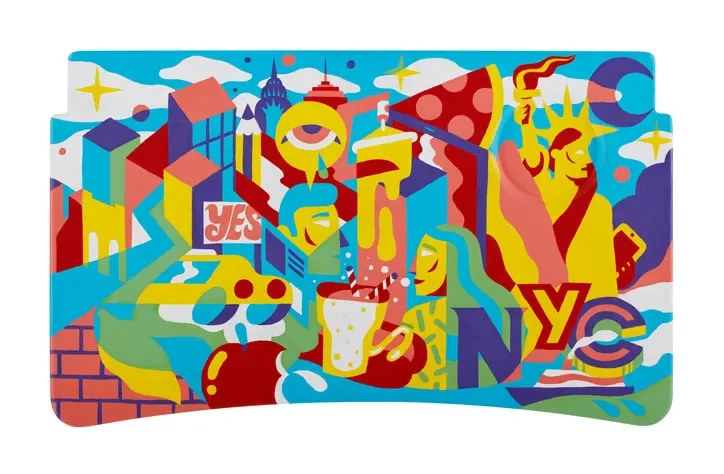
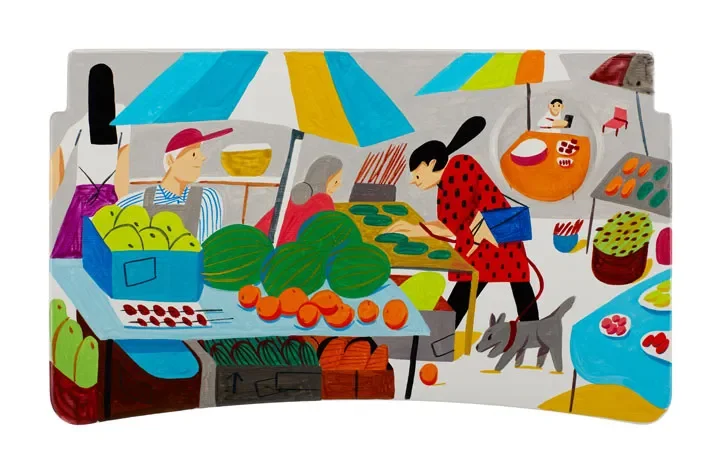
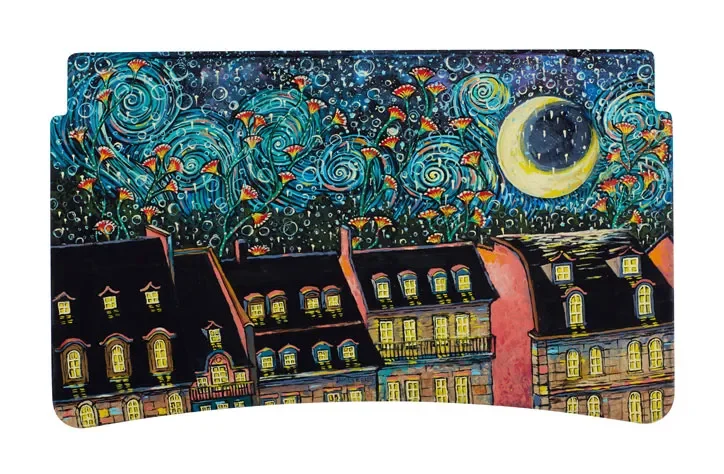
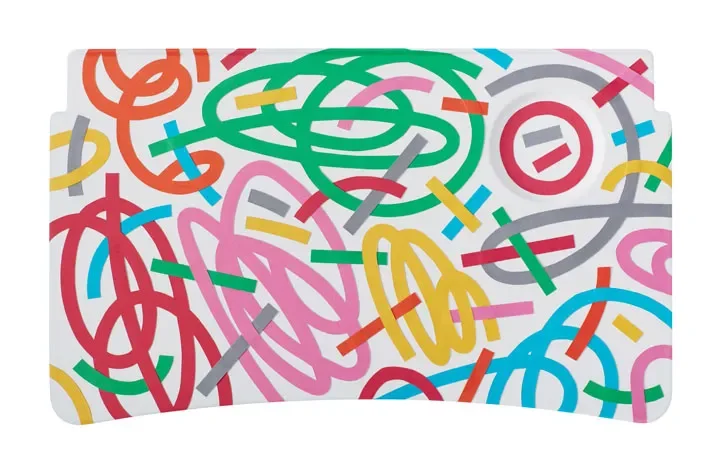
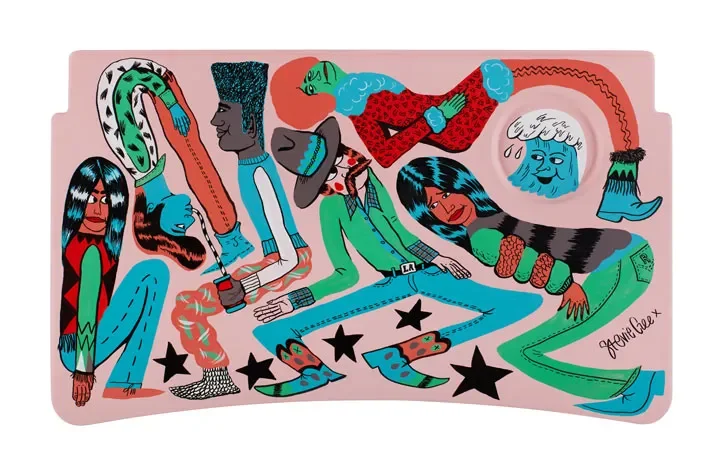
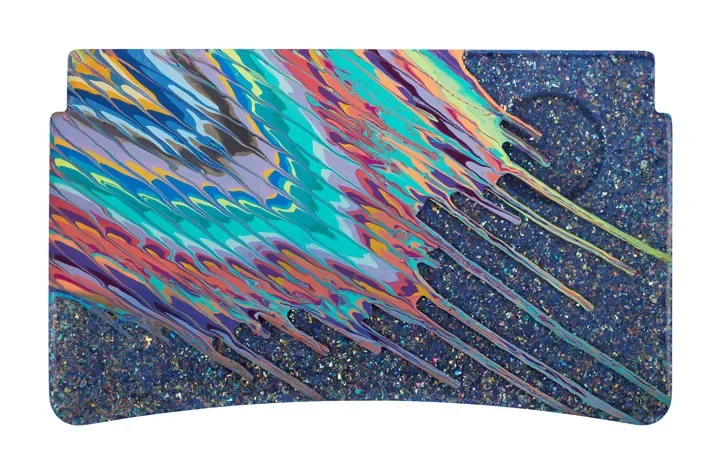
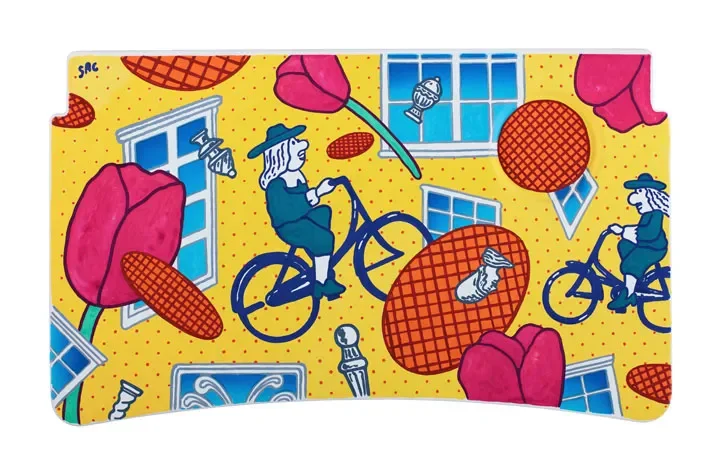
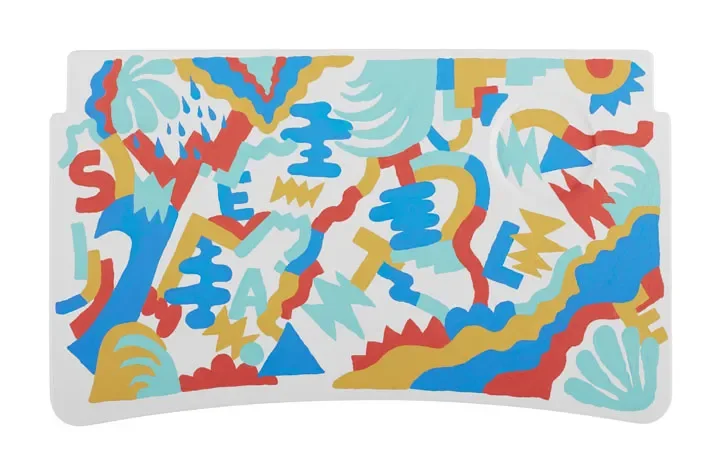
Alison Berk (https://www.helloaliberk.com/delta-airlines-tray-art-project) oversaw the activation and production process. She worked between the agency, brand partners and artists to guide the project from briefing through fabrication and installation.
From Airplane Seat to Airport Hall
On board, the trays offered a sequence of scenes that passengers encountered without searching for them. The surface became a point of contact with cities represented through simple marks and measured compositions.
The full series later appeared at Hartsfield–Jackson Atlanta International Airport (https://www.atl.com). The move from cabin hardware to a public exhibition showed how well the project held its structure across different scales.
The Tray Art Project treated illustration as part of the travel experience.
Each work kept close to observation and turned a standard tray into a small window onto another place.